Green Drake Hatch 2026: 7 Best Rivers, Timing & Fly Patterns
When and where to fish the hatch that pulls trophy fish to the surface
Greg Lamp
January 2, 2026
9 min read
The Green Drake hatch is the event that fly anglers mark on their calendars months in advance. These large mayflies, roughly half an inch long, bring every trout in the river to the surface, including fish that normally refuse to move for anything less than a mouse pattern.
The hatch typically lasts about a week in most places, but during those few days, you'll see more rising fish than any other time of year. The trick is being on the right water at the right time.
I learned this the hard way on the Frying Pan a few years back. Showed up on a Tuesday in late August, sure I'd timed it perfectly based on the previous year's reports. The hatch had peaked the week before. I spent two days fishing to sporadic risers while locals told me stories about the circus I'd missed. Now I start watching flows and reports three weeks out, and I keep my schedule flexible enough to move when conditions line up.
Why Green Drakes Matter
Green Drakes are among the largest mayflies in North America. In the East, Ephemera guttulata can reach nearly half an inch, while Western Green Drakes (Drunella grandis) run slightly smaller but are still substantial enough to pull big browns from undercut banks.
The emergence itself is unique. Unlike most mayflies that pop through the surface film, Green Drakes unfold their wings 6-12 inches below the surface and push through. This makes them vulnerable for a longer period, which is why cripple patterns often outfish standard dun imitations.
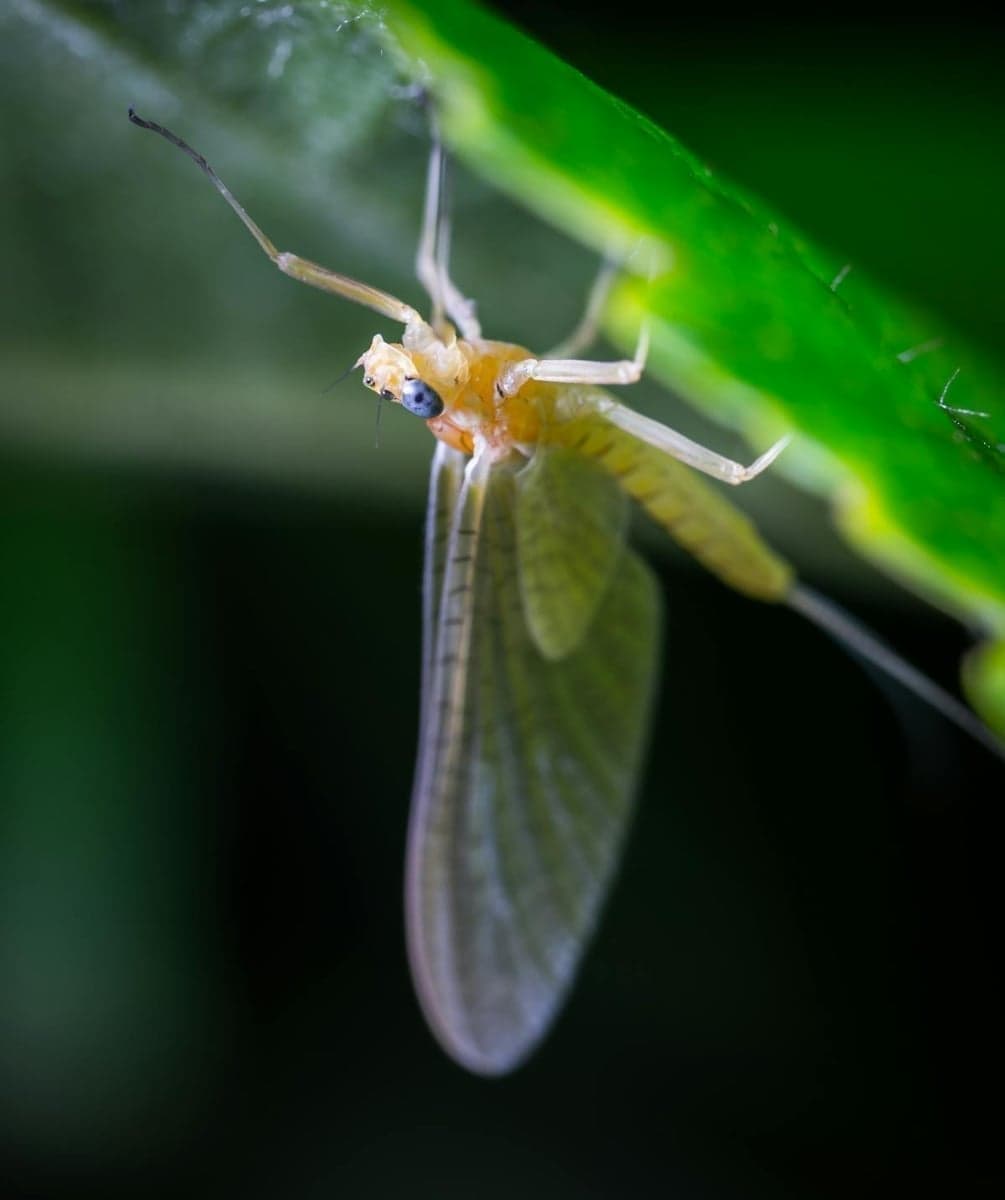
Green Drakes are large enough to bring up fish that ignore smaller mayflies all season
Eastern Rivers: Late May to Mid-June
Penns Creek, Pennsylvania
If there's a single stream synonymous with the Eastern Green Drake, it's Penns Creek. The hatch here is considered one of the largest in the world, typically peaking around Memorial Day weekend.
The catch-and-release section from Coburn to Cherry Run holds wild browns in the 14-18 inch range, with fish over 20 inches mixed in. Access requires hiking (there's limited vehicle access), but the effort pays off.
Timing: Late May, usually around Memorial Day Best flies: Size 10-12 Green Drake duns, Coffin Fly spinners for evening Pro tip: The spinner fall at dusk can be more productive than the afternoon hatch. Coffin Flies (the spinner stage) are black and white and look like a completely different insect.
Delaware River System (New York)
The West Branch of the Delaware typically sees Green Drakes emerge around May 20-23 on the lower stretches, then the hatch moves upstream toward Deposit and the upper East Branch through mid-June.
Timing: May 20 through mid-June, moving upstream Best flies: Extended body patterns in size 10, emergers for picky fish
Western Rivers: Late June Through August
The West offers longer and more varied Green Drake seasons. While Eastern drakes hatch in a concentrated burst, Western rivers can produce fish-catching action from late June well into fall on certain tailwaters.
Henry's Fork, Idaho (The Railroad Ranch)
The Henry's Fork Foundation calls the Railroad Ranch section "the Shrine of the Green Drake." Harriman State Park opens June 15, and the drake hatch typically starts within days of opening.
This water demands everything you've got. The large, wild rainbows here are famously selective, and the flat currents show every flaw in your presentation. Overcast, humid days extend the hatch and improve your odds significantly.
Timing: Opens June 15, peak hatch usually third week of June Best flies: Size 10-12 emergers, cripples, and parachute patterns Ideal flows: 800-1,200 CFS in the Ranch section Pro tip: The hatch often lasts only an hour or so on sunny days. Cloudy weather can extend it considerably.
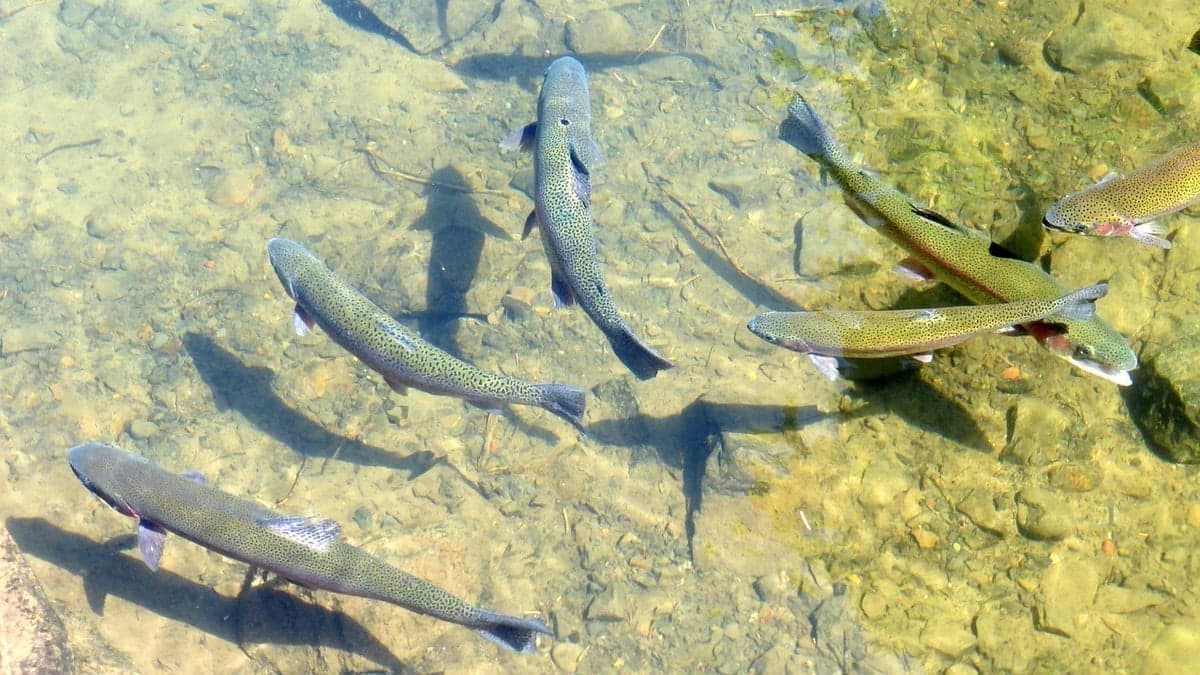
Big trout that normally stay hidden will move into feeding lanes during the Green Drake hatch
Roaring Fork and Frying Pan Rivers, Colorado
Colorado's Western Slope offers some of the longest-running Green Drake hatches anywhere. The Roaring Fork and Frying Pan can produce drakes from late June through July, with upper reaches extending into August.
The Frying Pan is particularly notable. The hatch here often runs into September and October, sometimes lasting until Halloween. This is exceptional for a drake hatch and worth planning around. For the Pan, you want flows between 90-150 CFS for ideal wade fishing during the hatch. The Roaring Fork fishes well for drakes at 400-900 CFS, low enough to wade the edges but with enough push to concentrate fish in predictable lies.
Timing: Late June through July (August-October on the Frying Pan) Best flies: Green Drake Cripple, Sparkle Dun, sizes 10-12 Ideal flows: Frying Pan 90-150 CFS; Roaring Fork 400-900 CFS Pro tip: These drakes hatch out of faster water than you might expect. Keep your flies high and visible.
Madison River, Montana
The upper Madison near Ennis has the most prolific Green Drake hatch in Southwest Montana. The rocky bottom and endless riffles between Raynold's Pass and Storey Ditch create ideal habitat.
Timing: Late June into July Best flies: Large parachute patterns, emergers Flow consideration: The Yellowstone comes into shape as flows drop below 8,000 CFS. Drakes, salmonflies, and golden stones often overlap. Check Montana flows before heading out.
Gunnison River and Taylor Canyon, Colorado
The Gunnison area sees drakes work their way upstream from Blue Mesa Reservoir through the canyon to the catch-and-release section below Taylor Reservoir. Hatches run mid-June through July.
Timing: Mid-June through July Best flies: Standard drake patterns, emergers in the tailwater section
Fly Selection: What Actually Works
Green Drakes demand a more complete fly box than most hatches. You'll want:
Nymphs (sizes 10-12):
- Twenty Incher
- Chartreuse Copper John
- Green Drake nymph patterns
Emergers and cripples (sizes 10-12):
- CDC Green Drake Emerger
- Green Drake Cripple (the most important pattern)
- Film Critic Drake
Duns (sizes 10-12):
- Parachute Green Drake
- Sparkle Dun
- Comparadun
Spinners:
- Coffin Fly (Eastern)
- Clear Wing Spinner
The cripple deserves special attention. Because drakes emerge underwater and push through the film as duns, many get stuck partway through the process. Trout learn to key on these helpless insects, and a cripple fished in the film often outproduces a perfectly floating dun.
Tactics That Actually Work
Use heavier tippet than normal. Size 10-12 flies and potentially large fish justify 2X or 3X tippet rather than the lighter stuff you'd use for PMDs.
Short drifts, not long. These fish scrutinize every bug. If they see your fly line or the butt section of your leader, they're done. Downstream presentations often work better than upstream casting.
Add a little movement. Unlike delicate mayfly presentations, a subtle twitch can trigger strikes on drake patterns. The natural bugs struggle on the surface, so a little action looks realistic.
Watch the water, not just rising fish. Green Drakes often hatch from faster, broken water. Don't assume fish are only rising in the obvious pools.
Planning Your Trip
The key to hitting the Green Drake hatch is flexibility. Weather affects timing significantly—cold springs delay emergence, and unseasonably warm weather can push it earlier.
Start monitoring flows and local reports about two weeks before expected hatch dates. Fly shops in destination areas are your best source for current conditions:
- Penns Creek: TCO Fly Shop posts regular updates
- Henry's Fork: Multiple outfitters track daily conditions during prime season
- Colorado rivers: Vail Valley Anglers covers Roaring Fork and Frying Pan extensively
You can also track flows directly on Colorado rivers, Montana rivers, and Idaho rivers—and add them to your favorites to get alerts when conditions line up with your target window.
Quick Reference: When to Go Where
| River | Location | Timing | Peak | Ideal CFS |
|---|---|---|---|---|
| Penns Creek | Pennsylvania | Late May–early June | Memorial Day weekend | 200-400 |
| Delaware (West Branch) | New York | May 20–mid-June | Late May | 300-600 |
| Henry's Fork | Idaho | June 15–July | Third week of June | 800-1,200 |
| Roaring Fork | Colorado | Late June–July | Early July | 400-900 |
| Frying Pan | Colorado | Late June–October | August–September | 90-150 |
| Madison | Montana | Late June–July | Late June | 1,200-2,000 |
| Gunnison | Colorado | Mid-June–July | Late June | 300-600 |
The Green Drake hatch rewards preparation and timing more than most fishing situations. Get on the right water at the right time, carry the right flies, and you'll experience some of the best dry fly fishing of the year.
Ready to plan your trip? Save these rivers to your favorites and set flow alerts for your target CFS ranges. When the numbers line up with the calendar, you'll know it's time to clear your schedule and hit the road.
Frequently Asked Questions
What is a green drake hatch?
Green drakes are large mayflies (size 10-12) that hatch from late May through July depending on elevation. They bring the biggest trout to the surface because of their size, one of the most anticipated dry fly events of the year.
What time of year do green drakes hatch?
Eastern green drakes (Penns Creek, Catskills) hatch late May through mid-June. Western green drakes start mid-June at lower elevations and continue into late July at higher elevations on rivers like the Henry's Fork and Gunnison.
What triggers a green drake hatch?
Water temperature is the primary trigger. Drakes emerge when water temps reach the mid-50s°F. A stretch of warm weather followed by a clear evening typically produces the heaviest emergences. Track river flows and temperatures on RiverReports to time your trip.
Get River Intel Weekly
Flow updates and fishing intel delivered every Thursday.
River Intel Weekly
Weekly flow updates and fishing intel.
© 2026 RiverReports, Inc.