
Junk Flies: The Controversial Patterns That Just Keep Catching Fish
Mop flies, squirmy worms, and egg patterns—why they work, why they're hated, and when you should use them
Greg Lamp
December 19, 2025
13 min read
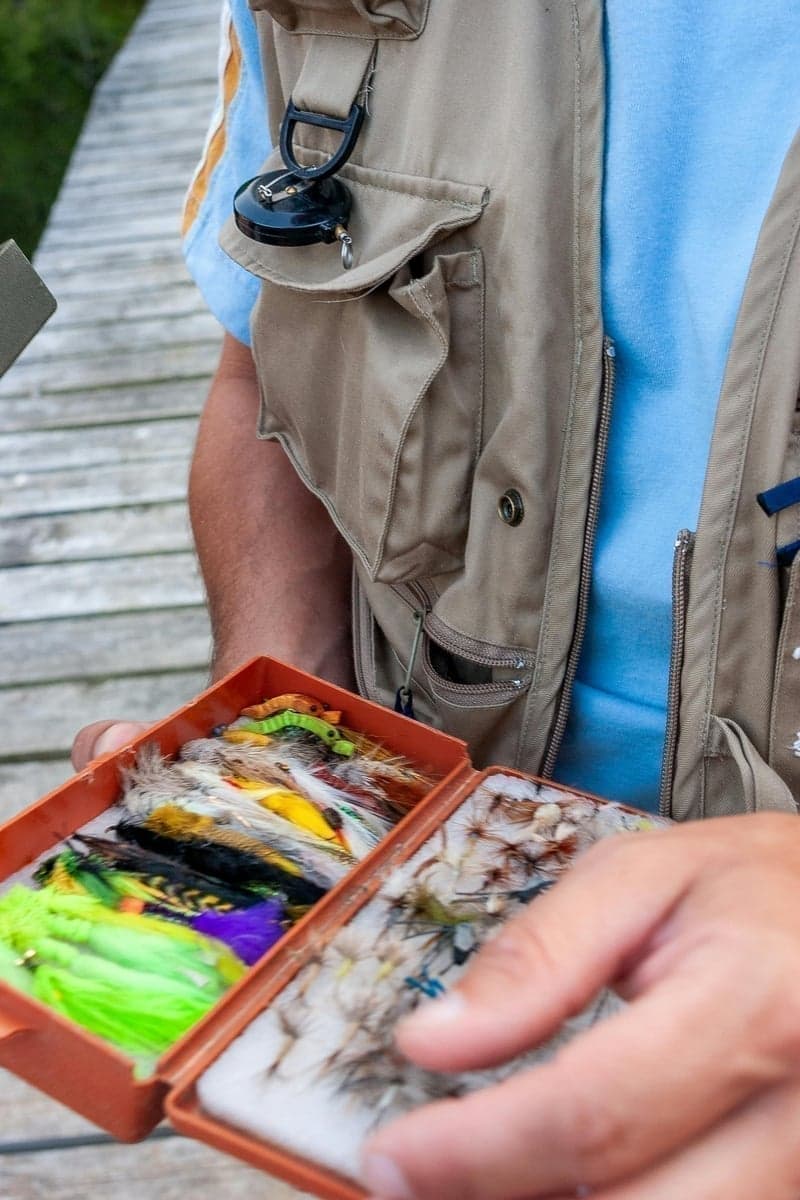
Junk flies might not win beauty contests, but they catch fish when everything else fails
TLDR
Junk flies (mop flies, squirmy worms, egg patterns, and beads) are flies that purists hate and guides quietly rely on. They're made from synthetic materials like mop strings and silicone worms rather than traditional fur and feathers. They don't imitate anything specific, yet they catch fish with embarrassing consistency.
The controversy is mostly about tradition, not effectiveness. Some competitions have banned them. Some anglers refuse to tie them on. But if you fish technical tailwaters like Cheesman Canyon or the Henry's Fork with a hot pink squirmy worm, you'll often outfish the guy with a perfect size 20 PMD emerger.
Egg patterns and beads bring their own ethical considerations. They're devastatingly effective during spawning runs because they exploit hen trout's cannibalistic instincts. But catching and handling spawning hens can cause them to abort their eggs, harming wild trout populations. If you fish eggs (especially beads) during the spawn, do so thoughtfully and with extreme care.
Every angler has to decide where to draw their own ethical line. Just know that the fish don't care about the debate.
What Are "Junk Flies"?
The term "junk fly" gets thrown around to describe patterns that challenge traditional fly fishing aesthetics. According to fly fishing forums and regional discussions, these typically include:
Mop flies – Literally clippings from car wash mops, tied with a bead head and maybe a pinch of dubbing. They vaguely resemble caddis larvae or cased caddis, but mostly they just look like neon strands of chenille.
Squirmy worms – Silicone rubber worm bodies with wiggling legs that undulate in the current. Originally developed for competition fishing, they became controversial precisely because they worked too well.
Egg patterns – Yarn balls, glo bugs, or rubber eggs that imitate salmon or trout eggs. Some guides once called them "cheating" or "not a fly", despite eggs being natural trout food.
Beads – Plastic or glass beads pegged above the hook to imitate eggs. While technically a type of egg pattern, most anglers don't consider beads to be flies at all. They're just beads. But that doesn't mean they can't be fished on fly rods. Especially popular in Alaska and Great Lakes steelhead fishing, they ride in the current naturally and are nearly impossible for trout to resist during spawning runs. This effectiveness brings its own ethical considerations, which we'll discuss below.
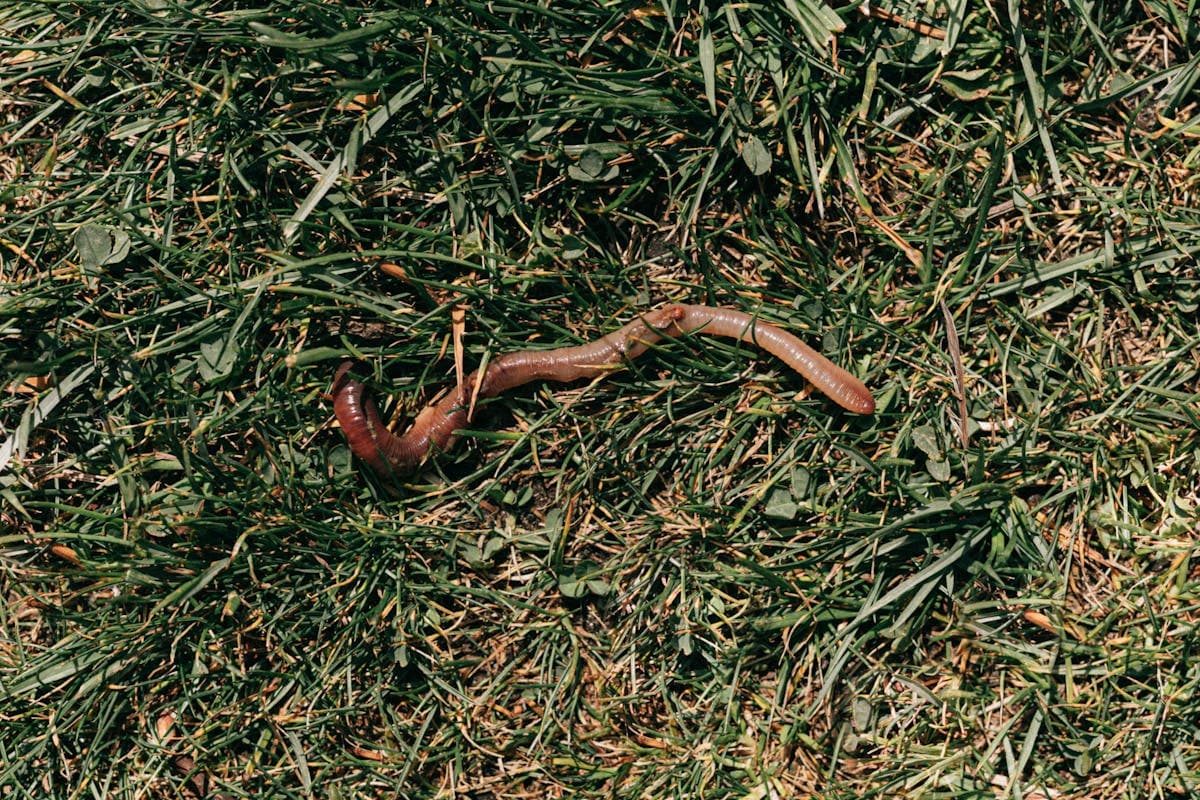
The humble earthworm—squirmy worms and San Juan worms imitate what trout naturally eat when rains wash these into rivers
Why They're Controversial
The debate over junk flies isn't really about the flies themselves. It's about what fly fishing means to different people.
The Purist Argument
Traditionalists argue that fly fishing has always been about imitation and presentation. Dry-fly purists believe the sport reaches its highest form when you're matching a specific hatch with a carefully tied imitation, presented delicately to a rising trout.
From this perspective, junk flies violate several principles:
Too easy to tie – A mop fly takes 30 seconds. An intricate PMD spinner takes 45 minutes. Some experienced tiers find this irksome.
Don't imitate anything specific – While eggs are natural food, hot pink squirmy worms don't match any real organism trout encounter. Critics call them glorified lures.
Too effective – The Squirmy Wormy has been banned in Czech fly fishing competitions and world championships because it was deemed "unethical" and "not sportsmanlike." When a fly is so effective it disrupts competitive balance, that bothers some people.
The Pragmatist Response
Guides, competition anglers, and pragmatic fly fishers push back:
Fish don't read the rules – Trout in Cheesman Canyon see thousands of "proper" flies every week. Sometimes a mop fly or egg pattern works precisely because it's different.
Many "junk flies" actually match natural food – Egg patterns during spawning season are literally matching the hatch. Squirmy worms imitate aquatic worms, crane fly larvae, and other wiggly things trout eat.
The controversy is about signaling, not ethics – Trout Unlimited articles point out that hating the "wrong" flies has become a way for some anglers to feel superior to others. The criticism toward anglers who adapt and figure out how to catch fish "seems a bit much."
Effectiveness isn't unethical – As one writer put it, "a lot of the most hated trout flies on the market are actually matching natural hatches". The real issue is aesthetic.
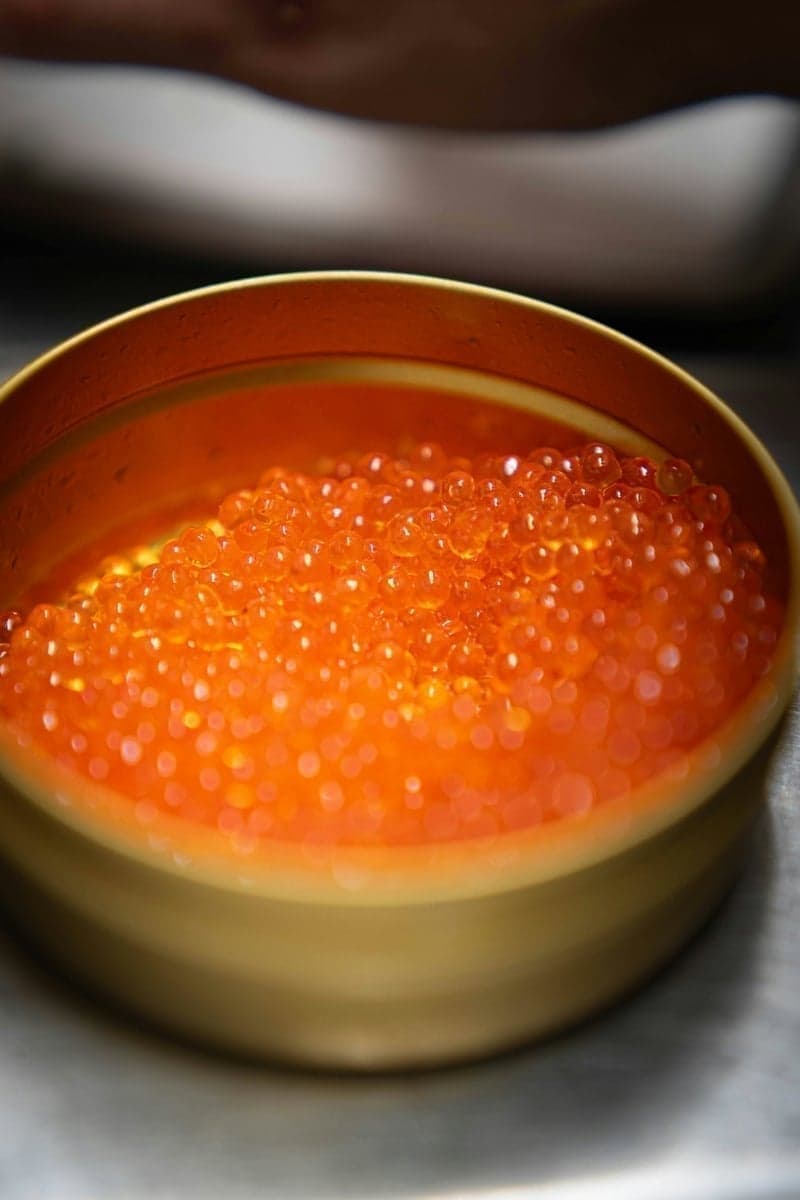
Real salmon eggs—egg patterns imitate natural food that trout gorge on during spawning runs
When Junk Flies Are Deadly Effective
Forget the philosophy for a moment. Here's when these patterns actually work:
High or Dirty Water
Mop flies excel in high or stained water where their bright colors (chartreuse, hot pink) and large profile stand out. When visibility is low, trout key on something they can actually see.
Squirmy worms work particularly well after rains when terrestrial worms wash into rivers. This is actually matching natural food availability.
Best colors for dirty water: Fluorescent green, hot pink, chartreuse Best colors for clear water: Natural brown, purple, red
Low, Clear, Pressured Water
Counterintuitively, mop flies also work in low, clear water when drifted tight to undercut banks, rocks, and logs. Fish hiding in heavy cover may ignore tiny nymphs but come out for something substantial.
On heavily fished tailwaters where trout see thousands of pheasant tails and prince nymphs, a squirmy worm or mop fly can be a deadly change-up.
Spawning Seasons (And the Ethics That Come With Them)
This is where egg patterns and beads shine. During fall salmon or trout spawning runs, eggs become the primary food source for downstream trout.
Alaska fly fishing guides use beads pegged 2-3 inches above the hook to perfectly imitate drifting salmon eggs. The fish swallows the bead, the hook slides up, and you get a clean hookup without gut-hooking.
Great Lakes steelhead guides consider beads essential during steelhead and salmon runs. Michigan anglers on the Manistee River often fish two beads at once to dial in the right size and color faster.
Bead sizing guide:
- Sockeye eggs ≈ 6mm
- Pink/Coho salmon eggs ≈ 8mm
- King/Chum salmon eggs ≈ 10mm
Best colors: Match the egg color you see in the river. Chartreuse, orange, and peach for stained water. Natural cream or washed-out pink for clear flows.
The Uncomfortable Truth About Egg Fishing
Egg patterns work during spawning runs because of a dark ecological reality: hen trout are cannibals. When eggs drift downstream, whether from disturbance, predation, or failed fertilization, female trout aggressively eat them. This behavior is believed to be an evolutionary strategy. By consuming other eggs, hens give their own offspring a better chance of survival by eliminating competition for food and habitat.
This cannibalistic instinct is precisely why fishing egg patterns near actively spawning fish can be so devastatingly effective. And it's also why it's deeply controversial.
Here's what many anglers don't realize: when you take a hen trout out of the water during spawning season, she will often abort her eggs. Her body assumes she's about to die, triggering a stress response that releases her eggs prematurely. Those eggs won't be fertilized. They won't contribute to the next generation. Every hen you catch and handle during the spawn is a potential lost year-class for that fishery.
This is especially true with beads. Because they're not technically flies and they so perfectly imitate natural eggs, they can be almost impossible for spawning trout to resist. Fishing beads on or near redds (spawning beds) is extremely effective, and extremely harmful to wild trout populations.
If you're going to fish egg patterns during spawning runs, be thoughtful:
- Avoid fishing directly on or near redds. Give spawning fish space. Fish downstream where non-spawning trout are feeding on drifting eggs.
- Move on quickly. Don't work the same spawning area repeatedly. Get your fish and go.
- Handle fish with extreme care. Keep hens in the water if possible. Minimize fight time. Barbless hooks are essential.
- Consider sitting it out. Some of the best anglers simply don't fish during peak spawn. They know there will be plenty of opportunities once the fish have finished reproducing.
- If you fish beads, be especially careful. Their effectiveness is both a blessing and a curse. Use that power responsibly.
The fact that egg patterns work so well during spawning season isn't a secret. Trout are biologically programmed to eat eggs. But just because you can catch fish doesn't mean you should, at least not without serious thought about the consequences.
Year-Round Wildcard
Here's what surprised researchers and guides: squirmy worms catch fish even when earthworms aren't present. They work in winter. They work in alpine streams. The undulating silicone triggers strikes from trout that haven't seen a real worm in months.
The effectiveness fades as more anglers use them. After 2-3 years as everyone's "super fly," the magic diminishes, but they still produce.
How to Fish Them
Basic Nymphing Setup
Dead drift under an indicator – Treat these like any other nymph. The goal is a natural drift at the same speed as the current. Trout find the natural presentation irresistible.
Tight-line nymphing – Works particularly well for mop flies and eggs in pocket water. Maintain contact with the fly and watch for subtle strikes.
Dropper rigs – Use the squirmy worm as the dropper, not the top fly, since the floppy silicone can twist and tangle. Pair with a weighted stonefly or attractor pattern up top.
Weighting
Mop flies and squirmy worms are bulky and get hung up in the water column. Tie them with bead heads, pair with heavily weighted nymphs, or add split shot to get them down to the feeding zone quickly.
Adding Action (Optional)
While most fish these on a dead drift, you can experiment:
In rivers – If dead drift isn't working, lift and lower your rod tip to add wiggle.
In stillwater – Fish squirmy worms like a lure. Cast, let it sink, retrieve in small twitches to animate the legs.
Beads
Beads require different rigging. The bead is pegged on the leader 2-3 inches above the hook using a toothpick or rubber stopper. When the trout inhales the bead, the hook slides up and catches the fish in or near the mouth, not gut-hooked.
This setup is legal in most states as long as the bead is within 2 inches of the hook. Check your local regulations, as some competitions and fly-only waters have banned beads.
Great Lakes presentation: Suspend the bead under a float, positioning it 1-2 feet off the bottom in the prime strike zone.
Alaska presentation: Free-drift under an indicator or tight-line through seams behind spawning salmon.
The Durability Problem
One major drawback: junk flies don't last. While a San Juan Worm might catch dozens of fish, a squirmy worm often falls apart after a handful. The silicone legs tear. The mop strands fray.
Carry extras.
State Regulations and Competition Bans
Most states allow these patterns on public waters, but some restrictions exist:
Competitions: Czech fly fishing competitions and FIPS-Mouche world championships have banned the Squirmy Wormy. Other patterns like the Alexandra were historically banned for being "too successful."
Fly-only waters: Some private or regulated waters define "artificial fly" to exclude soft plastics or scented materials. Colorado defines artificial flies as devices made from materials like wood, plastic, feathers, or fiber that don't include scents or moldable attractants.
Bead regulations: Beads must typically be within 2 inches of the hook. Maine limits anglers to 3 unbaited artificial flies.
Always check local regulations before fishing.
Where to Draw Your Own Line
The ethics of fly fishing are personal. Some anglers fish dry flies exclusively. Others use whatever works, as long as it's legal and doesn't harm the fishery.
Here are a few principles to consider:
Match regulations, not opinions – If it's legal and you're practicing catch-and-release with barbless hooks, you're not harming the resource. The rest is personal choice.
Consider the context – There's a difference between using a squirmy worm on a crowded tailwater stocked with thousands of rainbows and fishing a backcountry creek with wild brookies. Adjust your approach to the setting.
Respect spawning seasons – This is where legal and ethical diverge. Egg patterns and beads during spawning runs are legal in most places, but that doesn't make them consequence-free. Wild trout populations depend on successful spawns. If you fish eggs during this critical period, fish downstream of redds, handle fish with extreme care, and consider whether that 15-inch brown is worth potentially impacting an entire year-class of fish.
Avoid snagging – Whether fishing beads or weighted nymphs, keep the hook close enough to avoid foul-hooking fish. This is about fishing ethically, not gaming the system.
Fish your own game – Don't let purists shame you into fishing flies you don't want to use. And don't ridicule others for their choices. As Trout Unlimited noted, the criticism toward anglers who adapt and catch fish often says more about the critic than the angler. But also recognize that effectiveness comes with responsibility, especially when fishing patterns like beads that exploit biological imperatives trout can't resist.
The Bottom Line
Junk flies are controversial because they work. They're simple, often ugly, and undeniably effective. Orvis sells them, acknowledging they might be "slightly embarrassing to tie on" but describing them as "very fun, simple and effective."
You'll find mop flies and egg patterns in the boxes of guides on the South Platte, the Madison, and the Henrys Fork. You'll see beads on every Alaska lodge's fly bench. And you'll hear endless debates in fly shops about whether they "count."
But the fish don't debate. They just eat.
Whether you choose to tie them on is up to you.
Frequently Asked Questions
Why is the squirmy wormy banned?
The squirmy wormy is banned on certain competition waters and some catch-and-release stretches because it uses synthetic silicone rather than traditional fly tying materials. Some fly fishing organizations don't classify it as a "fly" under their rules. Most public waters in the US allow squirmy worms. Always check local regulations before fishing.
Do squirmy wormy flies work?
Yes, squirmy worms are one of the most effective subsurface patterns in fly fishing. Trout opportunistically feed on aquatic worms (annelids) year-round, especially during high water or rain events when worms wash into the drift. The movement of the silicone material triggers aggressive strikes even from pressured fish.
How do you fish a squirmy wormy fly?
Fish a squirmy wormy as a dropper under a dry fly or indicator, dead-drifted along the bottom in runs and seams. Use enough weight to keep it in the strike zone, typically within 6 inches of the substrate. Sizes 10-14 in pink, red, or tan work in most conditions. It's especially effective during high or off-color water when trout rely more on movement than silhouette.
Want to know when flows are ideal for nymphing with your favorite flies, junk or otherwise? Track real-time CFS data on hundreds of rivers at RiverReports.
Get River Intel Weekly
Flow updates and fishing intel delivered every Thursday.
River Intel Weekly
Weekly flow updates and fishing intel.
© 2026 RiverReports, Inc.