
Freestone vs Tailwater Fly Fishing: Reading Water & Tactics
Same river, different rules - learn to spot fish in both
Mike Stevens
October 18, 2025
8 min read
Not all rivers are created equal. You can nail your water reading skills on one type of river and still struggle when you switch to another. That's because freestone and tailwater rivers play by completely different rules.
By the end of this guide, you'll understand how to read both types of water and adjust your approach based on what's flowing past your waders.
What Makes Freestone and Tailwater Rivers Different
Freestone rivers flow freely from snowmelt, rain, and natural runoff. Think of classic mountain streams that rise and fall with the seasons. The Roaring Fork in Colorado, Rock Creek in Montana, or any wilderness stream fed by snowpack.
Tailwater rivers flow out of dams, where releases control both flow and temperature. These are your South Platte below Cheesman, the San Juan in New Mexico, or the White River in Arkansas. The dam acts like a thermostat and faucet combined.
This fundamental difference affects everything: water clarity, temperature, insect life, and where fish hold.
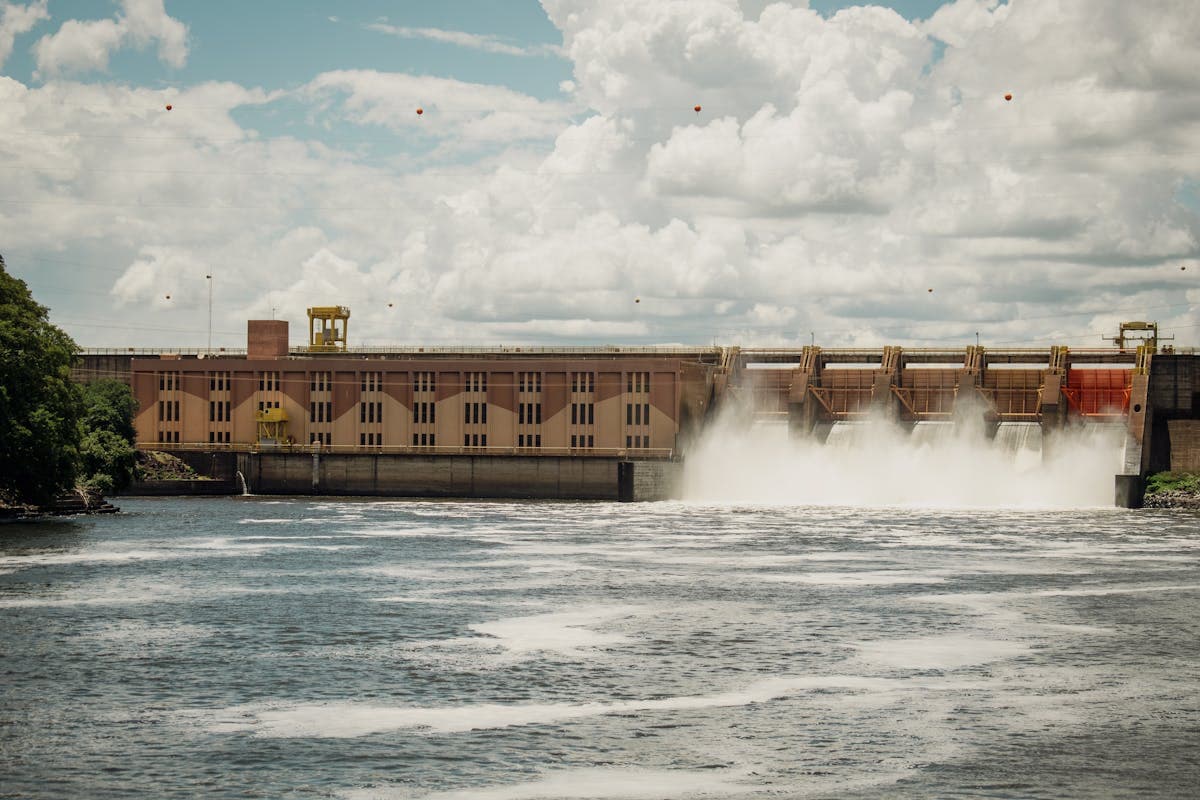
A dam controls tailwater flows and temperatures year-round
Reading Freestone Water: Go With the Flow
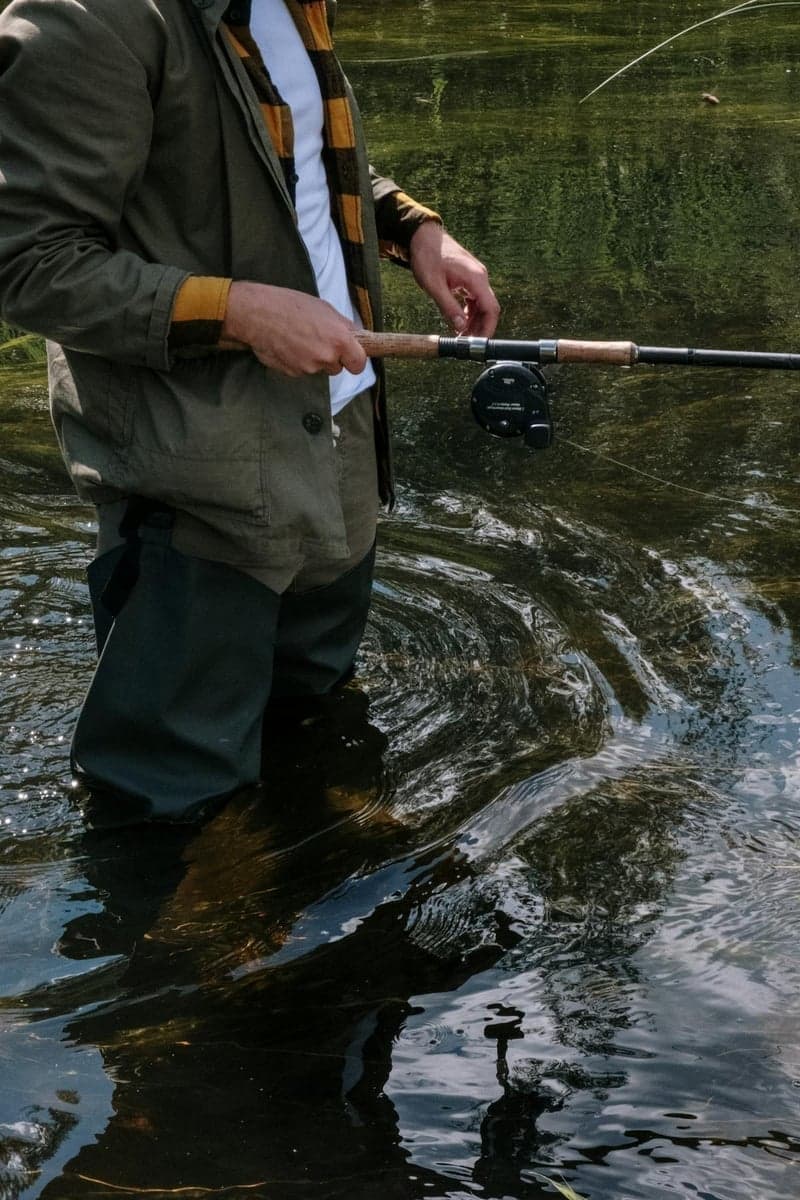
Reading freestone water means scanning for structure, seams, and pocket water where fish hold
Freestone rivers change constantly. A warm spring day can send snowmelt pouring down, raising levels and muddying the water in hours. I've seen Rock Creek in Montana jump from 400 CFS to over 1,200 CFS in a single afternoon when temperatures spiked. This creates specific patterns in where fish hold and how they feed.
Look for Structure and Breaks
Freestone trout are opportunistic feeders. They'll hold in places where they can rest out of the current but stay close to the food conveyor belt. Focus on:
- Boulder pockets - The cushion in front of and behind large rocks
- Bank seams - Where fast water meets slow along the edges
- Eddies - Swirling water that traps insects and foam
- Riffles and tailouts - Transition zones where the current slows
During higher flows, fish tuck even tighter to the banks and behind structure. They're not going to fight heavy current just to grab a mayfly.
Adjust for Clarity
Freestone water clarity changes fast. After a storm or during peak runoff, visibility drops. Fish can't see as well, but they also can't see you. This means:
- You can use bigger, bushier flies that push water
- Trout are less picky about presentation
- You can get closer without spooking them
- Focus on aggressive attractor patterns over exact imitations
When water's clear, especially late summer, freestone fish are still less selective than tailwater trout. But you'll need to be more careful about drag and your approach.
Read the Season
Early season (April-May in Colorado): High, fast, off-color water. The Arkansas near Salida might be pushing 1,500-3,000 CFS, while smaller streams like the Big Thompson run 300-800 CFS. Fish the banks and slow seams.
Mid-season (June-July): Dropping flows, better clarity. Flows settle into the 400-1,200 CFS range on bigger rivers. More aggressive feeding as insect hatches ramp up.
Late season (August-September): Low, clear water. Many freestones drop to 150-400 CFS, crystal clear and technical. Terrestrials become key. Fish get pickier but are still more forgiving than tailwater trout.
Reading Tailwater Water: Consistency is King
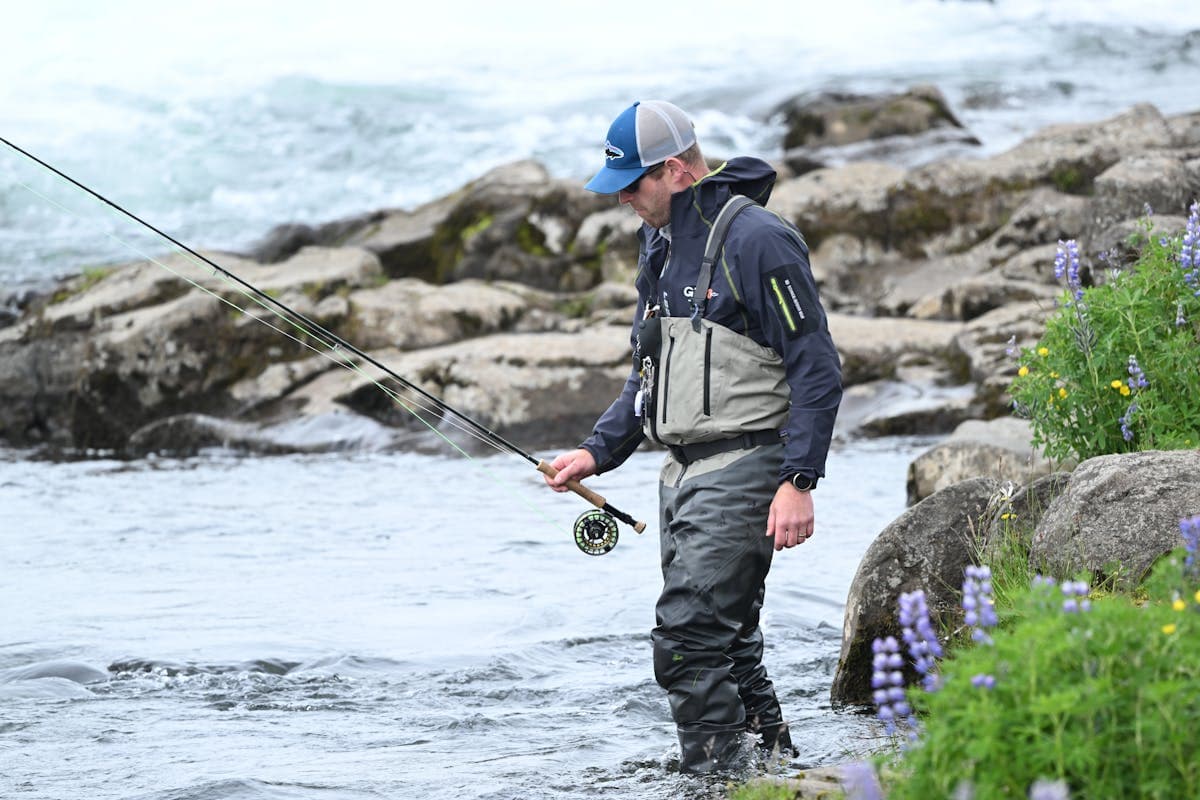
Tailwater clarity demands stealth and precision - study the water before you cast
Tailwaters maintain stable temperatures and relatively predictable flows year-round. The South Platte below Cheesman holds steady at 80-150 CFS most of the year, while the San Juan in New Mexico flows consistently at 450-500 CFS. Water coming out of the dam is cold and clear. This creates a different set of rules.
Crystal Clear Means Crystal Careful
Tailwater clarity is a double-edged sword. Fish can see every detail of your fly, but you can also see them. Common tailwater tactics:
- Use fluorocarbon tippet (6X or lighter is common)
- Focus on realistic fly patterns that match the hatch
- Perfect your drag-free drift
- Stay low and approach carefully
I've watched tailwater trout inspect a fly for 10 seconds before refusing it. That rarely happens on freestone water.
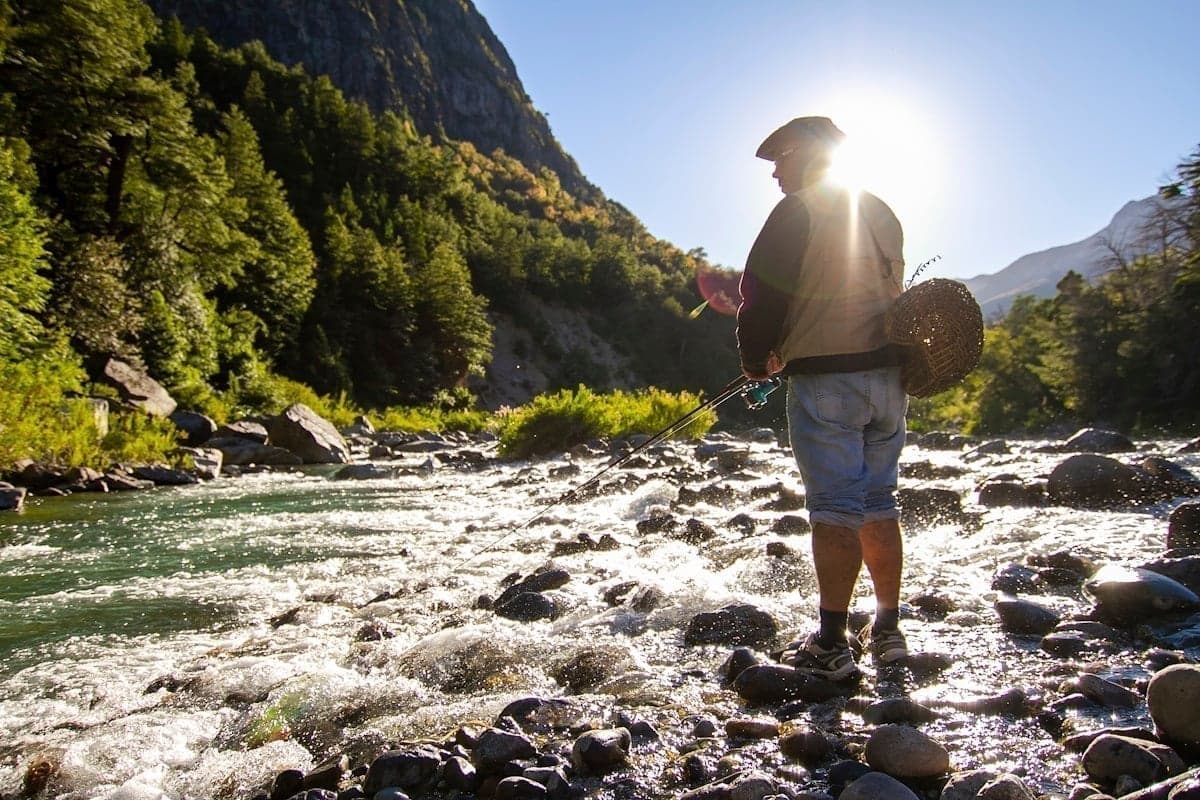
Freestone rivers run through mountain valleys with variable flows
Look for Consistency in Structure
Since tailwater flows don't fluctuate as wildly, fish can set up in prime lies and stay there. Look for:
- Feeding lanes - Consistent current seams where insects drift
- Depth transitions - Shelves and drop-offs that provide cover
- Weed beds - Tailwaters grow more aquatic vegetation due to stable temps
- Bubble lines - Surface foam lines that concentrate food
Unlike freestones where structure might only fish well at certain flows, tailwater structure produces consistently.
Match the Menu
Tailwater trout see the same insects day after day. Midges, BWOs, and caddis dominate most tailwaters. Because food is abundant and predictable, fish become selective.
During a tailwater midge hatch, you might need to match:
- The exact size (often 20-24)
- The right stage (pupa vs adult)
- The specific color
Freestone trout will often eat any dry fly that looks buggy and is roughly the right size. Tailwater trout? Not so much.
Watch for Generation Schedules
Unlike freestones that rise with snowmelt, tailwaters rise when the dam releases water. On rivers like the Frying Pan in Colorado or the San Juan in New Mexico, generation schedules dictate fishing.
I learned this the hard way on the Frying Pan when generation kicked in mid-morning. The river jumped from 120 CFS to over 400 CFS in 20 minutes, and every fish I'd been working disappeared. Check current flows before you go. Rising water on a tailwater can shut down fishing fast. Dropping water can turn it back on.
Adjusting Your Tactics
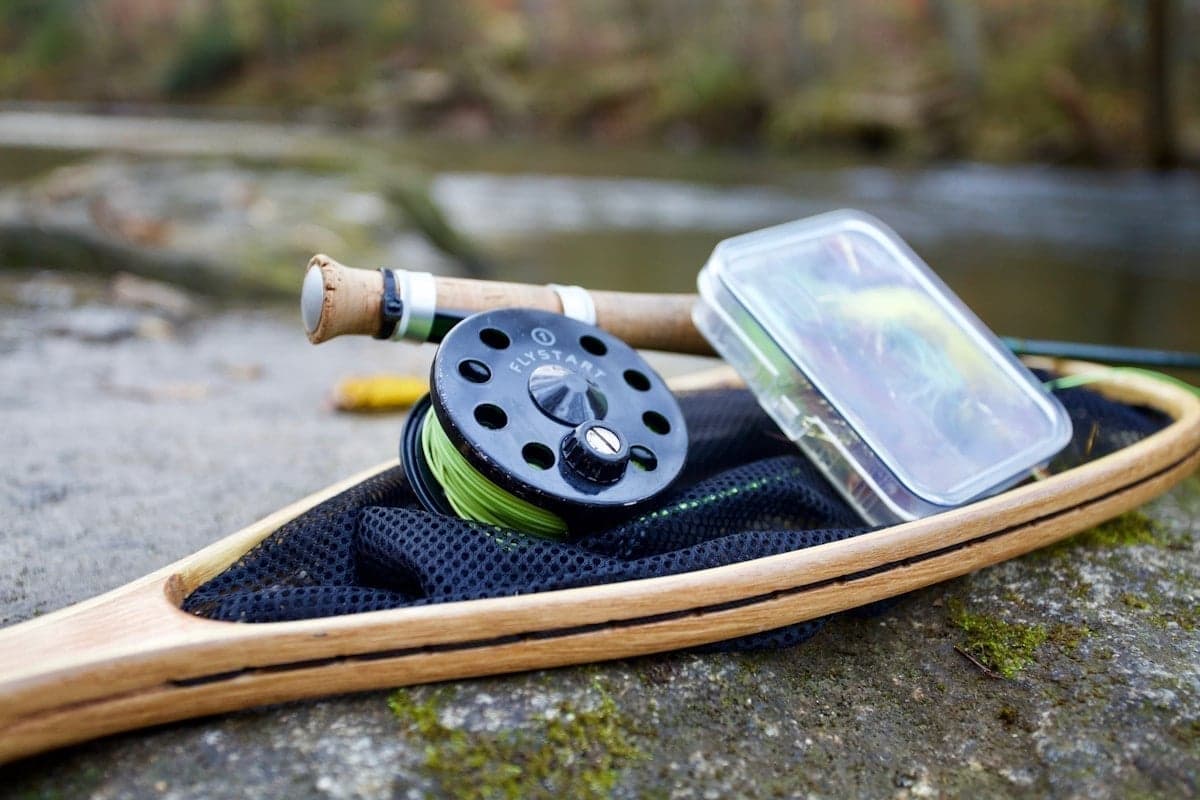
Different rivers require different tackle and techniques
Freestone Approach:
- Wade carefully, read water as you go
- Start with attractor patterns or general nymphs
- Cover water quickly - fish are spread out
- Don't worry too much about precise presentations
- Go bigger in off-color water
Tailwater Approach:
- Spot fish first, then plan your cast
- Match the hatch religiously
- Work specific fish methodically
- Perfect your presentation - drag kills you
- Go smaller and more realistic
What This Means for Planning Your Trip
Before you head out, know what type of water you're fishing. Check Colorado flows if you're targeting the South Platte vs the Big Thompson. They're 30 miles apart but fish completely differently. For detailed guidance on reading a classic Colorado freestone, check out our Arkansas River spring fishing guide.
Freestone rivers fish best during stable flow periods - not during peak runoff or extreme low water. Tailwaters fish well year-round but require checking generation schedules.
If you're new to fly fishing, freestone rivers are often more forgiving. Fish are less selective, and you'll catch trout while you're still learning. Tailwaters will make you a better angler but can be humbling.
Resources
Want to dive deeper into reading water? Check out these resources:
- Orvis: Tailwaters, Spring Creeks & Freestones
- Vail Valley Anglers: Tailwater vs. Freestone Rivers
- Missoulian Angler: Reading The Water
The best education comes from time on the water. Fish both types of rivers, pay attention to what works, and adjust. The South Platte will teach you patience and precision. Rock Creek will teach you to adapt and cover water. Both will make you a better angler.
Frequently Asked Questions
What is a freestone river?
A freestone river is a natural, free-flowing stream fed by snowmelt, rain, and natural runoff, not controlled by a dam. Freestone rivers rise and fall with the seasons, running high during spring runoff and low in late summer. Examples include Rock Creek in Montana, the Roaring Fork in Colorado, and most mountain streams.
What is considered a tailwater?
A tailwater is a river section that flows directly below a dam, where releases control both flow volume and water temperature. The dam acts as a thermostat, keeping water cold and consistent year-round. Famous tailwaters include the South Platte below Cheesman Canyon, the San Juan in New Mexico, and the White River in Arkansas.
What is the difference between fishing a freestone and a tailwater?
Freestone trout are generally less selective and respond well to attractor patterns and searching techniques, while tailwater trout see consistent, dense hatches and become highly selective. On freestones, focus on reading current seams and pocket water. On tailwaters, match the hatch precisely and use finer tippet. The fish have seen it all.
Get River Intel Weekly
Flow updates and fishing intel delivered every Thursday.
River Intel Weekly
Weekly flow updates and fishing intel.
© 2026 RiverReports, Inc.