Spring Fly Fishing Before Runoff Wrecks Everything
Where to fish from March through May, which hatches to chase, and how to stay on fish when freestones blow out
Greg Lamp
January 10, 2026
9 min read
TLDR
Spring fly fishing in the West is a race against snowmelt. Hit tailwaters when freestones blow out, chase Skwala stoneflies in March and April, and target the Mother's Day caddis hatch in May. The best bets: Montana's Missouri and Madison rivers, Colorado's South Platte and Arkansas, Wyoming's North Platte, and Idaho's Henry's Fork. Track real-time flows before you go.
The Spring Fishing Window
Last April, I drove four hours to fish the Roaring Fork only to find it running at 2,400 CFS, basically unfishable chocolate milk. I'd checked flows the night before, but a warm front pushed temps into the 70s and triggered early runoff. Lesson learned: spring fishing in the Rockies can turn on you fast.
That trip wasn't a total loss. I pivoted to the Frying Pan tailwater 30 minutes away, found clear water at 280 CFS, and spent the afternoon hooking 16-inch rainbows on BWO emergers. The freestone anglers who didn't have a backup plan? They went home.
Spring fishing rewards flexibility. Most Western rivers fish well from late February through mid-May, depending on elevation and snowpack. Then runoff hits—usually early to mid-May—and many rivers become unfishable for 4-6 weeks. The key is knowing which rivers stay fishable and having a plan B ready.
Tailwaters are your insurance policy. While freestones rage with snowmelt, dam-controlled rivers offer clear water, consistent flows, and reliable hatches. Spring is tailwater season, and the anglers who understand that catch fish while everyone else complains about runoff.
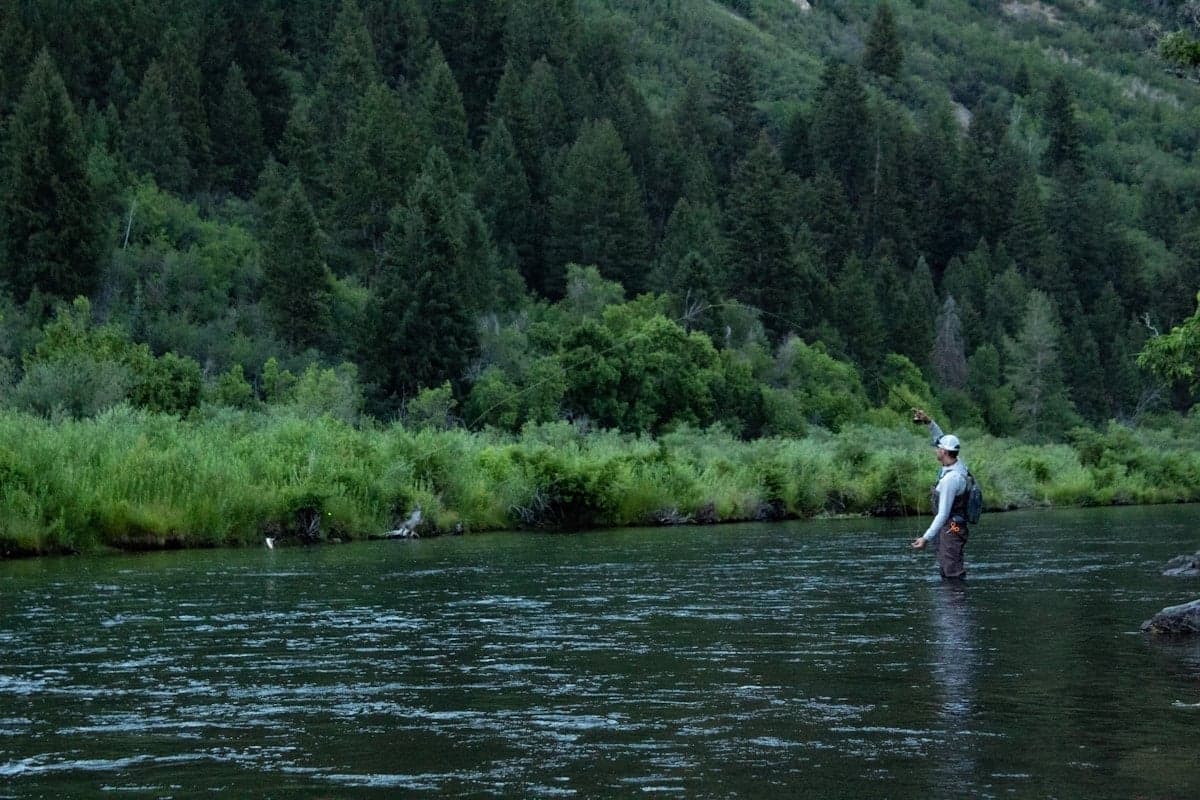
Spring fishing often means having the river to yourself - crowds won't show up until summer
Montana: Early Season Paradise
Montana's fishing season opens March 1st, and the early weeks offer some of the best fishing of the year. Trout are hungry after winter, rivers are low and clear, and you'll have the water to yourself.
Missouri River (Craig to Cascade)
The Missouri below Holter Dam is Montana's most consistent spring fishery. Flows stay stable around 4,000-5,000 CFS year-round, and the water clarity rarely drops below fishable. Expect midge hatches in March, BWOs by mid-April, and caddis by late April.
The 2025 snowpack in Southwest Montana is hovering around long-term averages, which means a normal runoff window. That's good news for spring fishing.
Fish the Missouri with size 18-20 midge patterns early season, then switch to size 16 BWO emergers as water temps climb. The average fish runs 16-18 inches, with plenty of 20-inch rainbows and browns mixed in.
Madison River (Ennis to Beartrap)
The upper Madison near Ennis fishes well in March and April. Pre-spawn rainbow trout stack up in the river, and Skwala stoneflies start hatching by mid-March when afternoon temps hit 50°F.
Skwalas are the first big bugs of the year, size 8-10 stoneflies that trout haven't seen for months. Fish them tight to the banks on sunny afternoons. The hatch is subtle (you won't see swarms of bugs), but opportunistic trout will rise for a well-presented dry.
The Lower Madison also produces the Mother's Day caddis hatch, typically starting the third week of April when daytime highs hit the 70s consistently. This is the first major dry fly event of the season.
Paradise Valley Spring Creeks
If weather turns cold or freestones start rising, the spring creeks near Livingston—Armstrong, DePuy, and Nelson—offer consistent fishing. These are fee fisheries ($100-150/day), but the water is clear and the fish are educated. Expect midges and BWOs through spring.
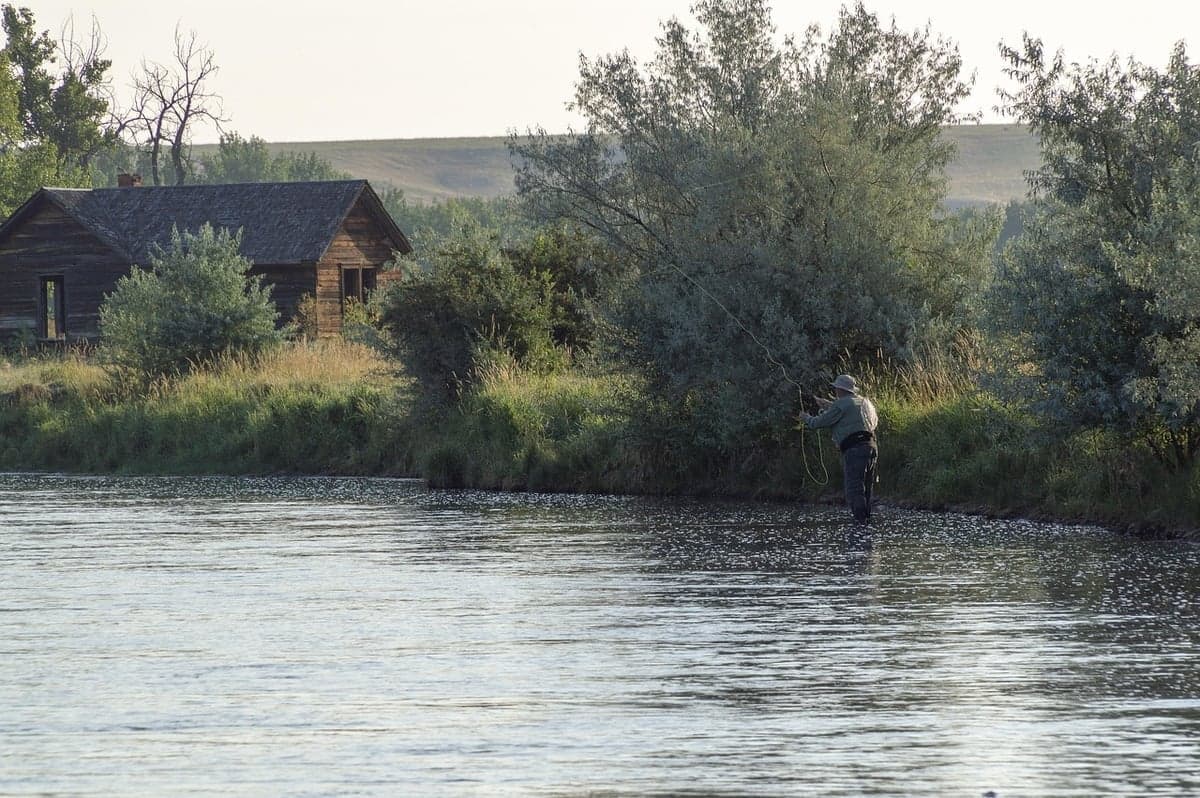
Montana rivers like the Madison and Missouri fish well from March through mid-May before runoff
Colorado: Pre-Runoff Gold
Colorado spring fishing is a race against the melt. Blink and your favorite freestone becomes a chocolate milkshake. But for anglers who know where to look, there's a golden window from late February through April.
South Platte River (Deckers/Cheesman)
The South Platte below Cheesman Reservoir is Colorado's best early season tailwater. Flows hold steady at 100-200 CFS, water stays clear, and fish feed on midges all winter.
March brings strong midge hatches. Fish size 20-24 patterns in the surface film. By April, BWOs join the party. Target 300-500 CFS for ideal conditions. The Deckers stretch holds rainbows and browns averaging 14-16 inches, with occasional 20-inch fish in the deeper pools.
Arkansas River (Salida/Buena Vista)
The Arkansas near Salida offers excellent pre-runoff fishing in April. The first caddis hatches make trout aggressive, and flows typically hold at 400-600 CFS before snowmelt begins. Check current Arkansas flows before driving, since this river can change fast.
Bear Creek and Clear Creek (Near Denver)
For quick-access fishing, Bear Creek and Clear Creek fish well in early spring. Both stay fishable longer than you'd expect, with brown trout responding to dry-dropper rigs. Clear Creek is a sleeper hit with lots of browns, easy access from Golden, and light pressure.
Wyoming: Tailwater Heaven
Wyoming's tailwater rivers fish year-round, making spring a prime time to target them.
North Platte River (Grey Reef/Miracle Mile)
The North Platte below Grey Reef Dam is one of Wyoming's finest trout fisheries. As of April 2025, flows are holding at 500 CFS with excellent clarity. The spring flush typically ends in late March, kicking off the best fishing of the year.
The Grey Reef section holds 4,000-5,000 trout per mile, averaging 18 inches. That's not a typo. Midge hatches dominate early spring—fish size 18-22 patterns tight to the bottom. Scuds, worms, and leeches also produce between hatches.
The Miracle Mile section above Grey Reef holds similar fish densities (3,000-5,000 per mile, 50/50 rainbows and browns) in a more remote setting.
Green River (Below Fontenelle Reservoir)
The Green River tailwater below Fontenelle is less famous but equally productive. Expect big browns (10-22 inches) and few other anglers. The Seedskadee National Wildlife Refuge provides solid public access, and you'll likely see more moose than people.
Idaho: Henry's Fork and Silver Creek
Idaho offers two excellent spring creek fisheries that peak in different seasons.
Henry's Fork (Box Canyon)
The Henry's Fork Box Canyon fishes well in early spring with big buggy nymphs. This 3-mile section holds huge rainbows that respond to stonefly patterns and streamers. The famous Railroad Ranch section peaks June through mid-July, but Box Canyon produces earlier.
Salmonfly hatches typically start in late May, but you can catch pre-hatch nymphing action in April.
Silver Creek
Silver Creek is 100% spring-fed, which means consistent water temps and ultra-clear visibility. Fish can see you coming from 50 feet. The season starts with brown drakes in early June, but spring fishing can be productive with midges and BWOs if you approach carefully.
The Nature Conservancy recently installed 30 designated fishing ramps at Silver Creek Preserve, making access easier while protecting the streambanks.
Spring Hatches: What to Expect
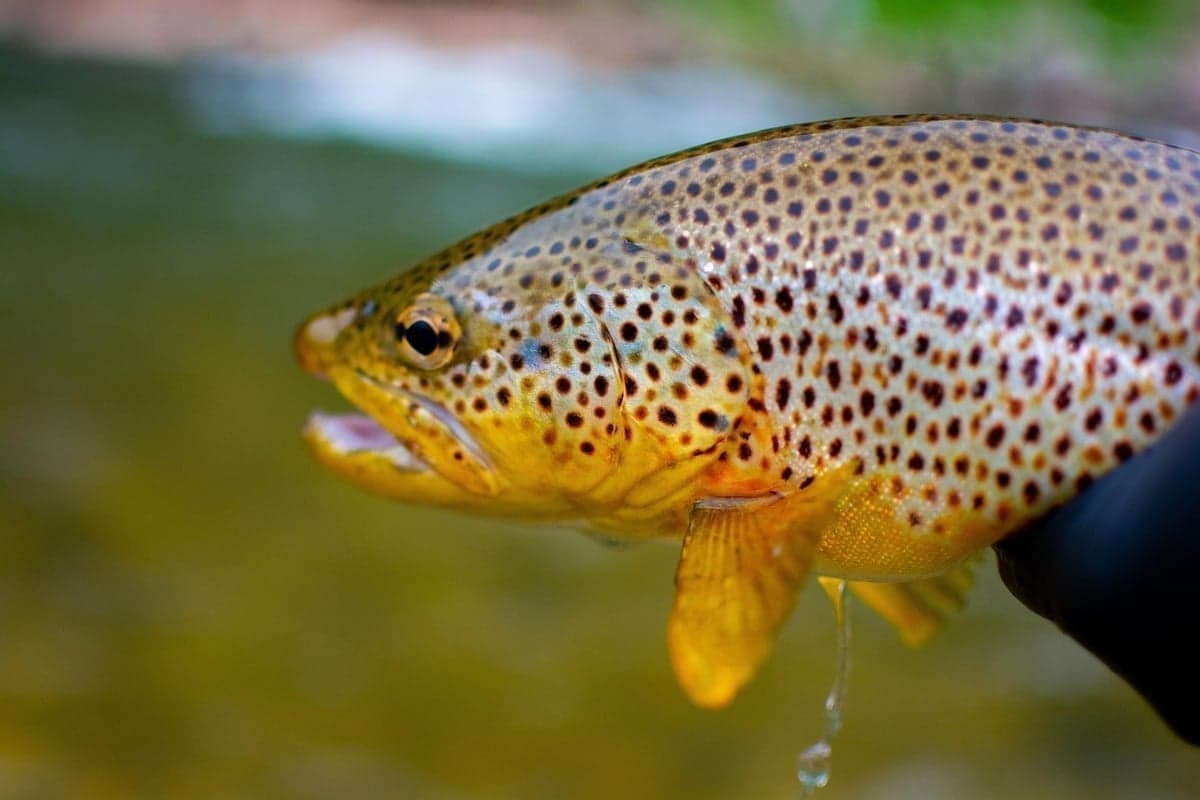
Spring browns are aggressive after a long winter - match the hatch and you'll have days like this
Understanding spring hatches helps you plan your trip. Target these:
Midges (February - April) The only game in town during cold early spring. Fish size 18-24 patterns in the film. Tailwaters fish best.
Skwala Stoneflies (Mid-March - April) First big bugs of the year. Hatch peaks between late March and mid-April when afternoon temps hit 50°F. Found across Montana, Idaho, Wyoming, and Colorado. Size 8-10 patterns fished tight to banks.
Blue-Winged Olives (Late March - May) Classic spring mayfly. Hatches best on overcast days with scattered showers and temps in the low 50s. Size 14-16 patterns. Every Western river has BWOs.
Mother's Day Caddis (Late April - Mid-May) The first major dry fly event of the season. Look for it when water temps hit 52-55°F. Best on the Madison, Yellowstone, and larger freestones. Late afternoon into evening.
Caddis (Late April - August) Once caddis start, they don't stop. Expect strong hatches through summer. Size 14-18 Elk Hair Caddis and emerger patterns work across all Western rivers.
How to Beat Runoff
When freestones blow out, you have options:
- Hit tailwaters - Missouri, South Platte, North Platte, and Green River all stay clear during runoff
- Fish spring creeks - Armstrong, DePuy, Silver Creek offer consistent water
- Go high - Alpine lakes above 10,000 feet often ice out in May and fish well while valleys flood
- Time the clearing - Rivers often become fishable for a few hours each morning before snowmelt hits
The 2025 snowpack outlook suggests normal runoff timing in most Western basins. Expect freestones to blow out in early May and clear by late June.
Planning Your Spring Trip
Spring fishing rewards flexibility. Monitor flows, watch the weather, and be ready to pivot.
Best Resources:
- Track Montana flows, Colorado flows, Wyoming flows, and Idaho flows on RiverReports
- Set up flow alerts for your target rivers
- Call local fly shops for current hatch reports. They know what's actually happening
Timing:
- March: Tailwaters, midges, early Skwalas
- April: Peak Skwala hatches, BWOs, first caddis
- May: Mother's Day caddis, then runoff hits
Gear:
- 5-weight rod covers most situations
- 6X-7X tippet for technical tailwater fishing
- Midge patterns (sizes 18-24)
- Skwala dries (sizes 8-10)
- BWO emergers (sizes 14-16)
- Caddis dries and emergers (sizes 14-18)
The difference between a great spring trip and a blown-out disappointment often comes down to checking flows the morning of, not the night before. I learned that the hard way on the Roaring Fork.
Don't make my mistake. Set up flow alerts for your target rivers, bookmark the state flow pages, and always have a tailwater backup plan. When that April warm front hits and your freestone turns to mud, you'll be on a tailwater catching fish while everyone else drives home.
Spring fishing rewards the flexible. Start tracking your rivers now.
Get River Intel Weekly
Flow updates and fishing intel delivered every Thursday.
River Intel Weekly
Weekly flow updates and fishing intel.
© 2026 RiverReports, Inc.