Quick Reference
| What | When | Key Numbers |
|---|
| Animas River (Gold Medal) | Year-round; Sept-Oct prime | 200-400 CFS ideal wading; 12-18" trout typical |
| Animas float fishing | June-Sept | 800-2,000 CFS; Town Run 2-4 hrs (7 mi) |
| Upper Animas (Silverton) | July-Sept; expert only | Class IV-V; train access $35/person |
| San Juan River tailwater | Year-round; Feb-Apr, Sept-Nov best | 500-1,000 CFS optimal; 15,000+ trout/mile |
| Piedra River | Late June-October | Catch-and-release; stonefly nymphs dominate |
| Los Pinos backcountry | Late June-October | 50+ miles wilderness water; wild cutthroats |
| Dolores tailwater | Mid-June-October | 30-90 CFS typical; 12 miles catch-and-release |
| Guided fishing | Book 2-4 weeks ahead | $495-625/day (San Juan); $500-600/day (Animas) |
| Rafting outfitters | May-September | $60-150 (town run); $300+ (Upper Animas) |
| Fly shop | Duranglers | (970) 385-4081, 923 Main Ave, Durango |
Flow985 CFS (BOR releases stabilizing after August increases)
Trendsteady
Claritygood—visibility ~5 feet, slightly turbid but clearing
Temp42-50°F (42°F in Quality Waters, ~50°F lower river)
Vernille SJ Worm #10-14 (brown/black/natural)Foam Wing RS2 #18-24Rojo Midge #20-22Red Midge Larva #16-20
Flow181 CFS (slight uptick from monsoon rain but still critically low)
Trendvariable
Clarityclear—very low water
Temp67-70°F (DANGEROUSLY WARM)
Tunghead Prince #16Flashback Baetis Nymph #18Tunghead Soft Hackle Pheasant Tail #18BH Rubber-Legged Pheasant Tail #16
🎣 TACTICS RIGHT NOWDry FlyGriffith's Gnat #18-22Bunny Midge #20-24Parachute Adams #20-22Para Ant #14-16Luna NegraPeacock Caddis #14-18Chubby Chernobyl #12-16Trico Spinner #20-22Stimulator #12Hopper #4-8 (San Juan: dry fly fishing fair—Griffith's Gnats and Bunny Midges still picking up risers on overcast afternoons; BWO activity increasing on cloudy days as fall transition approaches; terrestrials (hoppersantsbeetles) productive; nymphing remains the primary strategy at 985 CFS. Animas: VOLUNTARY CLOSURE AFTER NOON—Orvis/Heads Up (Aug 24) continues advising 'no safe time at all to fish right now' as overnight temps only reaching mid-60s; if fishing at allearly morning only 6-11am; Trico spinner falls producing at dawn; caddis and terrestrials active but trout severely heat-stressed; dry/dropper with Chubby or Peacock Caddis up top still the best presentation when temps allow)
NymphVernille SJ Worm #10-14Lynch's Double Dot Egg #18Foam Wing RS2 #18-24Rojo Midge #20-22Red Midge Larva #16-20Black Flash Midge Pupa #22-26Tav's Big Mac Pupa #22-24Bling Midge #22-24Tav's Thread Body Baetis #20-24Tunghead Prince #16Flashback Baetis Nymph #18Tunghead Soft Hackle Pheasant Tail #18Griffin's Euro Candy Caddis #16BH Rubber-Legged Pheasant Tail #16Perdigon #14-18BH Hare Golden Stone #10-12Prince Nymph #14-18Czech Mate Caddis #14-16
StreamerCircus PeanutDungeonsSparkle MinnowBunny Leech #6-8Sculpin SnackHare SculpinSmall BuggersNutcracker #4Tequilly
FORECASTThe San Juan remains the clear destination in the Durango area through late August and into September. At 985 CFS with 42°F water in the Quality Waters (per Orvis Aug 24), it's a cold-water refuge while the Animas sits at 70°F. Nymphing is excellent and late August still offers the chance to cycle through streamers, nymphs, and dries in a single day—peak streamer season runs through mid-October. BOR releases appear to be stabilizing in the 950-1,000 CFS range after trending up through August. BWO activity is increasing on cloudy days, signaling the approaching fall hatch transition—September and October will bring the San Juan's best dry fly fishing. The Animas situation remains dire—flows ticked up slightly to 181 CFS (from 149 on Aug 22) likely from monsoon rain, but water temp is still 70°F per the latest Orvis reading (Aug 24). Orvis/Heads Up continues to advise fishing elsewhere entirely as overnight temps only reach the mid-60s. The 2026 snowpack was dramatically below average and all melt is finished—no runoff relief coming. Watch for the seasonal transition in mid-to-late September when overnight lows drop into the 40s and water temps return below 60°F—that's when the Animas will turn back on with excellent fall brown trout fishing. The Piedra and Los Pinos backcountry streams are accessible but also running warm and low in the afternoons—fish them at dawn if at all. The Dolores tailwater below McPhee is worth checking if releases are happening, but drought-year flows have been marginal.Late August monsoon pattern continues across the San Juan Mountains—afternoon thunderstorms firing daily with localized heavy rain producing minor flow bumps on the Animas (up from 149 to 181 CFS over 3 days). However, monsoon rain is not providing meaningful temperature relief. Flash flood awareness critical on smaller tributaries, especially Piedra and Los Pinos drainages. Durango highs in the upper 80s to low 90s; overnight lows only reaching the mid-60s, which is why the Animas isn't cooling below the stress threshold even at night. San Juan River water temps remain cold (42°F in Quality Waters per Orvis Aug 24) thanks to bottom-release dam water—unaffected by air temperatures. Slight turbidity in the San Juan from monsoon runoff entering Navajo Lake but clearing quickly. Animas at 70°F per Orvis Aug 24—CPW voluntary closure after noon remains in effect. 2026 snowpack was below average and all melt finished—no additional runoff expected. Meaningful temperature relief unlikely until mid-September when the seasonal pattern shifts and overnight lows drop into the 40s. Wildfire risk remains elevated despite monsoon moisture.
Overview
Durango sits at the hub of Colorado's southwest river country. Within an hour's drive, you can fish freestone rivers, technical tailwaters, remote wilderness streams, and Gold Medal water, or raft Class II-III rapids through town and Class IV-V whitewater in the canyon above. The variety is the draw. The San Juan River's 15,000 trout per mile is an hour south, the Animas flows right through downtown with both great fishing and family-friendly rafting, and the Upper Animas offers some of the most demanding whitewater in the country.
The town itself is walkable and river-friendly. Duranglers, operating since 1983, anchors Main Avenue with gear, guides, and current conditions. Multiple rafting outfitters run trips daily in summer. The Animas River Trail parallels the river for 7 miles through town, providing easy walk-in access to Gold Medal water.
Most of Durango's fisheries reward DIY anglers willing to read water and match hatches. Float fishing from a raft or drift boat opens additional water, especially during higher flows. The exception is the San Juan. While it's fishable solo, a guide on your first visit saves hours of figuring out the technical midge game.
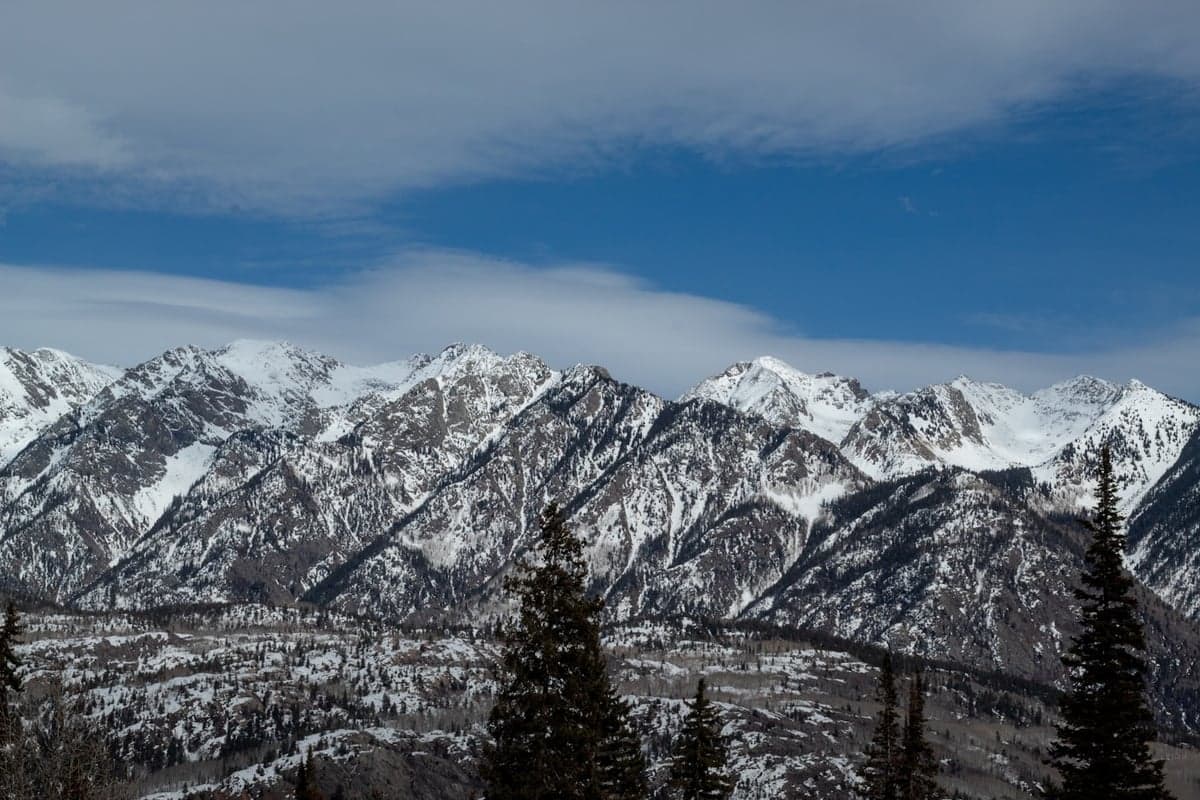
Southwest Colorado's rivers offer accessible fishing amid stunning mountain scenery
The Rivers
Animas River
The Animas is one of Colorado's last free-flowing rivers. No dams control flows, no tailwater temperature stability. It runs 126 miles from the San Juan Mountains above Silverton through Durango and into New Mexico. The fishing section that matters is the 7-mile Gold Medal stretch through Durango, from Lightner Creek to the Rivera Bridge.
What to expect: Big water. In Durango, the Animas runs nearly 100 feet wide with substantial boulders, deep holes, and slick rocks. This isn't delicate dry fly water. It's pocket water fishing with weighted nymphs and sculpin patterns. The trout average 12-16 inches with fish to 20 inches common. The Animas has produced some of the largest browns in the state.
Gold Medal regulations: Artificial flies and lures only. Two fish limit, 16-inch minimum. The designation reflects survey data showing the Animas consistently produces quality trout and biomass per mile.
Access points in Durango:
- 32nd Street / Memorial Park - Bathrooms, parking, easy put-in. Good wade access upstream and down.
- 29th Street - Manufactured play feature for kayakers; fishing access to riffles above and below.
- Schneider Park (9th Street) - Mid-town access with parking.
- Santa Rita Park - Whitewater park section; technical water with deep holes.
- Dallabetta Park - Southern boundary of public water. Below here is Southern Ute land (permit required) and private property.
Flow windows:
| CFS | Conditions |
|---|
| Under 200 | Low water; excellent wading; fish concentrated in holes |
| 200-400 | Ideal wading range; good dry fly conditions in fall |
| 400-800 | Higher but fishable; careful wading required |
| 800-1,500 | Float fishing only; too swift for safe wading |
| Over 1,500 | Spring runoff; muddy, unfishable |
Track current conditions on RiverReports Colorado flows.
Timing: The Animas fishes year-round except during spring runoff (late April through early June). September and October are prime: lower flows, fall color, and aggressive brown trout. Winter fishing is viable; the river doesn't freeze.
Float Fishing & Rafting the Animas
The Animas is a major rafting destination. Nearly 9% of Colorado's commercial rafting trips run here. For anglers, float fishing opens water that's difficult to wade and covers more river in a day.
Town Run (Class II-III): The 7-mile stretch through Durango from Oxbow Park to Dallabetta Park is the most popular float. At 1,000-2,000 CFS, expect 3-4 hours of floating with good fishing between rapids. Key rapids include Smelter, Santa Rita, Sawmill, and Pinball, with fun whitewater interspersed with productive fishing water.
Put-in/Take-out options:
| Section | Distance | Float Time | Character |
|---|
| Oxbow Park to 32nd St | 0.5 mi | 30 min | Calm, scenic warm-up |
| 32nd St to Santa Rita | 3 mi | 1.5-2 hrs | Best fishing; Class II rapids |
| Santa Rita to Dallabetta | 3.5 mi | 1.5-2 hrs | Whitewater park; Class II-III |
| Full Town Run | 7 mi | 3-4 hrs | Best overall float |
Float fishing flows:
| CFS | Conditions |
|---|
| 500-1,000 | Low; slower float; more wading options from boat |
| 1,000-2,000 | Ideal float fishing; good current, manageable rapids |
| 2,000-3,000 | Higher; faster float; less fishing time |
| Over 3,000 | Rafting focus; fishing secondary; experienced boaters only |
Boat ramps: Oxbow Park (completed 2020) has a proper boat ramp with parking, restrooms, and changing rooms. 32nd Street/Memorial Park and Dallabetta Park also allow launching. No ramp fees within city limits.
Commercial rafting outfitters:
Float fishing tip: At flows between 800-1,500 CFS, you can pull over and wade-fish productive runs, then continue floating. Above 2,000 CFS, focus on fishing from the boat. The current moves too fast for frequent stops.
Upper Animas (Silverton Section)
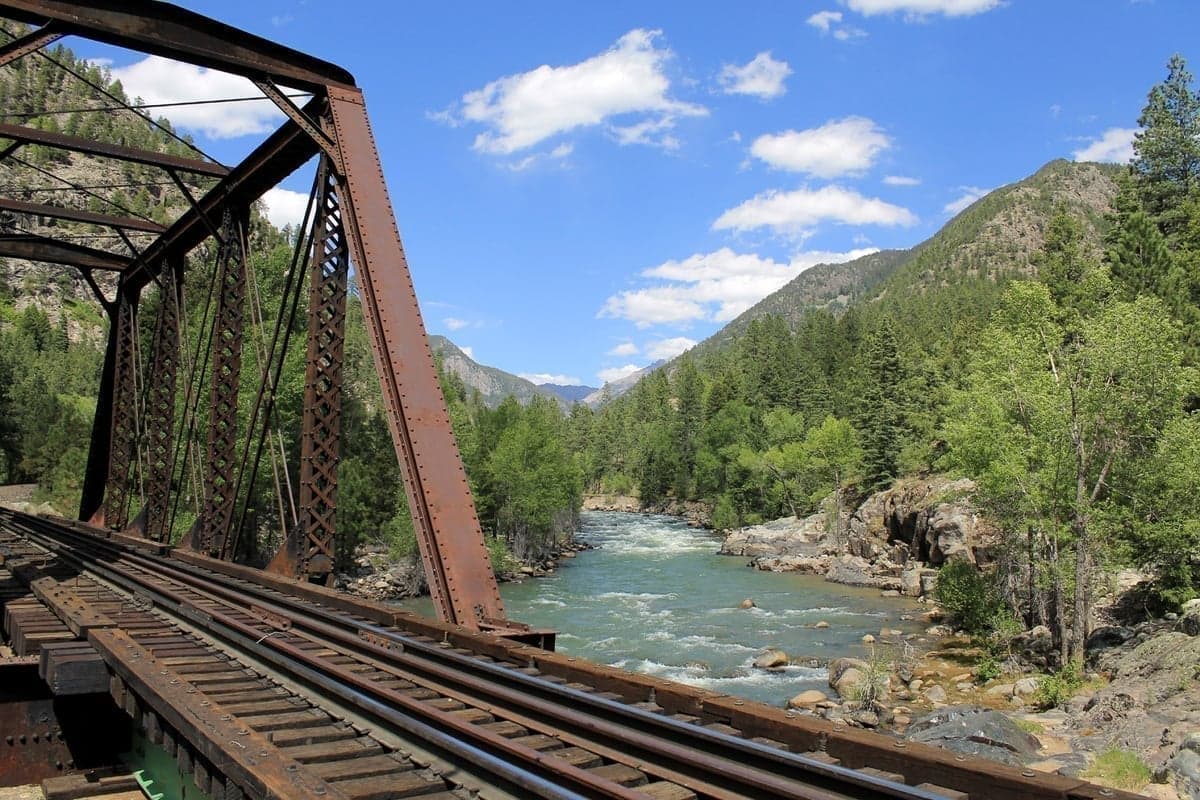
The Upper Animas between Silverton and Rockwood is expert-only water, both for whitewater and fishing access. The river drops through a remote canyon with Class IV-V rapids, accessible primarily via the Durango & Silverton Narrow Gauge Railroad.
The whitewater reality: This is one of the most demanding commercially-rafted stretches in the United States. At moderate to high flows, you'll encounter 20+ miles of continuous rapids with an average gradient of 85 feet per mile. Class V rapids include Ten Mile, No Name, Broken Bridge, and Mandatory Thrash. Swims have proven fatal. This isn't water to underestimate.
Fishing the upper river: Above Silverton, the Animas runs crystal-clear from glacial melt through the San Juan National Forest. The water is fast with limited holding water, but you'll find healthy brook trout and some larger rainbows and browns if you work the pockets. Cement Creek feeds in just below Silverton, making everything upstream quite fishable. Fish average 10-15 inches with occasional larger browns.
Best flies for upper water: The same patterns work as lower down: Pheasant Tails, Hare's Ears, and Prince Nymphs in sizes 14-18. PMDs hatch in July and early August; try Light Cahill or pale-bodied dries in sizes 16-18.
Train access: The Durango & Silverton Narrow Gauge Railroad offers wilderness access for hikers, anglers, and rafters from May through October. Two backcountry stops (Needleton and Elk Park) put you into the Weminuche Wilderness and upper Animas canyon.
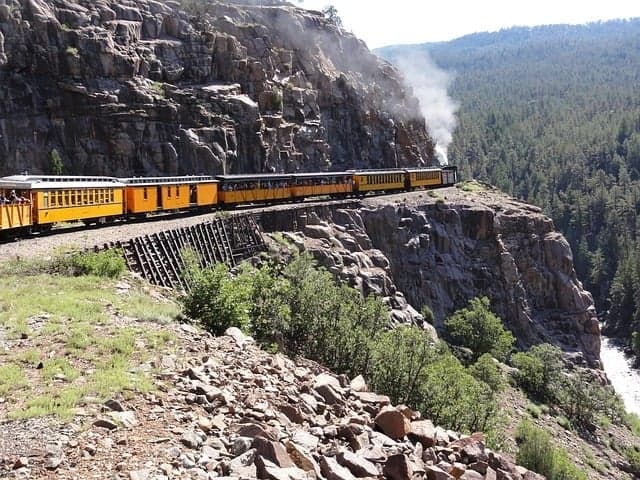
The historic Durango & Silverton Narrow Gauge Railroad provides unique backcountry access to the upper Animas canyon
- Fare: $35 per person (wilderness access)
- Season: May 20 - October 11
- Reservations: Required; book at durangotrain.com or call (970) 385-8832
- Gear note: Fishing equipment must be enclosed in protective covering
Who should fish here: Experienced anglers comfortable with challenging access and willing to hike. The fishing isn't as productive as the Gold Medal water through Durango, but the scenery is unmatched and you'll likely have water to yourself.
San Juan River (New Mexico)
The San Juan below Navajo Dam is one of the most productive tailwaters in the West. Cold water releases from the dam's bottom maintain year-round temperatures of 42-46°F, supporting an estimated 15,000 trout per mile. Fish average 16-18 inches, with 20+ inch rainbows caught regularly.
Location: One hour south of Durango. Cross into New Mexico and continue to Navajo Dam. The fishing is in New Mexico, so you'll need a New Mexico fishing license ($56 annual non-resident; $12 one-day; $24 five-day).
Quality Waters regulations: The first 3.75 miles below the dam are catch-and-release only with barbless, single-hook flies and lures. This is where the fish density is highest.
Key sections:
| Area | Character | Notes |
|---|
| Texas Hole | Deep bend, slower current | Most popular spot; crowded but productive |
| Upper Flats | Shallow, sight-fishing | Technical; match-the-hatch required |
| Lunker Alley | Deep, fast run | Difficult wading; big fish |
| Baetis Bend | Riffle into pool | Good BWO hatch water |
| Lower Flats | Slower, weedy | Scud and worm water |
Texas Hole access: From Navajo Dam community, take Highways 173 and 511 east. Turn north on a small paved road near the Catholic Church, about 1.25 miles below the dam. Navajo Lake State Park parking has restrooms but no drinking water. A day-use fee applies.
Flow windows:
| CFS | Conditions |
|---|
| 250-500 | Lower flows; easier wading; fish can be spooky |
| 500-1,000 | Optimal fishing flows; good wading |
| 1,000-2,500 | Higher but fishable; stick to edges |
| Over 2,500 | High water releases; challenging |
The San Juan doesn't swing wildly like freestone rivers. Dam releases are relatively stable. Check conditions before driving; flows rarely change dramatically day-to-day.
The midge game: The San Juan is midge water. Year-round, size 20-28 midge larvae and pupae are the primary food source. If you're not comfortable fishing tiny flies on 6X-7X tippet, the San Juan will humble you. Most fish are caught subsurface with two-fly midge rigs dead-drifted under an indicator.
BWO hatches (sizes 22-26) occur spring and fall, offering some dry fly relief. PMDs appear July through August, and caddis show up sporadically.
Beating the crowds: Texas Hole gets packed by 9am on summer weekends. Arrive at first light (around 6am) or fish late afternoon when day-trippers leave. Better yet, fish weekdays. The difference is dramatic. The Upper Flats and Lunker Alley see fewer anglers than Texas Hole but require more technical skills. Winter months (November-February) offer the best solitude with consistent fishing.
Best times of day: Midge activity peaks mid-morning through early afternoon. Fish subsurface until you see rises, then switch to clusters or emergers. On cloudy fall days, BWO hatches can produce excellent dry fly fishing from 1-4pm.
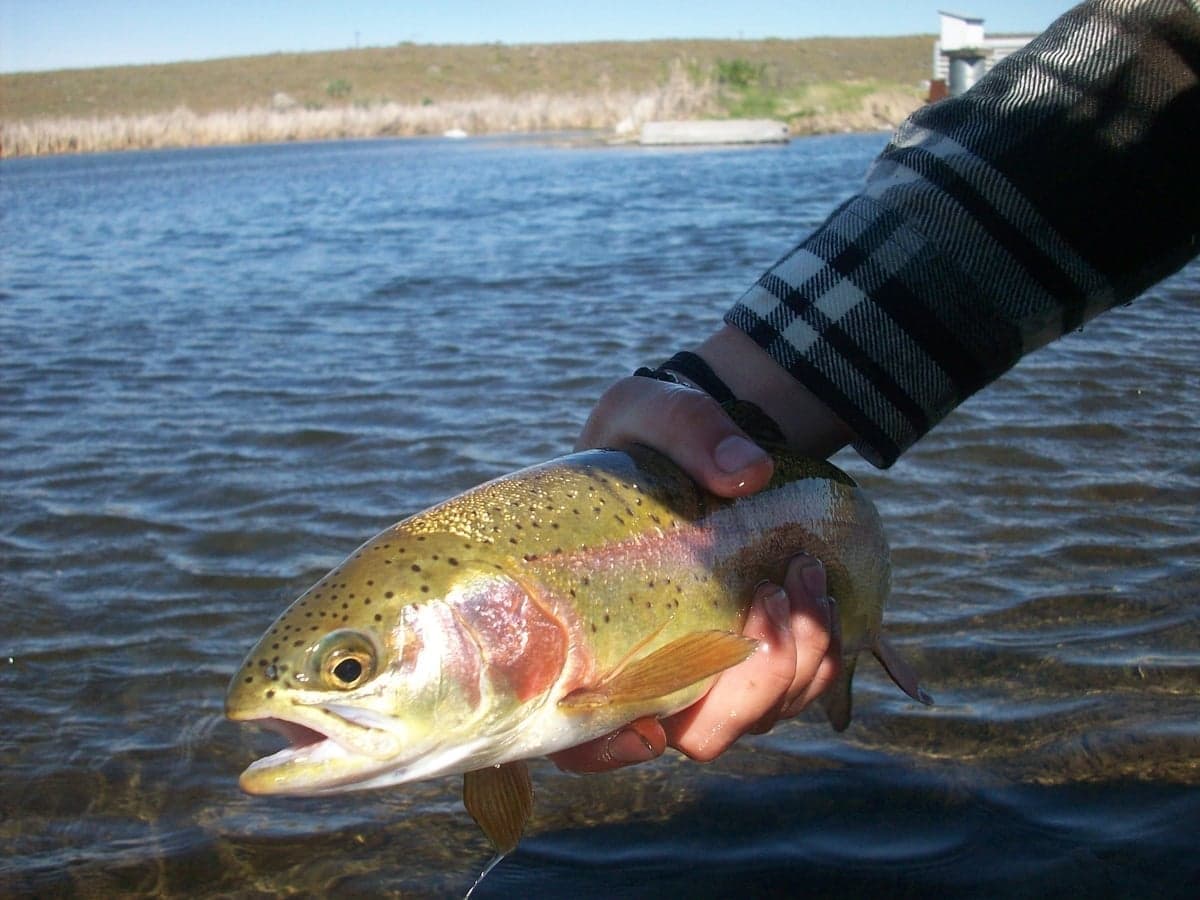
San Juan River rainbows average 16-18 inches, with 20+ inch fish common in the Quality Waters
Piedra River
The Piedra is backcountry freestone fishing: remote, rugged, and lightly pressured. The river flows through a 24-mile valley between Forest Road 631 and Highway 160, broken by two box canyons. The best water requires hiking.
Getting there: From Pagosa Springs, take Highway 160 west about 20 miles to Piedra. Turn north on FR 622, which follows (but sits 800 feet above) the river for 9 miles. Don't expect to drive to the water. Established trails drop from parking areas to the stream.
Regulations: Catch-and-release, artificial flies and lures only from the Piedra River Bridge (FR 631) to 1.5 miles above Highway 160.
What to expect: Browns, rainbows, and cutbows in the 12-14 inch class. The river has enormous stonefly populations, more than mayflies or caddis. The annual stonefly hatch (mid-May to mid-June) brings big fish to the surface.
Best time: Late June through October. Avoid spring runoff. Flows become dangerous and the water runs muddy. Summer can see low, warm water during drought years.
Fly selection: Pat's Rubberlegs, Stimulators, and hopper-droppers work all summer. In fall, attractor dries (Parachute Adams, Humpys) and small nymphs take fish.
Los Pinos River (Pine River)
Locals call it "the Pine." This is wilderness fishing: 50+ miles of stream in the Weminuche Wilderness from Vallecito Reservoir to the Continental Divide. The upper watershed holds wild cutthroats, brookies, browns, and rainbows. A Colorado Grand Slam (all four species in one day) is possible here.
Access: The Pine River Trail starts 3 miles north of Vallecito Reservoir, reaching the wilderness boundary at Granite Peak Ranch. From there, it's foot travel only. The further you hike, the bigger the fish. Some anglers report 20+ inch browns deep in the wilderness.
Below Vallecito: The river south of the reservoir runs through private land and the Southern Ute Indian Reservation. Limited access; tribal permit required for reservation water.
Vallecito Reservoir: If hiking isn't your plan, the reservoir offers rainbow and brown trout plus northern pike. Stocked annually with rainbows and kokanee salmon.
Regulations: Two fish limit, artificial flies and lures only upstream from the Weminuche boundary.
Best time: Late June through October. Caddis hatches drive the fishing; hoppers work well in August and September.
Dolores River (Below McPhee Dam)
The Dolores tailwater is a technical fishery in a deep sandstone canyon. When McPhee Dam was completed in 1984, it created 12 miles of catch-and-release water down to Bradfield Bridge. The fishing can be exceptional, or difficult, depending on dam releases.
Getting there: From Durango, drive west on Highway 160 to Highway 145 toward Cortez. The tailwater section begins at McPhee Dam and runs 12 miles downstream.
Regulations: Catch-and-release, artificial flies and lures only from the dam to Bradfield Bridge.
Character: This isn't typical tailwater fishing. The Dolores flows more like a spring creek: slow, clear, and technical. Long leaders (12+ feet), light tippets (5X-6X), and precise presentations are required. The trout are educated.
Flow reality:
| CFS | Conditions |
|---|
| 30-40 | Winter lows; fish concentrated; tough fishing |
| 50-90 | Summer flows; fishable |
| 100-200 | Higher releases; good for streamers |
| 200+ | Spring releases; variable |
The Dolores doesn't fish like the San Juan. Releases depend on irrigation demand and snowpack. Some years see good water; drought years produce marginal flows.
Best time: Early weeks after runoff (typically late June) and fall (September-October). Cloudy days outfish sunny days significantly.
Hatches: BWOs (spring/fall, sizes 22-24), PMDs (midsummer), caddis (scattered), and terrestrials (ants and beetles from July on). Green Drakes appear briefly. When nothing's hatching, fish hoppers along the banks.
Seasonal Calendar
Spring (March-May)
Pre-runoff (March-April): The Animas fishes well before snowmelt begins. Midges and early BWOs hatch on sunny afternoons. The San Juan is excellent with fewer crowds than summer, consistent midge hatches.
Runoff (late April-June): The freestone rivers blow out. The Animas, Piedra, and Los Pinos run high, muddy, and dangerous. The San Juan and Dolores tailwaters remain fishable since dams control flows.
Summer (June-August)
Early summer: As runoff subsides (usually early-to-mid June), fishing improves rapidly. Caddis hatches dominate the Animas; stoneflies come off the Piedra. The high country opens, and Los Pinos wilderness water becomes accessible.
Midsummer: July and August bring PMD hatches to the Animas and hopper season to all rivers. Fish the mornings and evenings; midday heat can slow action on freestone water. The San Juan fishes year-round but crowds peak in summer.
Water temperatures: Monitor afternoon temps on the Animas. Stop fishing when water hits 68°F. Trout become stressed and mortality risk increases even with careful handling.
Fall (September-November)
Prime time: September and October are the best months across all Durango rivers. Flows drop, temperatures cool, and brown trout become aggressive before spawning. Fall BWOs hatch on cloudy afternoons; hoppers work until frost kills them.
Late fall: Fishing continues through November on the Animas and San Juan. The San Juan is particularly good November through February with fewer anglers, consistent midge hatches, and big fish moving through the flats.
Winter (December-February)
San Juan: This is the time. The tailwater fishes well all winter. Midge patterns in sizes 22-28, dead-drifted under indicators, catch fish all day.
Animas: Fishable but slower. The river doesn't freeze, and midges hatch on warm afternoons. Fish deep with small nymphs; don't expect surface action.
Hatch Chart
Animas River
| Insect | Timing | Sizes | Notes |
|---|
| Midges | Year-round | 20-24 | Especially important winter |
| BWOs | March-June, Oct-Nov | 18-22 | Cloudy afternoon hatches |
| Caddis | June-September | 14-18 | Dominant summer hatch |
| PMDs | July-early August | 16-18 | Late morning hatches |
| Golden Stoneflies | Late June-early July | 8-10 | Short but productive |
| Salmonflies | June (brief) | 4-8 | Fast water only |
| Terrestrials | July-October | 8-14 | Hoppers, beetles, ants |
San Juan River
| Insect | Timing | Sizes | Notes |
|---|
| Midges | Year-round | 22-28 | Primary food source |
| BWOs | April-May, Oct-Nov | 22-26 | Best dry fly opportunity |
| PMDs | July-August | 16-18 | Afternoon hatches |
| Scuds | Year-round | 14-18 | Dead-drift near weeds |
| San Juan Worms | Year-round | 12-16 | Red, tan, pink |
Fly Box Essentials
Animas River
The Animas fishes like a big freestone. Bring patterns that get down and get noticed.
Must-haves: Pat's Rubberlegs (#6-10), Elk Hair Caddis (#14-18), Parachute Adams (#16-20), Stimulators (#10-14), hoppers (#8-12 in summer), Pheasant Tails and Hare's Ears (#14-18), Zebra Midges (#18-22). For streamers: Woolly Buggers and Sculpzillas in olive and black.
San Juan River
Midge patterns are non-negotiable. Stock up before you go. Duranglers carries San Juan-specific patterns.
Must-haves: Zebra Midges (#22-26, black and red), Black Beauties (#22-26), RS2s (#22-26), WD-40s (#22-24), Griffith's Gnats (#20-24 for clusters), San Juan Worms (#14-16, red/tan/pink), Scuds (#14-18, orange). For the occasional mayfly hatch: BWO Comparaduns and Sparkle Duns (#22-24).
Pro tip: Buy your San Juan midges locally. The shop staff know what's working that week, and the patterns tied by local guides often outperform catalog versions.
Tackle Recommendations
Animas River:
- 9-foot 5-weight rod (good all-around)
- Floating line with 9-foot 4X-5X leader
- Wading staff recommended (slick rocks)
- Felt-soled boots with studs
San Juan River:
- 9-foot 4-weight or 5-weight rod
- Floating line with 12-foot 5X-6X leader
- Long, fine tippet (6X-7X) for midge fishing
- Strike indicators (small, sensitive)
High Country (Piedra, Los Pinos):
- 8.5-foot 4-weight rod
- Short leaders (7.5 feet) in pocket water
- Wading boots with good ankle support
Hazards and Safety
Cold Water
All Durango rivers run cold. The San Juan maintains 42-46°F year-round. The Animas warms in summer but remains cold enough to cause hypothermia with extended exposure. Wear waders appropriate to the season; drysuits or fleece-lined waders in winter.
Spring Runoff
From late April through early June, freestone rivers (Animas, Piedra, Los Pinos) become dangerous. High, fast, muddy water with debris. Don't wade during runoff. People drown every year in Durango-area rivers.
Slick Rocks
The Animas has notoriously slippery rocks. Felt soles help but aren't foolproof. Use a wading staff. Wade deliberately, testing footing before committing weight.
Strainers
Downed trees and brush create strainers on outside bends, especially after high water. If you fall in and can't avoid a strainer, turn onto your stomach and climb up and over. Never swim underneath.
Flash Floods
Summer afternoon thunderstorms can cause rapid water rises on small streams. The Piedra and Los Pinos tributaries are particularly susceptible. If skies darken and thunder approaches, get off the water.
Altitude
Durango sits at 6,500 feet. The high country streams are 9,000-12,000 feet. Hydrate, take breaks, and know your limits if you're coming from sea level.
Licenses and Permits
Colorado
- Annual resident: $35
- Annual non-resident: $98
- 1-day non-resident: $21
- 5-day non-resident: $56
- Purchase online at Colorado Parks & Wildlife
New Mexico (San Juan River)
- Annual non-resident: $56
- 5-day non-resident: $24
- 1-day non-resident: $12
- Habitat Stamp: $10 (required for BLM/Forest Service land)
- Purchase online at NM Department of Game & Fish
Southern Ute Tribal Permit
Required for fishing Southern Ute reservation water below Dallabetta Park on the Animas and designated tribal streams.
Guides and Fly Shops
Fly Shops
Duranglers Flies and Supplies
923 Main Avenue, Durango
(970) 385-4081
Hours: Mon-Sat 7:30am-8pm, Sun 8am-7pm
The premier shop in the region. Full-service with gear, flies, licenses, and guide bookings. Orvis-endorsed.
The San Juan Angler
Durango location downtown
San Juan-focused expertise; good for pre-trip intel on tailwater conditions.
Guide Services
San Juan River:
Animas River and Local Waters:
Backcountry:
Heads Up offers horseback pack trips into the Weminuche Wilderness for cutthroat fishing at 10,000+ feet. Multi-day options available.
Getting There
By air: Durango-La Plata County Airport (DRO) has direct flights from Denver, Phoenix, and Dallas. Albuquerque (4 hours) and Denver (6 hours) are larger hub alternatives.
By car:
- From Denver: 6 hours via US-285 and US-160
- From Albuquerque: 4 hours via US-550
- From Phoenix: 7 hours via I-17 and US-160
San Juan River from Durango: 1 hour south. Take US-550 south to Aztec, NM, then Highway 173 east to Navajo Dam.
Camping & Lodging
Camping Near Durango
Junction Creek Campground (San Juan National Forest)
5 miles northwest of Durango. 44 sites in ponderosa pines, 14 with electrical hookups. Vault toilets, drinking water. Junction Creek offers brook and rainbow trout fishing (skilled anglers do better upstream from camp). Access to Colorado Trail. Reserve at Recreation.gov.
Haviland Lake Campground
18 miles north of Durango. 43 sites (26 reservable, 17 with electric). Lake fishing for stocked trout, plus hiking and canoeing. Good base for Los Pinos wilderness trips.
United Campgrounds of Durango
North end of town along the Animas River. 100 RV sites (full hookups) and 90 tent sites. Walking distance to downtown. Best option if you want river access without driving.
Vallecito Reservoir Area
Multiple campgrounds around the lake, 18 miles northeast of Durango. Good staging for Pine River wilderness trips. Boat ramps, fishing, and general recreation.
Camping Near San Juan River (New Mexico)
Navajo Lake State Park - Cottonwood Campground
Right at river level with easy foot access to Quality Waters. RV and improved tent sites. Pay station, restrooms. Prime location for serious San Juan fishing. Roll out of your tent and start casting.
Navajo Lake State Park - Pine/Juniper/Cedar Loops
Seven campgrounds total with 244 developed sites around the lake. Mix of full hookups to primitive sites, $10-45/night. Reserve through New Mexico State Parks.
Fisheads San Juan Lodge
If camping isn't your style, Fisheads offers all-inclusive fishing packages with lodging, meals, and guided trips. Located right on the San Juan.
Durango Lodging
Downtown Durango has abundant hotels, motels, and vacation rentals. A few angler-friendly options:
- General Palmer Hotel - Historic downtown; walking distance to Duranglers and Animas River Trail
- Strater Hotel - Another historic option; full restaurant and bar
- Rochester Hotel - Boutique feel; good breakfast included
- Chain hotels along US-550 north of downtown - Budget-friendly; easy parking for boats/trailers
Pro tip: If fishing the San Juan primarily, consider staying in Aztec or Farmington, NM (30-40 min from the river) rather than driving from Durango daily. More lodging options and closer to the water.
Using RiverReports
Track real-time flows on RiverReports Colorado before your trip:
- Animas River at Durango - Monitor for wading safety; ideal range 200-400 CFS
- San Juan River below Navajo Dam - Check dam release schedules; 500-1,000 CFS optimal
- Compare current flows to historical averages to understand whether conditions are high, low, or normal for the season
Set flow alerts if you're waiting for runoff to subside or targeting specific conditions. The Animas can change quickly after storms; the San Juan is more stable but worth checking before the drive.
Frequently Asked Questions
Is fly fishing good near Durango, Colorado?
Durango offers excellent fly fishing with the Gold Medal Animas River running through town, the legendary San Juan River tailwater an hour south, and backcountry options on the Piedra, Los Pinos, and Dolores rivers. Check our real-time flow charts for current Animas conditions.
What month is best for fly fishing in Durango?
Late May through September is prime season. The Animas fishes best once spring runoff clears (typically late June), while the San Juan tailwater below Navajo Dam produces year-round. October brings brown trout spawning activity and excellent fall dry fly fishing.
Is there good fishing near Durango?
Within 90 minutes of Durango you can access five distinct fisheries: the Animas River (freestone, in town), San Juan River (tailwater, world-class), Piedra River (remote freestone), Los Pinos/Pine River (below Vallecito Reservoir), and the Dolores River below McPhee Dam. Each offers different species, water types, and experiences.
For more Colorado destinations, see our Colorado fly fishing overview. For detailed tailwater tactics, visit the San Juan River guide.