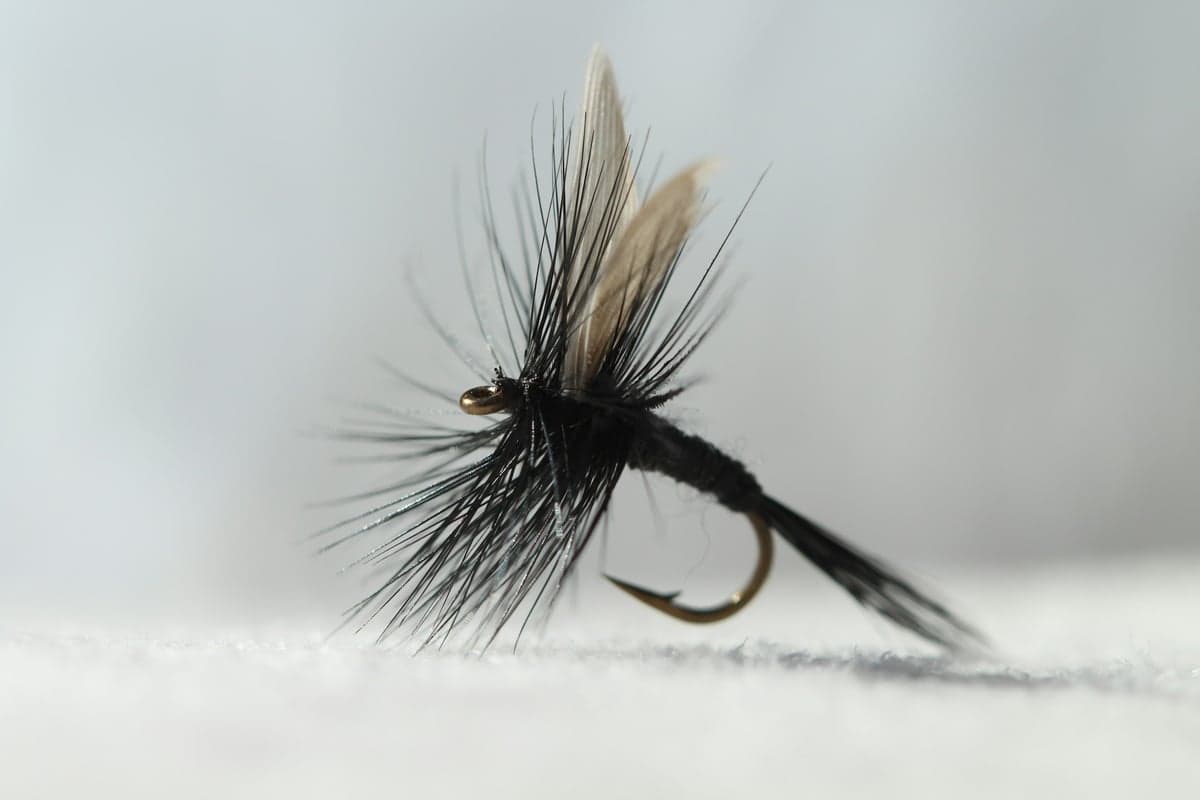
Winna Spinner Trico #18-22Hackle Stacker Trico #18-22Last Chance Cripple Trico #18-22Dirt Bag Trico Green #18
Flows at 3,460 CFS at Holter Dam per Headhunters (Aug 21)—stable and fishable with no Hoot Owl restrictions in effect. Water temp at 65°F per Headhunters (Aug 21). Low smoke levels and clear skies. Summer heat pushing trout toward the dam where cold, oxygen-rich tailwater provides relief—get on the water by 7:00-7:30 AM during hot weather per Capital Sports (Aug 6). Clarity remains good with typical late-August weed growth. Tricos still active during mid-morning hours per House of Fly (Aug 21) with Callibaetis and micro mayflies also present, but Trico hatches becoming more localized near the dam as late August progresses. Montana Angler (Aug 24) confirms late summer mode—tricos sporadic with unreliable pods of rising trout. Winna Spinner Trico #18-22, Hackle Stacker Trico #18-22, Last Chance Cripple Trico #18-22, and Dirt Bag Trico Green #18 the go-to Trico patterns. Long leaders (12-14 feet) tapered to 5X-6X essential for Trico fishing—downstream presentations to individual rising fish. Trico window typically dawn to 10 AM. SIGNIFICANT DEVELOPMENT: BWOs now appearing in sizes 20-26 per Headhunters (Aug 21)—Parachute BWO, small Adams, and olive mayfly nymphs all producing. Early fall transition underway. Callibaetis hatches strengthening per House of Fly (Aug 21)—Hackle Stacker Callibaetis #14-16 and Callibaetis Spinner #14-16 effective in slower water, Parachute Adams #12-14 as the match. Terrestrial season in full swing per Capital Sports (Aug 6)—grasshoppers actively feeding along the banks. Chubbies, Micro Chubbies, Water Walkers, Stimulators, Glitter Ant, Ante Up, Fat Head Beetle, and Henneberry Hopper all producing during the midday-to-afternoon window per House of Fly. Hopper-dropper rigs the standout tactic from 11 AM onward—trail a nymph 12-18 inches behind a foam terrestrial. Caddis still active, especially evenings—Corn-Fed Caddis CDC Tan #16, CDC Elk Hair Caddis #16-22, and Bloom's Hi-Vis Caddis #16-22 remain productive per River's Edge (Aug 16). Evening dry fly fishing showing consistent results. Nymphing with indicators remains the most productive all-day method per Montana Angler (Aug 24): Sawyer Pheasant Tail #18-24, RS2 Emerger #18-22, Wondernymph Black #18-22, Beadhead Zebra Midge #22, Mole Midge #20, and Jig Micro May the hot subsurface patterns. Short leash nymph rigs effective per Headhunters (Aug 21). Near the dam, use Zebra patterns; downriver, Zirdle Bug, crayfish imitations, and damsel nymphs work better per House of Fly (Aug 21). Sow bugs and scuds still productive early morning near the dam per Capital Sports. The canyon section (Craig to Tower Rock) now fishing better than the dam reach per Headhunters (Aug 21)—faster, oxygen-rich riffle waters holding more active fish. Weeds in the water typical for August per River's Edge—adjust depth frequently when nymphing and expect occasional fouling. Streamer fishing best before sunrise and under cloud cover per House of Fly (Aug 21)—Flash N' Grab, Kreelex, Sparkle Minnow, Bam Bam Minnow, Flare A Bou, Thin Mint, and OG Mini Circus Peanut Tan #6. Streamer fishing producing larger trout in faster water and soft areas per Headhunters (Aug 21). Craig boat ramp traffic moderating as peak June-July rush subsides but weekends still busy.
Winna Spinner Trico #18-22Hackle Stacker Trico #18-22Last Chance Cripple Trico #18-22Dirt Bag Trico Green #18
Flows stable and fishable at Cascade—estimated 3,750 CFS. Water temp slightly warmer than the upper section at approximately 66°F—trout still active but concentrating in deeper, cooler runs and near cold-water tributary inflows from the Dearborn. No Hoot Owl restrictions in effect per Headhunters (Aug 21). Headhunters (Aug 21) reports the lower reach 'hit and miss per usual'—canyon section above Tower Rock fishing notably better with faster, oxygen-rich riffle waters. Tricos present but increasingly sporadic this late in August—best Trico fishing remains near the dam per House of Fly (Aug 21). BWOs beginning to appear in sizes 20-26 per Headhunters (Aug 21)—Parachute BWO and olive mayfly nymphs worth trailing as a dropper. Terrestrial fishing outstanding in the lower section with exposed banks and grasshopper activity—hopper-dropper rigs the most productive approach from midday onward. Chubbies, Micro Chubbies, Henneberry Hopper, and Stimulators effective as the top pattern with a nymph trailed behind. Caddis still producing strong evening surface activity—Corn-Fed Caddis CDC Tan #16 and CDC Elk Hair Caddis #16-22 effective per River's Edge (Aug 16). This section remains far less pressured than the Craig corridor and is the smart play for anglers seeking solitude during summer. Walk-and-wade access outstanding throughout with side channels fully fishable. Nymphing with indicators effective all day per Montana Angler (Aug 24): Sawyer Pheasant Tail #18-24, RS2 Emerger #18-22, Zebra Midge #20-22, and Zirdle Bug the primary rotation. Short leash nymph rigs also effective per Headhunters (Aug 21). Sow bugs and scuds productive early morning. Weed growth significant in the lower section—adjust depth frequently when nymphing. Streamer fishing limited to dawn/dusk or overcast days given clear, warm water but producing larger trout per Headhunters (Aug 21)—Flash N' Grab, Kreelex, and Sparkle Minnow added to the rotation per House of Fly (Aug 21). Chicago Overcoat Sculpin #10, Mini Dungeon #4-6, and White Dungeon #4-6 effective for quality browns in the canyon stretches. Walk-and-wade access excellent—side channels holding good numbers of trout in cooler water.
🎣 TACTICS RIGHT NOW
Dry Fly
Winna Spinner Trico #18-22Hackle Stacker Trico #18-22Last Chance Cripple Trico #18-22Dirt Bag Trico Green #18Film Critic #18-22Chubby Chernobyl #8-10Micro Chubby #10-12Water Walker #10-12Henneberry Hopper #8-12Stimulator #8-12Glitter Ant #14-18Ante Up #14-18Fat Head Beetle #12-16Corn-Fed Caddis CDC Tan #16Corn-Fed Caddis CDC Olive #18-20CDC Elk Hair Caddis #16-22Bloom's Hi-Vis Caddis #16-22Elk Hair Caddis #14-16X-Caddis #14-18Parachute Adams #18-22Purple Haze #16-18Parachute BWO #20-26Griffith's Gnat #18-22; Tricosterrestrialsand emerging BWOs now driving dry fly fishing. Trico spinnerfall the primary morning event per House of Fly (Aug 21)—female dun hatch early followed by male spinners mid-morning. HoweverMontana Angler (Aug 24) confirms Trico hatches sporadic with unreliable pods of rising trout—late summer mode in full effect. Trico fishing demands precision: 12-14 foot leaders tapered to 5X-6Xdrag-free driftsand downstream presentations to individual rising fish. Winna Spinner TricoHackle Stacker TricoLast Chance Cripple Tricoand Dirt Bag Trico Green #18 the go-to Trico patterns. Trico window typically dawn to 10 AM. BWOs now actively appearing in sizes 20-26 per Headhunters (Aug 21)—Parachute BWOsmall Adamsand olive patterns producing. This marks the beginning of the fall transition and should only strengthen through September. Terrestrial season in full swing per Capital Sports (Aug 6)—grasshoppers actively feeding along the banks. ChubbiesMicro ChubbiesWater WalkersStimulatorsHenneberry HopperGlitter AntAnte Upand Fat Head Beetle all producing during the midday-to-afternoon window per House of Fly (Aug 21). Evening caddis fishing remains consistent per River's Edge (Aug 16)—Corn-Fed Caddis CDC Tan #16CDC Elk Hair Caddis #16-22Bloom's Hi-Vis Caddis #16-22and Elk Hair Caddis #14-16 effective. Purple Haze #16-18 and Parachute Adams #18-22 remain effective searching patterns between hatches. Callibaetis strengthening per House of Fly (Aug 21)—Hackle Stacker Callibaetis #14-16 and Callibaetis Spinner #14-16 effective in slower waterParachute Adams #12-14 also matching Callibaetis. Peak surface activity at dawn with Tricosthen again late afternoon through dark with terrestrials and caddis. BWOs adding a new overcast-day dry fly opportunity throughout the day.
Nymph
Flying Zebra #18-22Zebra Midge #20-22Beadhead Zebra Midge #22Mole Midge #20Tailwater Sow Bug #14-16Scud #14-16Black IPT #18Black Two Bit Hooker #16-18Jig Frenchie #16Perdigon Olive #18Lightening Perdigon #16-18Sawyer Pheasant Tail #18-24RS2 Emerger #18-22Wondernymph Black #18-22UV Yum Yum Dark Rainbow #16Glass Bullet Olive/Hot Collar #18Chicago Overcoat Sculpin #10Jig Micro May #18-22Tufted Zebra #18-22Ascending Caddis #16-18Zirdle Bug #6-8Olive Mayfly Nymph #20-24; nymphing with indicators remains the most productive all-day method per Montana Angler (Aug 24). Most catches occurring on subsurface nymph rigs or prospecting with dry-dropper rigs per Montana Angler (Aug 24). Short leash nymph rigs also effective per Headhunters (Aug 21). Sawyer Pheasant Tail #18-24RS2 Emerger #18-22Wondernymph Black #18-22Beadhead Zebra Midge #22and Mole Midge #20 the hot subsurface patterns. Sow bugs and scuds still productive early morning near the dam per Capital Sports (Aug 6). Jig Frenchie #16 remains a reliable anchor for Euro rigs. Water temps at 65°F mean fish actively feeding but wary—longer leaders and finer tippets (5X-6X fluorocarbon) critical. Hopper-dropper the standout tactic: trail a nymph 12-18 inches behind a Chubby Chernobyl or foam hopper pattern. UV Yum Yum Dark Rainbow #16 and Glass Bullet Olive/Hot Collar #18 producing well per River's Edge (Aug 16). Olive mayfly nymphs worth adding to the rotation as BWOs begin appearing per Headhunters (Aug 21). Weed growth significant for August—adjust depth frequently to avoid hang-ups and keep flies near the bottom in weed-free lanes. Canyon section with faster riffle waters now outfishing the dam reach per Headhunters (Aug 21)—target oxygen-rich riffles. Chicago Overcoat Sculpin #10 effective as an attractor nymph in the lower section. Get on the water early during hot weather per Capital Sports—trout concentrated near the dam where coldoxygen-rich tailwater provides relief.
Streamer
Bam Bam Minnow #4-6Thin Mint #4-6OG Mini Circus Peanut Tan #6Flare A Bou #4-6Peacock & Black Bugger #6White Dungeon #4-6Mini Dungeon #4-6Mini Sculpin #6Trout Spey Bugger #6Chicago Overcoat Sculpin #10Flash N' Grab #4-6Kreelex #4-6Sparkle Minnow #4-6; streamer fishing best reserved for pre-dawndawnand overcast windows per House of Fly (Aug 21). Water temps at 65°F with clear water and weed growth make midday streamer fishing unproductive. Get on the water before sunrise and work streamers before the Trico hatch commencesthen switch to dries or nymphs. Browns will chase aggressively during low-light periods. Headhunters (Aug 21) reports streamer fishing producing larger troutespecially in faster water and soft areas—the canyon section outperforming the dam reach. Bam Bam MinnowFlare A BouThin Mintand OG Mini Circus Peanut Tan #6 the top picks per House of Fly and River's Edge. White Dungeons and Mini Dungeons effective in the lower canyon for quality browns. Downsize patterns given the clearwarm water—natural sculpin and crawfish imitations over flashier options. Two-handed rods in 3-5 weight range with Skagit heads still effective for covering water in the canyon section. Overcast days or brief thunderstorm windows dramatically improve streamer odds. Most anglers are better served focusing on the Trico game at dawnhopper-dropper rigs middayand caddis evenings—saving streamers for only the earliest light.
Get on the water early—7:00-7:30 AM at the latest during hot weather per Capital Sports (Aug 6). Trico spinnerfall from dawn to approximately 10 AM per House of Fly (Aug 21)—still active but becoming more localized near the dam as late August progresses. Montana Angler (Aug 24) confirms late summer mode with sporadic hatches. BWOs now appearing per Headhunters (Aug 21)—overcast days may produce BWO activity throughout the afternoon, adding a new midday dry fly opportunity. Callibaetis and micro mayflies now supplementing the morning dry fly menu. Summer heat pushing trout toward the dam where cold, oxygen-rich tailwater provides relief. After the Trico fall ends around 10 AM, transition to hopper-dropper rigs: trail a nymph 12-18 inches behind a Chubby Chernobyl, Water Walker, or foam hopper. Terrestrial action peaks from 11 AM to 4 PM as grasshoppers become active along the banks per Capital Sports and House of Fly. Nymphing productive all day—most catches on subsurface rigs per Montana Angler (Aug 24). Consider the canyon section (Craig to Tower Rock) over the dam reach per Headhunters (Aug 21)—faster, oxygen-rich riffle waters holding more active fish. Evening caddis fishing consistent per River's Edge (Aug 16)—plan to fish until dark for the last surface feeding window. Streamer anglers should work pre-dawn through first light only—too clear and warm for midday streamer success but producing larger trout per Headhunters (Aug 21). No Hoot Owl restrictions currently in effect. River's Edge (Aug 16) notes weeds in the water typical for August—adjust nymphing depth frequently.
FORECASTLate August on the Missouri and fishing remains excellent at 3,460 CFS per Headhunters (Aug 21)—stable flows providing outstanding wade fishing and float conditions with no Hoot Owl restrictions in effect. Water temp at 65°F with low smoke levels per Headhunters (Aug 21). The fall transition is now underway: BWOs actively appearing in sizes 20-26 per Headhunters (Aug 21)—no longer just precursors but actual Blue-Winged Olives producing fish on Parachute BWO and small Adams patterns. This should only strengthen through September. Tricos still active from dawn to 10 AM but firmly in late summer mode per Montana Angler (Aug 24)—sporadic and increasingly localized near the dam. Callibaetis hatches strengthening per House of Fly (Aug 21), adding Parachute Adams #12-14 to the dry fly menu. Terrestrial season in full swing—grasshoppers, ants, and beetles driving the midday-to-afternoon surface game. Evening caddis fishing remains consistent. The canyon section (Craig to Tower Rock) now outfishing the dam reach per Headhunters (Aug 21)—faster, oxygen-rich riffle waters holding more active fish. Weed growth significant and typical for August—nymphing requires frequent depth adjustments. Looking ahead: BWOs should build steadily through September and October, overlapping with fading Tricos and strengthening Callibaetis to create outstanding multi-hatch dry fly days. Pre-spawn brown trout will turn increasingly aggressive through September and October—streamer fishing should dramatically improve. Craig boat ramp traffic moderating compared to peak June-July season but weekends remain busy. The lower section (Tower Rock to Cascade) continues to offer far less pressure and excellent walk-and-wade access. Fall fishing season (September-October) shaping up to be outstanding—book trips now.
Why the Missouri
The Missouri River below Holter Dam is one of the most productive trout fisheries in the Lower 48. The 35-mile tailwater section from Holter Dam to Cascade, located between Helena and Great Falls along Interstate 15, consistently holds 3,000+ trout per mile in the upper sections. These are wild fish (no hatchery stocking), with rainbows averaging 14-20 inches and browns regularly exceeding 16-22 inches.
What makes this river special is consistency. While other Montana rivers blow out during spring runoff, the dam-controlled flows on the Missouri keep it clear and fishable nearly year-round. The nutrient-rich tailwater produces dense insect hatches from March through November, making it what many anglers call "the world's largest spring creek."
The fishing community around Craig, Montana (population: roughly 40) exists almost entirely because of this fishery. Multiple fly shops, guide services, and lodges cluster along this tiny stretch of Interstate 15 to serve anglers who travel from across the country.
River Sections
The tailwater divides into three distinct sections, each with its own character.
Upper Section: Holter Dam to Craig (7.8 miles)
This is where the fish are densest. Montana FWP electrofishing surveys in the Craig section have recorded 2,680 rainbow and 680 brown trout per mile (fish over 10 inches), though numbers fluctuate year to year. The long-term average sits around 3,400 rainbows and 570 browns per mile.
The upper section is broad (roughly 100 yards wide) with long, slow-moving runs, mellow riffles, and gravel islands. Bright green weed beds dot the bottom, and the water has a teal-blue tint typical of tailwaters. This stretch gets the heaviest pressure but also holds the most fish.
Key access points:
Holter Dam (mile 0)
Wolf Creek Bridge (mile 2.3)
Craig (mile 7.8)
Canyon Section: Craig to Tower Rock (14 miles)
The river narrows and picks up character through the canyon. Limestone cliffs rise sharply on both sides, creating dramatic scenery and defined water. This section has sharper banks, mid-river boulders, and more distinct drop-offs compared to the broad upper stretch.
The Dearborn River enters from the west side, adding volume and insect diversity. Yellow Sally stoneflies appear in the canyon sections from June through July, something you won't find in the flatter upper water.
Key access points:
Stickney Creek (mile 11.5)
Dearborn (mile 13.7)
Mid Cannon (mile 15.2)
Mountain Palace (mile 21.2)
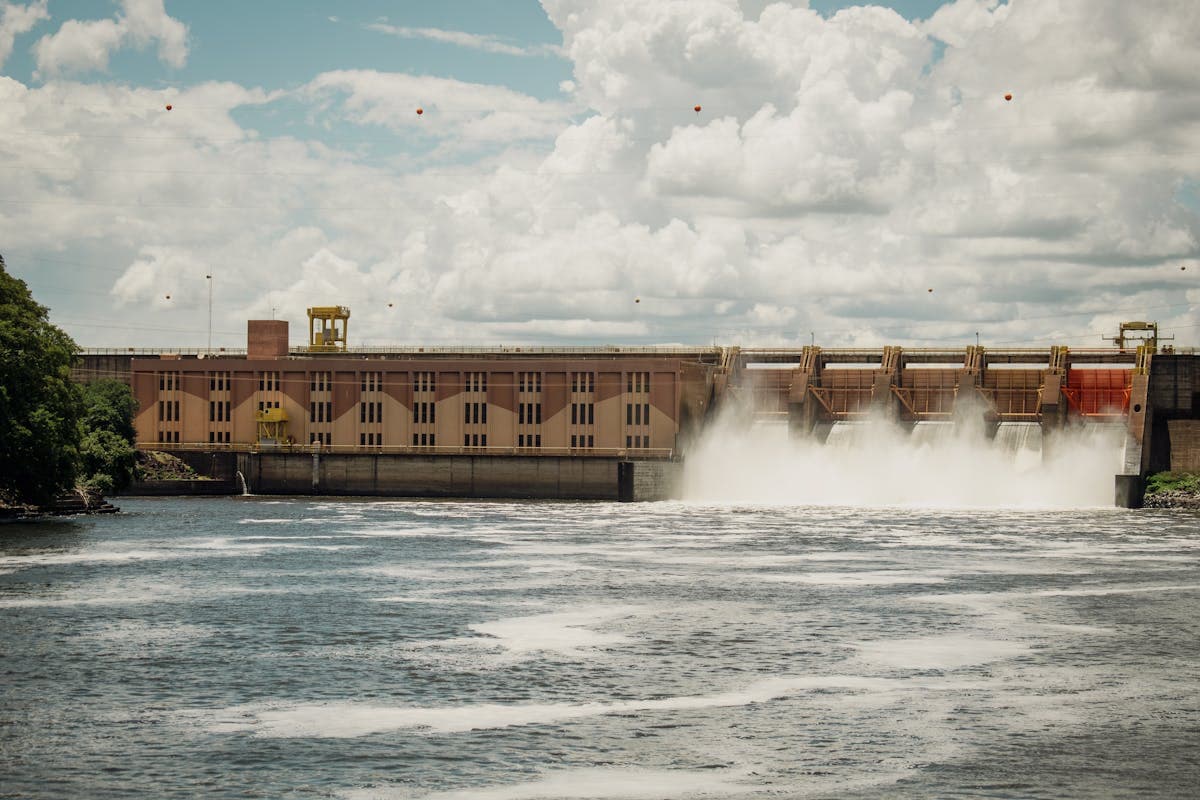
Holter Dam controls flows on the entire tailwater, keeping the Missouri fishable when other Montana rivers blow out
Lower Section: Tower Rock to Cascade (13 miles)
Below Tower Rock the river broadens onto the Great Plains. The water slows considerably, with many wadeable channels and islands. This section holds fewer fish per mile (roughly 1,100 rainbows and 238 browns over 10 inches, per FWP surveys), but the fish can be larger and you'll see far fewer anglers.
Half Breed Rapids, the only notable rapid on the entire tailwater (Class II at most), sits about 10 miles upstream from Cascade. Otherwise the lower section is flat, slow, and perfect for sight-fishing to cruising trout.
Key access points:
Prewett Creek (mile 22.4)
Pelican Point (mile 25.9)
Cascade (mile 35.0)
Flow Windows
Dam releases from Holter Dam control the entire fishery. Understanding flow ranges is critical for planning your trip.
CFS Range
Conditions
Best For
Below 3,500
Low flows; shallow side channels; excellent wading
Walk-and-wade anglers; sight fishing
3,500-5,000
Good flows; all sections accessible
Dry fly fishing; general float trips
4,500-6,000
Ideal range; side channels open
Peak dry fly; perfect floating conditions
6,000-8,000
Higher water; stronger current
Nymphing; streamer fishing from drift boats
Above 8,000
High water; challenging anchoring
Experienced rowers only; strong streamer fishing
Track current Missouri River flows on RiverReports before making the drive. Flow changes from the dam can take 4-6 hours to reach Cascade, so the upper and lower sections may fish differently on the same day.
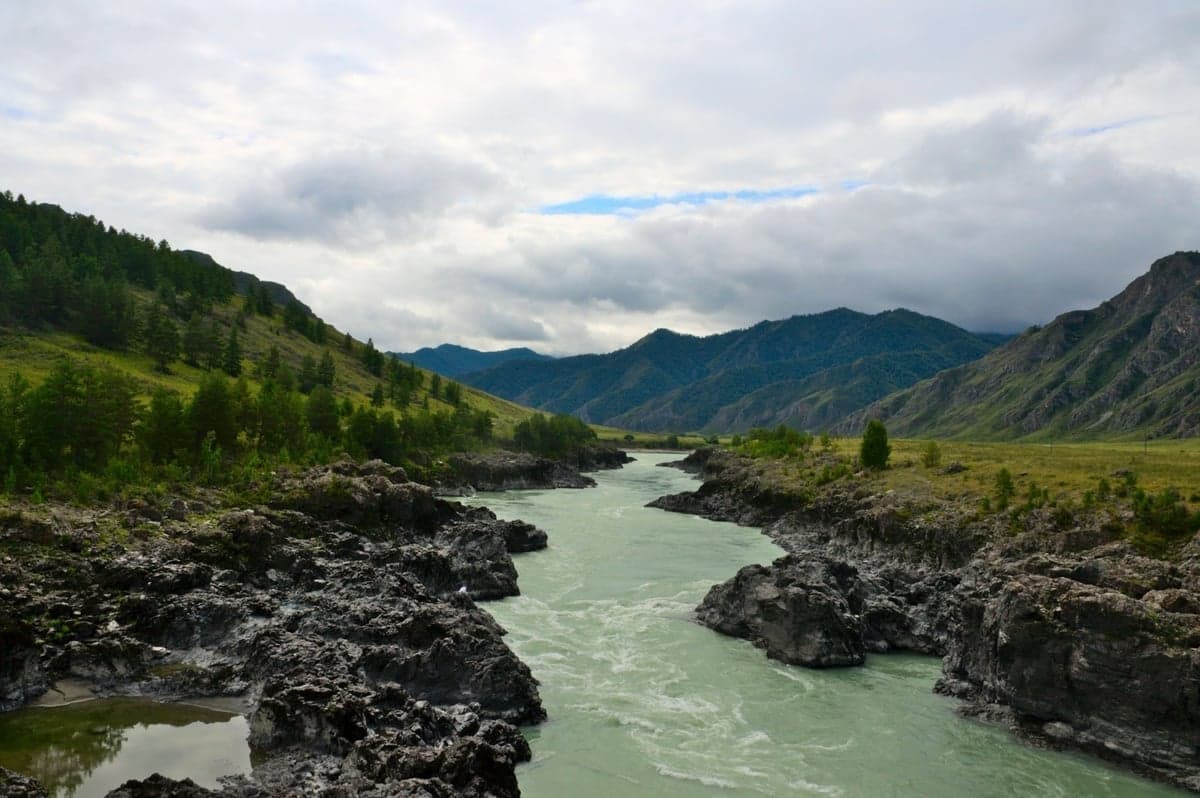
The Missouri winds through rolling Montana hills between Craig and Cascade
Hatches and Fly Patterns
The Missouri's hatch calendar is one of the most diverse and predictable of any Western tailwater. Here's what to expect month by month, based on reports from Headhunters Fly Shop, Living Water Guide Service, and local guides.
March-April: Early Season
Spring starts slow with midges and scuds, then builds. By late March, Blue-Winged Olives (BWOs) begin appearing on overcast days, and Skwala stonefly nymphs become active along the banks.
Key flies:
Zebra Midge #18-22 (black, red, olive)
Pink Scud #14-16
Sow Bug #14-16
BWO Parachute #16-20
Pat's Rubber Legs #8-10 (Skwala nymph)
Tip: Nymphing dominates early season. Fish deep with two-fly rigs targeting the bottom 6-12 inches. On warmer overcast afternoons, watch for BWO activity in slower water.
May: The Season Ignites
May is when the Missouri transforms. March Browns and the famous "Mother's Day Caddis" hatch overlap with continued BWOs, creating multi-course surface feeding. This is many anglers' favorite month.
Key flies:
Elk Hair Caddis #14-16
X-Caddis #14-18
March Brown Comparadun #12-14
BWO Cripple #16-20
Griffith's Gnat #18-22
Tip: Fish a caddis dry with an emerger dropper. The emerger pattern often outperforms the adult, as trout target struggling insects just below the surface.
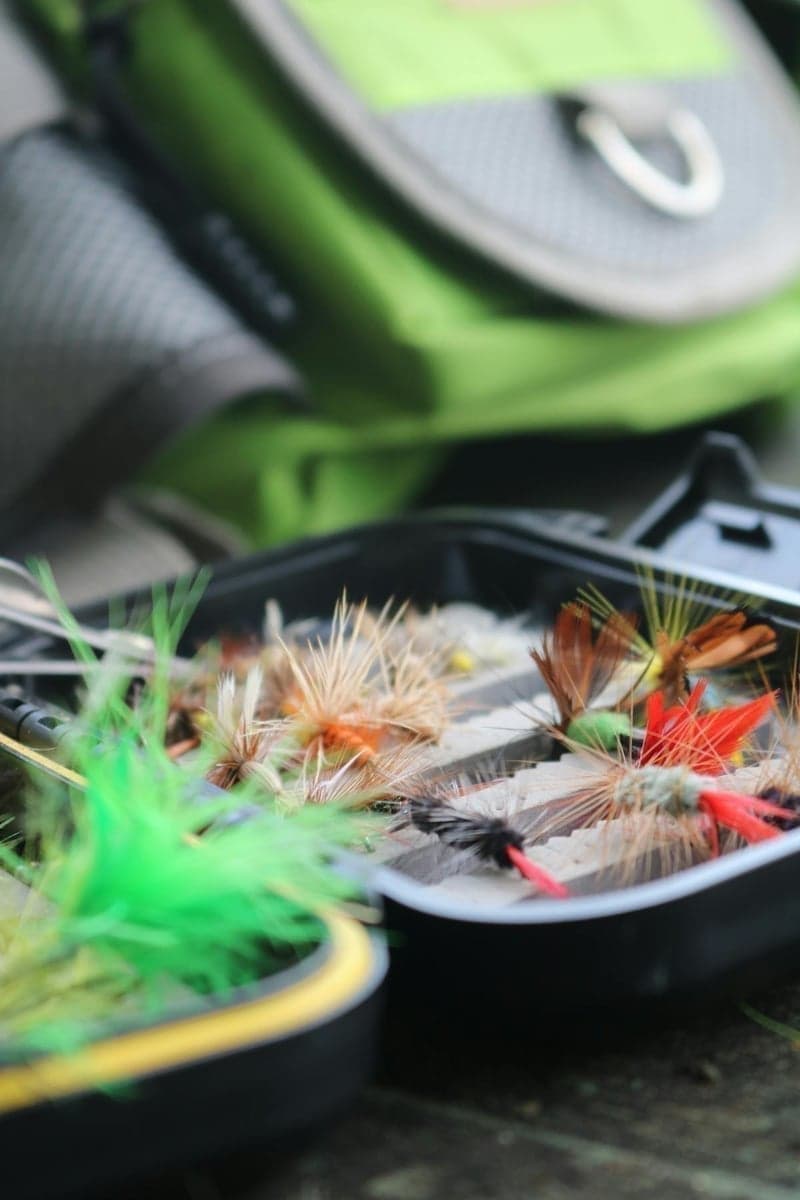
A well-stocked fly box for the Missouri should cover midges, BWOs, caddis, PMDs, and Tricos
June: PMDs and Peak Caddis
Pale Morning Duns (PMDs) start appearing by mid-June, overlapping with the tail end of the caddis hatch. This creates exceptional dry fly fishing, though June is also the busiest month on the river.
Key flies:
PMD Comparadun #14-18
PMD Cripple #16
Rusty Spinner #16
CDC Caddis #14-18
Yellow Sally Nymph #12-16 (canyon sections)
Tip: PMD cripples and spinners consistently outperform standard dun patterns. Trout target the vulnerable, struggling insects rather than healthy adults sitting on top of the water.
July-August: Tricos and Terrestrials
Late July brings the Trico hatch, one of the Missouri's signature events. Tiny mayflies (#18-22) blanket the water at dawn, creating dense spinner falls that bring up every fish in the river. By midday, terrestrials (hoppers, ants, beetles) take over.
Key flies:
Trico Spinner #18-22
Hi-Vis Trico #20
Morrish Hopper #8-12
Chubby Chernobyl #8-10
Parachute Ant #14-18
Tip: Trico fishing demands precision: 12-14 foot leaders tapered to 5X-6X, drag-free drifts, and downstream presentations. The fish feed in pods, and you need to target individuals rather than blind casting. After 10am when the Trico fall ends, switch to hoppers and banks.
September-October: Fall Revival
Cooling temperatures trigger a second BWO emergence and the arrival of October Caddis (#8-10). Streamer fishing becomes increasingly productive as brown trout turn aggressive ahead of their November spawn.
Key flies:
BWO Parachute #18-22
October Caddis Dry #8-10
Stimulator (orange) #8-10
Woolly Bugger #4-8
Articulated streamer patterns #2-6
Tip: Fall on the Missouri is arguably the best overall fishing of the year. Fewer anglers, aggressive fish, and overlapping hatches make September and October prime months for planning a trip.
A woolly bugger, one of the most versatile streamer patterns for Missouri River browns in fall
November-February: Winter Fishing
The Missouri fishes well even in winter, thanks to dam-controlled water temperatures that stay warmer than the ambient air. Deep nymphing with midges, sow bugs, and scuds is the primary approach. On warmer days, streamer fishing produces some of the largest fish of the year.
Tip: The best winter fishing window is typically 11am to 3pm when water temps peak. The Missouri has earned a reputation as "the Trout Spey center of the West" for its excellent winter swing fishing using Skagit and Scandi lines.
Fishing Techniques
Nymphing
The most productive year-round technique on the Missouri. Simple right-angle indicator rigs work well, with depth management being the critical factor. Use 4X-5X fluorocarbon tippet and adjust your indicator frequently to keep flies in the bottom third of the water column.
Standard two-fly setups work best: a larger attractor nymph (like a Pat's Rubber Legs or Girdle Bug) on the point, with a smaller midge or emerger pattern trailing 12-18 inches behind.
Dry Fly
This is what makes the Missouri famous. When hatches are on, the river becomes a dry fly paradise with pods of rising fish scattered across every run. Success requires:
Long leaders (12-14 feet minimum, tapered to 5X-6X)
Downstream presentations for finicky fish
Accurate casts to individual rising fish rather than blind coverage
Pattern matching, particularly during PMD and Trico hatches
Streamer Fishing
The Missouri's streamer game focuses on smaller patterns (size 2-6) imitating sculpins, crawdads, and juvenile trout. Spring and fall are peak seasons, with cloudy days and rising water producing the best action. Sink-tip lines help get patterns down in the deeper runs.
Spey and Swing Fishing
The Missouri has become one of the premier Trout Spey destinations in North America. Two-handed rods in the 3-5 weight range allow anglers to fish soft hackles (#16), small streamers, and articulated patterns through the long runs effectively. November is peak Spey season.
Fish Population Data
Montana FWP conducts electrofishing surveys on the Missouri regularly, providing some of the best long-term population data of any Western river.
Section
Rainbow Trout/Mile
Brown Trout/Mile
Status
Craig
~2,680
~680
Below long-term avg of 3,400 / 570
Cascade
~1,100
~238
Below long-term avg of 1,600 / 390
Population estimates for fish over 10 inches. Numbers fluctuate year to year based on runoff conditions, spawning success, and other factors.
Despite recent survey dips, the Missouri still holds trout in the thousands per mile, far exceeding most Western rivers. FWP health assessments found that of nearly 8,000 adult trout captured in recent fall surveys, only three showed signs of infection, indicating excellent overall fish health.
Species you'll encounter:
Rainbow trout (primary): Average 14-20 inches; seldom exceed 22 inches
Brown trout: Average 16-22 inches; fish over 20 inches not uncommon
Mountain whitefish: Larger than typical Montana rivers; often caught nymphing
The Missouri River tailwater sits between Helena and Great Falls in central Montana, running parallel to Interstate 15. Craig, the hub of the fishing community, is roughly:
35 miles north of Helena
55 miles south of Great Falls
200 miles northwest of Bozeman
115 miles southeast of Missoula
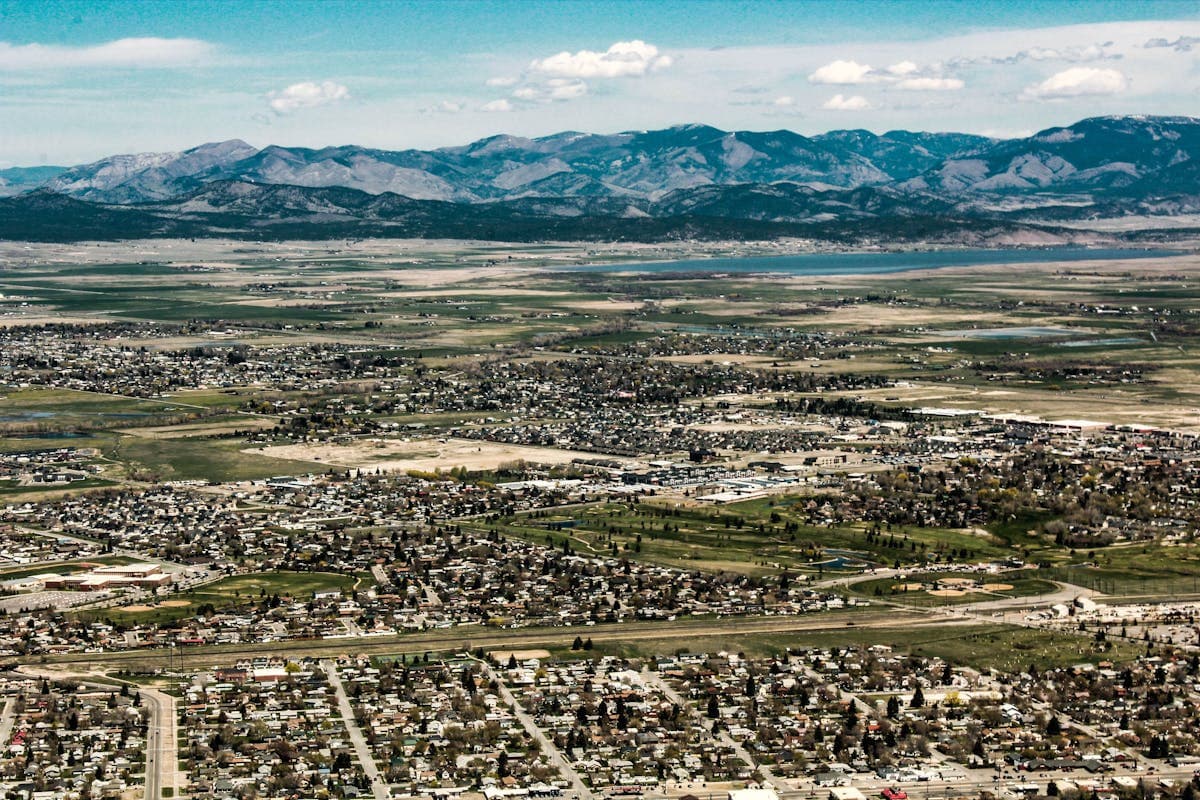
The Helena valley, about 35 miles south of Craig, with the Big Belt Mountains in the distance
Float Distances and Times
Most anglers fish from drift boats, which is the most effective way to cover water. Common float sections:
Float
Distance
Approximate Time
Holter Dam to Craig
7.8 miles
4-5 hours fishing
Craig to Stickney Creek
3.7 miles
2-3 hours fishing
Craig to Mid Cannon
7.4 miles
5-6 hours fishing
Craig to Mountain Palace
13.4 miles
Full day
Mountain Palace to Cascade
13.8 miles
Full day
Shuttle services are available through Headhunters Fly Shop and other Craig-based operations. Arrange shuttles ahead of time, particularly during peak summer months.
Wading Access
Walk-and-wade anglers can access productive water from several points. The best wading opportunities are at low to moderate flows (below 4,500 CFS). Wade the upper section near Holter Dam and Craig for the highest fish density, or try the lower section near Cascade for fewer crowds and wadeable side channels.
Wading safety: The Missouri's bottom is a mix of gravel and silt with occasional deep drop-offs. Use a wading staff and felt-soled or studded boots. Do not attempt to wade across the main channel at any flow level.
Boat Types
Drift boats: The standard for guided and self-guided float trips
Rafts: Work well, particularly for camping float trips
Pontoon boats and inflatable kayaks: Good for solo anglers
Float tubes: Not recommended anywhere on the Missouri due to wind and current
Lodging and Services
Craig and Wolf Creek offer the closest lodging. Options range from basic cabins to full-service fly fishing lodges:
Craig area: Cabins, vacation rentals, and riverside lodges. Missouri River Lodge in Wolf Creek offers all-inclusive packages.
Helena: Full hotel and restaurant options, 35 minutes south
Great Falls: More options, 55 minutes north
Fly shops in Craig carry everything you need and provide current fishing reports. Wolf Creek Angler and Headhunters are the two primary shops, both offering guided trips, drift boat rentals, shuttle services, and daily fishing reports.
Guided Trips
For first-time visitors, a guided float trip is the most efficient way to learn the river. Multiple outfitters operate on the Missouri, including:
Headhunters Fly Shop (Craig): The largest operation on the river, with decades of experience
Missouri River Expeditions (Clancy): 25+ years on the Missouri; also offers trips on the Smith and Dearborn rivers
Living Water Guide Service (Craig): Orvis-endorsed; specializes in jet boat access to the "Land of Giants" section below Hauser Dam
Yellow Dog Flyfishing Adventures books premium lodge-and-guide packages on the Missouri for anglers who want an all-inclusive experience. Premium lodges include the Lodge at Eagle Rock and Missouri River Ranch.
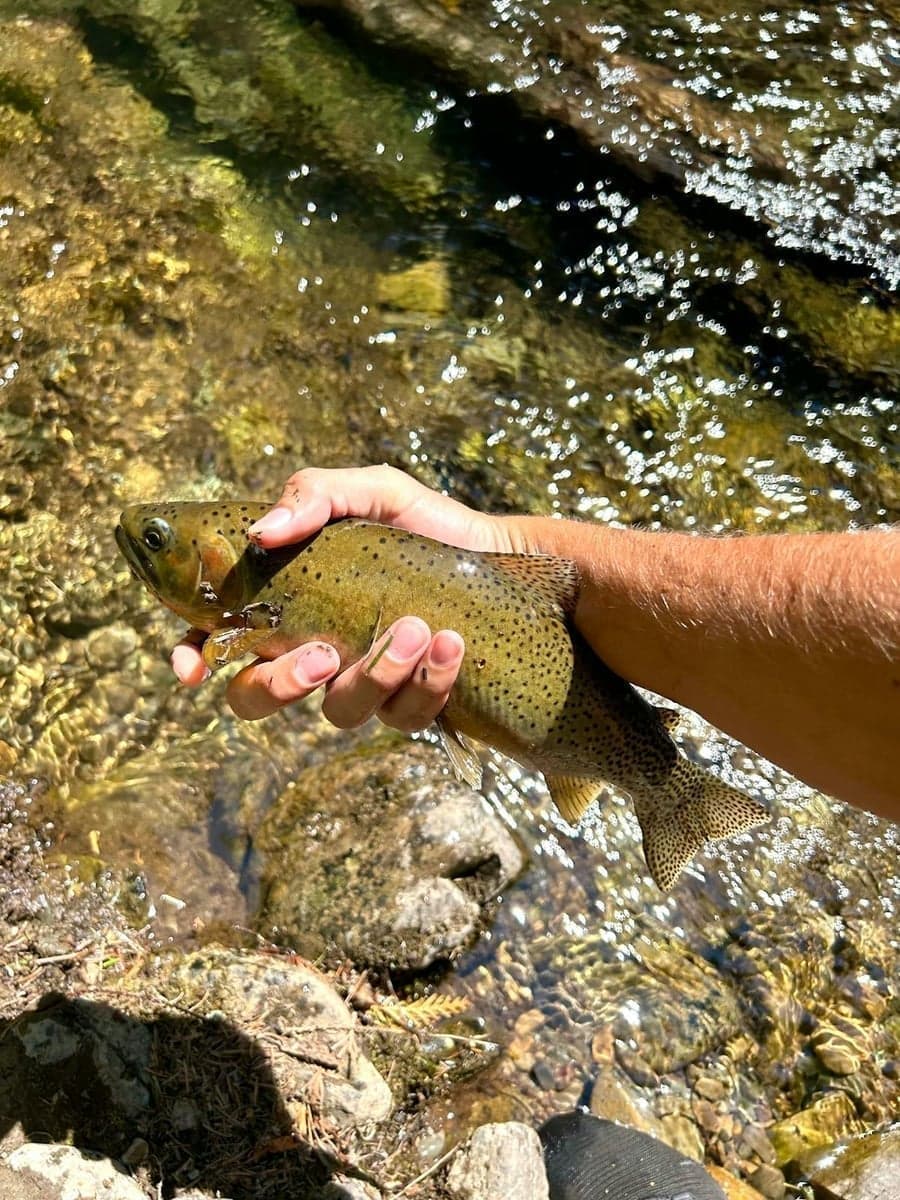
A Missouri River trout held streamside before release. Rainbows average 14-20 inches, with browns often exceeding 16.
The Land of Giants
One section worth special mention: the roughly 20-minute stretch below Hauser Dam, upstream of Holter Reservoir. Known as the "Land of Giants" or L.O.G., this short reach holds predominantly rainbow trout averaging 18-22 inches, with fish exceeding 24 inches not unusual.
Access requires a jet boat from Montana Trout on the Fly or similar outfitters. The L.O.G. fishes best in April-May and mid-October through November. This is not the main tailwater section, but it's worth knowing about if you're chasing trophy fish.
Floating and Paddling
The Missouri tailwater is popular with non-fishing floaters too. The 35-mile stretch from Holter Dam to Cascade is gentle water, suitable for drift boats, rafts, canoes, and inflatable kayaks. There are no significant rapids other than Half Breed Rapids (Class II) in the lower section near Cascade.
For extended paddling trips beyond the tailwater, Missouri River Outfitters in Fort Benton has operated since 1965, offering multi-day canoe trips through the White Cliffs section and Upper Missouri River Breaks National Monument. These trips cover 14-20 miles per day on gentle, flat water with no rapids.
Float etiquette: Respect wade anglers by floating on the opposite side of the river. Avoid anchoring in productive seams; use eddies instead. Keep noise down when passing through fishing water.
Brown trout: Only 1 brown trout per day may be kept
Season: Open year-round
Methods: Artificial flies and lures (no bait in this section)
License Requirements
All anglers 12 and older need:
Montana Conservation License
Aquatic Invasive Species (AIS) Prevention Pass
Base Fishing License
Nonresident costs (2026): Season license $117.50; 5-day license $73.50. Purchase online through the Montana FWP licensing system before your trip.
Hazards and Safety
The Missouri is a big, powerful river. Take these seriously:
Wind: Central Montana is notoriously windy. Gusts can make rowing difficult and create dangerous whitecaps on the broader sections. Check forecasts before launching.
Cold water: Tailwater temperatures stay in the 40s-50s even in summer. Hypothermia is a real risk for anyone who ends up in the water. Wear a PFD when floating.
Wading depth: The Missouri's gravel bottom drops off sharply in places. As you wade deeper, buoyancy reduces your effective weight. Stay conservative.
Boat traffic: Peak summer weekends see heavy drift boat traffic, particularly between Holter Dam and Craig. Stay aware of other boats, especially at popular access points.
Strainers and debris: Fallen trees and submerged logs appear throughout the river. Give them wide clearance.
Seasons at a Glance
Season
What to Expect
Crowd Level
March-April
Nymphing, early BWOs, Skwalas; water temps climbing
Low
May
Caddis hatch, March Browns, first strong dry fly; variable conditions
October Caddis, fall BWOs, aggressive pre-spawn browns
Moderate-Low
November-February
Winter nymphing, Trout Spey, midges; cold but productive
Low
What's on the menu
Everything this river feeds, by month. Filter by bug, category, or fly size, and switch the axis to see what comes off at what time of day. Pulled from our western hatch and forage guide.
Taller and darker means heavier emergence. Hover any row for how long it lasts, how much the timing moves, and what to tie on.
Window vs shapeTwo different things are stacked on each row. The window is specific to these rivers, taken from fly shop and outfitter hatch charts, guide reports, and our own river guides. The shape of the curve is the insect's typical emergence profile from published sources, drawn across that window. It models a normal year, not this year. Dashed bars mean we have timing but no sourced emergence profile, so no curve is drawn.The three categoriesHatches are aquatic insect emergences. Terrestrials are land insects that end up in the water: hoppers, ants, beetles, spruce moths, cicadas. Forage is everything else on the menu, from mysis and sowbugs to crayfish, eggs, sculpins, and mice. Forage is available whether or not anything is emerging, so it sits outside the “how much is on” totals, which measure bug activity only.
Using RiverReports
Track real-time Missouri River flows on RiverReports. The two key gauges to watch are:
Missouri River below Holter Dam (near Wolf Creek): Shows what the upper tailwater section is doing right now
Missouri River at Cascade: Shows conditions in the lower section
Compare current readings against the flow windows table above to assess conditions before your trip. Flows between 4,500 and 6,000 CFS generally produce the best dry fly fishing, while higher flows favor nymphing and streamer techniques.
During peak season (June-August), check flows daily. Dam releases can change quickly, and a 2,000 CFS swing in a single day is not unusual. What fishes well in the morning may be a different river by afternoon.