Best Time to Fly Fish: Peak Seasons & Hatches for Every State
A state-by-state breakdown of peak seasons, hatches, and optimal flow ranges
Greg Lamp
January 6, 2026
9 min read
I once drove nine hours to fish the Roaring Fork in early April. The fishing report said "pre-runoff magic." What I found was chocolate milk running at 2,400 CFS, three times the fishable level. I spent the day staring at a blown-out river and eating gas station burritos.
Timing a fly fishing trip isn't just about picking the right month. It's about understanding flows, hatches, and water temps for your specific destination. Get it right and you'll hit prime conditions with fewer crowds. Get it wrong and you'll be telling your own burrito story.
This guide breaks down the best windows for each region, including the flow ranges and water temps that actually matter.
The West: Big Water, Big Hatches
Montana runs on a seasonal clock that western anglers know by heart. Mid-March through April brings the Skwala stonefly hatch, one of the first dry fly opportunities of the year. The Mother's Day caddis (late April through early May) produces blanket hatches when you time it right.
The Madison River fishes best between 800-1,400 CFS for wading. During peak summer (early July through late July), expect caddis, golden stones, yellow sallies, and pale morning duns. Dry-dropper rigs dominate.
October changes everything. Browns get aggressive as they prepare for November spawns. Trophy fish (10 to 15 pounds) run out of Hebgen and Ennis reservoirs into the Madison and Upper Missouri. Target flows between 900-1,200 CFS on the Madison during the fall run. Water temps dropping below 55°F triggers the migration.
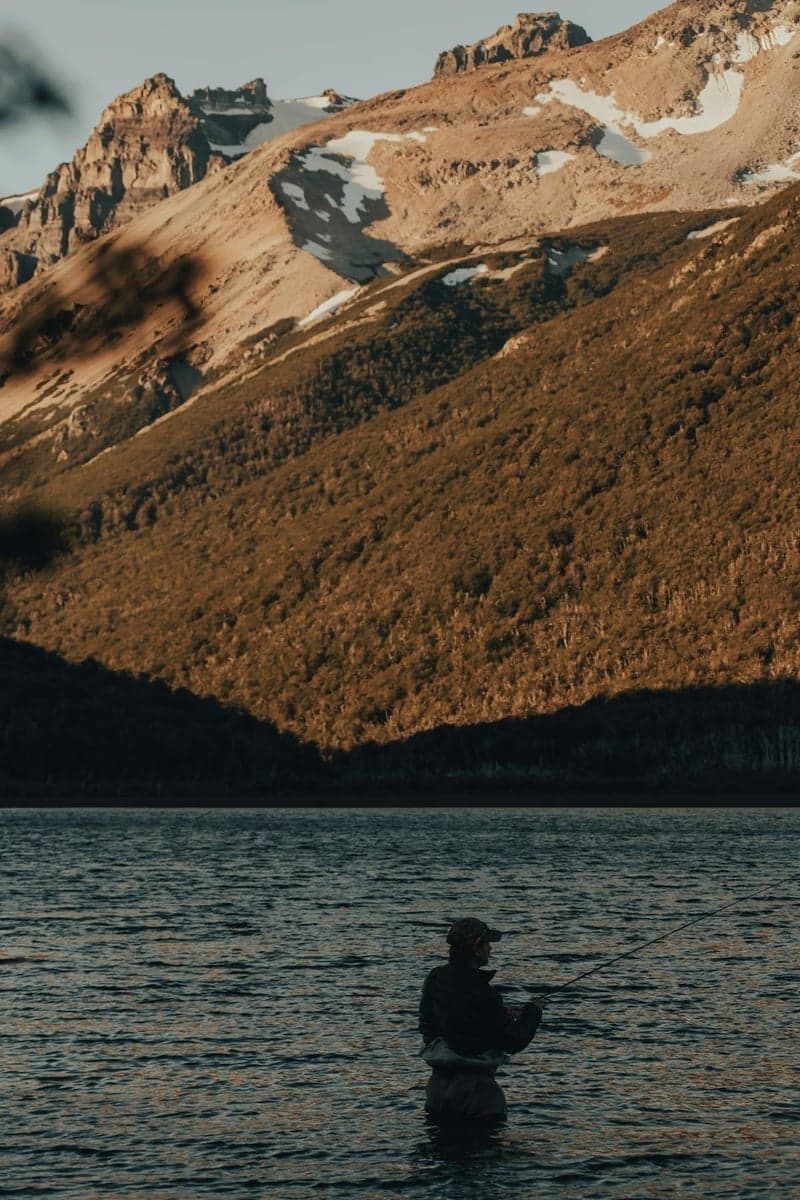
Evening light on western water—prime time for dry fly action when temps cool and hatches intensify
Colorado offers similar patterns with key differences. Pre-runoff (late February through mid-April) on the Colorado, Roaring Fork, and Eagle rivers can be exceptional if you watch the flows. The Roaring Fork fishes well between 400-800 CFS. Above 1,000 CFS, visibility drops and wading gets sketchy.
Mid-June through early August is prime time once runoff subsides. The Arkansas River below Salida fishes best at 400-700 CFS for dry fly action. Check current Colorado conditions before planning a trip during transition periods, since runoff timing varies by snowpack.
Fall in Colorado gets overlooked. Crowds disappear after Labor Day, colors peak, and trout feed aggressively before winter. Water temps between 45-55°F keep fish active all day instead of just mornings and evenings.
Wyoming shares the Yellowstone ecosystem with Montana. The Green River below Fontenelle Dam typically opens around mid-June, fishing best at 1,500-2,500 CFS. The Bighorn River near Fort Smith is excellent in summer for dry flies, and optimal flows run 2,500-4,000 CFS. Winter through spring can be surprisingly productive when other waters are frozen or blown out.
The Pacific Northwest: Steelhead and Salmon Country
The Northwest runs on anadromous time. Resident trout fishing is excellent, but steelhead and salmon drive the calendar.
Washington breaks into winter and summer runs. December through April targets winter steelhead on the Olympic Peninsula rivers. These fish average 8-15 pounds and fight hard in cold water. June through August is summer steelhead season, with more acrobatic fish in the 6-10 pound range.
August through November brings salmon and steelhead together on Columbia River tributaries. For trout, May is prime in lakes. Chironomids and damselflies bring fish to the surface when water temps hit 50-58°F.
Oregon follows a similar steelhead pattern. Winter steelhead fishing peaks in March. The Deschutes River is nearly year-round for trout and steelhead, and it fishes best between 3,500-5,500 CFS. May's salmonfly hatch is legendary: size 4-8 stoneflies bring the biggest fish to the surface.
Fall salmon fishing in coastal bays and estuaries kicks off in late August when fall rains raise river levels. Watch for the first significant rain after Labor Day. That's often the trigger.
Alaska operates on its own schedule. Rainbow trout and Dolly Varden take dry flies, nymphs, and streamers through July. Peak sockeye runs hit around mid-July on the Kenai and Russian rivers.
The real magic happens from late August through early October, the "bead bite" period. Salmon spawn, eggs drift downstream, and trout gorge themselves. Anglers regularly hook 30-40+ fish in a single day swinging egg patterns. September is prime for combo fishing: silvers and 20-inch rainbows in the same outing.
The Midwest: Underrated and Productive
Don't sleep on the Midwest. These states hold more wild trout water than most anglers realize.
Michigan peaks in May and June. June is the dry fly month. Hatches maximize, water temps hit the optimal 55-65°F range, and fish feed actively on the surface. The Au Sable River fishes best at 300-600 CFS.
The big event is the Hex hatch (Hexagenia Limbata) in late June through early July. These giant mayflies (size 6-8) emerge after dark on rivers like the Au Sable, Manistee, and Pere Marquette. Fish that ignore everything else all year will slash at Hex spinners on warm, calm nights. Bring a headlamp and 2X tippet.
May hatches include Hendricksons, little black stones, and caddis. By mid-summer, terrestrials (hoppers, ants, beetles) keep trout looking up even when aquatic hatches slow.
Wisconsin shares Michigan's hatch calendar. The Driftless Area in the southwest offers spring creek fishing that rivals anything out west, with spring-fed streams running 48-52°F year-round. Green drakes hatch from late May into early June. Tricos appear in July and run through September for technical morning fishing.
Wisconsin has over 13,000 miles of trout streams. Brook trout in the north, browns and rainbows throughout. Many Driftless streams fish well at just 15-50 CFS, intimate water where a drag-free drift matters more than distance.
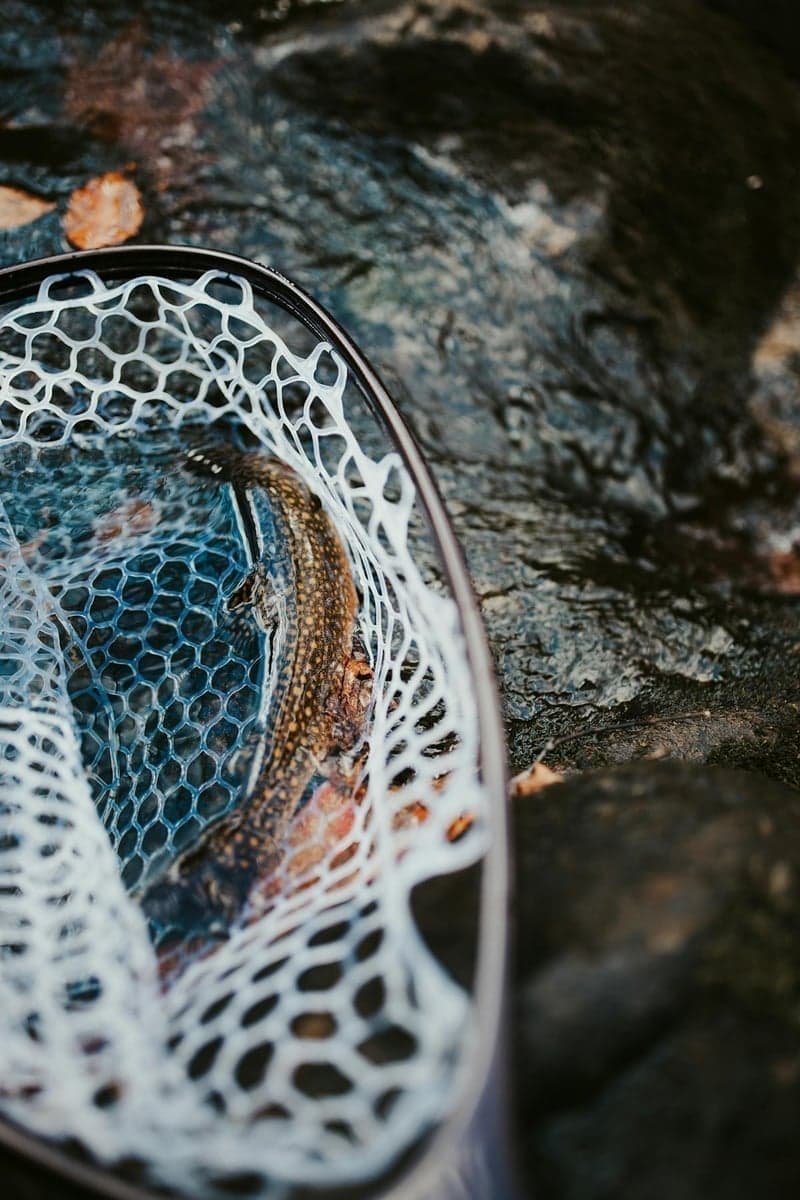
A trout in the net—the reward for timing your trip right
The Northeast: Classic Trout Water
Eastern streams wrote the playbook for American fly fishing. The water runs more technical, but the tradition runs deep.
New York peaks in spring. May is exceptional. The Catskills rivers (Beaver Kill, Willowemoc Creek, West Branch of the Ausable) fish well when flows stabilize between 200-500 CFS. The Western Catskills may hold one of the best wild trout fisheries in the Northeast.
Summer requires adapting. Water temps in larger Adirondack rivers push into the upper 60s. Above 68°F, trout stress and shouldn't be targeted. Find cold tributaries, fish early (before 9am) and late (after 6pm), or focus on tailwaters where dam releases keep temps in the safe zone.
Pennsylvania is trout country year-round, though classic hatch fishing concentrates in spring and early summer. Spring Creek near State College is a premier destination, with more wild brown trout per mile than anywhere else in the state. It fishes best at extremely low flows: 30-80 CFS. Summer evenings stay productive with caddis and olives when water temps stay below 65°F.
Winter steelhead on Lake Erie tributaries (Twenty Mile Creek, Elk Creek) run from late September through February, an often-overlooked fishery within driving distance of millions.
Vermont runs a traditional season from May through October. The Battenkill is legendary for its difficulty. Educated fish in clear water demand perfect presentations. It fishes best at 150-300 CFS. For detailed coverage of the Battenkill, White River, Winooski, Deerfield, and more, see our full Vermont fly fishing guide.
Fall fishing is underrated: foliage peaks, crowds disappear, and fish eat aggressively before winter. Water temps between 50-58°F mean all-day activity instead of just morning and evening windows.
The South: Year-Round Opportunities
Southern fly fishing operates differently. No closed season. Tailwaters keep water cold year-round. The calendar flips the script.
Arkansas offers year-round trout fishing on tailwaters like the White River. Summer is actually prime time because cold water from Bull Shoals Dam (48-55°F) creates comfortable conditions even when air temps hit 95°F. Low water periods in summer and fall concentrate fish and make wading easier.
The White River below Bull Shoals is considered blue ribbon water, with fish averaging 12-16 inches and plenty of 20+ inch browns. Target minimum generation flows (500-1,500 CFS) for wading, but check the generation schedule, because flows can jump to 20,000+ CFS within hours.
Tennessee and North Carolina share the Great Smoky Mountains. Late spring (March through May) produces the best hatches on streams like the Little River and Nantahala. Fall stays productive through November with mild temps and aggressive pre-winter feeding.
The Smokies hold native southern Appalachian brook trout in headwater streams above 3,000 feet elevation. Summer requires hiking to these higher waters where temps stay below 60°F. Lower elevation streams fish better in spring and fall.
Quick Reference: Peak Times and Flows
| Region | Peak Months | Optimal Flows | Water Temp |
|---|---|---|---|
| Montana (Madison) | July, October | 800-1,400 CFS | 50-60°F |
| Colorado (Arkansas) | March-April, July-Aug | 400-700 CFS | 45-58°F |
| Oregon (Deschutes) | May-Sept | 3,500-5,500 CFS | 50-62°F |
| Alaska | Aug-October | Varies | 45-55°F |
| Michigan (Au Sable) | May-June | 300-600 CFS | 55-65°F |
| Northeast (Catskills) | May | 200-500 CFS | 50-60°F |
| Arkansas (White) | Summer, Fall | 500-1,500 CFS | 48-55°F |
| Great Smokies | March-May, Oct-Nov | 50-200 CFS | 50-60°F |
Track Conditions Before You Go
The right month means nothing if you show up to blown-out water or temps above 68°F. I learned that lesson on the Roaring Fork, and a few other rivers since.
RiverReports tracks flows across all 50 states. Save your target rivers to your favorites so you'll know when flows drop into the sweet spot. Set alerts for the CFS ranges in the table above, and you'll stop guessing and start timing trips to actual conditions.
The fish are there. You just need to show up when the water's right.
Frequently Asked Questions
What is the best time for fly fishing?
The best fly fishing is generally spring (April-June) and fall (September-November) in most states. These seasons align with major insect hatches, moderate water temperatures, and fishable flows. However, the ideal timing varies dramatically by region. Montana's peak is July, while Arizona's tailwaters fish best in winter. Check the state-specific tables above for precise windows.
When should you not fish for trout?
Avoid fishing for trout when water temperatures exceed 68°F, as catch-and-release mortality increases significantly above this threshold. Peak summer midday heat on freestone rivers is the worst time. Also avoid fishing during spring runoff when rivers run high and muddy, typically April through early June in mountain states. Tailwaters are the exception, fishing well year-round due to cold dam-release water.
Get River Intel Weekly
Flow updates and fishing intel delivered every Thursday.
River Intel Weekly
Weekly flow updates and fishing intel.
© 2026 RiverReports, Inc.