Bighorn River Fly Fishing: Montana's Blue-Ribbon Tailwater Below Yellowtail Dam
MT
intermediate
The Bighorn River doesn't look like much from the highway. An hour south of Billings, you turn off the interstate at Hardin and drive through open grasslands on a two-lane road that dead-ends at Fort Smith, a town of about 100 people. Nothing about the landscape suggests exceptional trout fishing. Then you walk down to the Afterbay and see the water: cold, clear, and teeming with sow bugs, scuds, and rising trout. The Bighorn holds over 2,000 wild trout per mile below Yellowtail Dam, fed by some of the most reliable hatches in the West. It's one of Montana's great fisheries, tucked into a corner of the state most tourists never visit.
CDC Trico #20Trico Spinner #20-24CDC Black Caddis #16-18Bubbleback Caddis #18
Flows holding steady at ~1,500 CFS as of August 25—USGS gauge 06287000—stable and well below the historical median (~4,900 CFS) for late August, sitting around the 10th percentile. Per Bighorn Angler's August 16 report, Forrester's late-July report, and the August 16-23 Montana Outdoor report, the river remains locked in its late-summer sweet spot with strong bug activity across the board. Water clarity excellent—crystal clear below the Afterbay with afternoon moss and drifting grass below Three Mile FAS requiring anglers to target clean lanes between weed beds. Water temps running 47-52°F near the Afterbay Dam, warming to 55-58°F in downstream sections—prime feeding temperatures throughout the system. Heat wave persisting with air temps pushing into the low 100s°F, compressing the productive fishing window into early morning and evening; plan accordingly and avoid stressing fish in warm shallows during peak afternoon heat. However, Montana FWP has been lifting hoot-owl restrictions on many western Montana streams as temperatures moderate—the Bighorn as a tailwater has not been subject to closures, but monitor FWP announcements if extreme heat returns. Trico spinner falls remain the marquee morning event—tiny black-bodied mayflies #20-24 mating and dying on the surface in clouds, trout feeding in pods in flats and tailouts; best window 6:30-9:30am with 12-14 foot leaders and 5X-6X tippet for downstream presentations to individual risers. Black caddis now firmly the dominant evening hatch—peak activity before and after sunset producing splashy rises in riffles and faster water; CDC Black Caddis #16-18, Corn-fed Caddis CDC Peacock #18, and Poodle Sniffer the go-to evening patterns; skate-and-twitch techniques with CDC Peacock during midday caddis flights also producing. PMDs (#16-20) still showing late-morning to early-afternoon hatches but nearing the end of their run. Tan caddis present but fading. Late-August transition accelerating: Baetis/BWO activity strengthening in evenings (#18-22)—building toward the fall hatch cycle that will be dominant through September and October. Terrestrials now at peak effectiveness—hopper-dropper rigs (Chubby Chernobyl #10-12 or Dave's Hopper #8-10 with Parachute Ant #14-18 or Foam Beetle #14-18 dropper) producing aggressive bankside strikes; cast tight to undercut banks with a deliberate splat and delay the hook set. Nymphing remains productive all day, especially during the midday heat window (10am-3pm): Tungsten Tailwater Sowbug (Rainbow) #10 as point fly with Tungsten Pheasant Tail #18-20 or Black Zebra Midge #18-22 dropper, set 4-5 feet under an indicator in deep seams and drop-offs. Scuds and sowbugs remain foundation patterns per Fort Smith shops. At ~1,500 CFS wade fishing in the upper 3 miles is very easy—fish concentrated in classic seams and tailouts. Float fishing functional but side channels remain shallow. Peak summer angler pressure—weekday trips strongly recommended. Fish population exceptional per recent surveys. Leaders 9-12 feet with 4X-5X fluoro for nymphing, 5X-6X mono for Trico and caddis risers.
🎣 TACTICS RIGHT NOW
Dry Fly
CDC Trico #20Trico Spinner #20-24CDC Black Caddis #16-18Bubbleback Caddis #18Corn-fed Caddis CDC Peacock #18Poodle Sniffer #16-18Elk Hair Caddis #14-16Chubby Chernobyl #10-12Parachute Ant #14-18Dave's Hopper #8-10Foam Beetle #14-18Baetis Parachute #18-22PMD Comparadun #16-20Tan Caddis #16-22Parachute Adams—the Bighorn's late-August dry fly game runs on four windows: Tricos at dawnPMDs and caddis middayterrestrials along banksand black caddis plus strengthening Baetis at dusk; Trico spinner falls remain the marquee morning event—tiny mayflies #20-24 mating and dying on the surface in cloudstrout feeding in pods on spent spinners in flats and tailoutsbest window 6:30-9:30am with 12-14 foot leaders and 5X-6X tippet for downstream presentations to individual risers; black caddis now firmly the dominant evening hatch with peak activity before and after sunset producing splashy rises in riffles—CDC Black Caddis #16-18Corn-fed Caddis CDC Peacock #18and Poodle Sniffer the go-to; skate-and-twitch techniques with CDC Peacock during midday caddis flights also producing; late-August transition accelerating: Baetis/BWO activity strengthening in evenings (#18-22)building toward the dominant fall hatch cycle through September and October; terrestrials at peak effectiveness—hopper-dropper rigs with Chubby Chernobyl #10-12 or Dave's Hopper #8-10 paired with Parachute Ant #14-18 or Foam Beetle #14-18 producing aggressive bankside strikes; cast tight to undercut banks with a deliberate splat and delay the hook set; PMDs (#16-20) nearing the end of their run with late-morning to early-afternoon hatches still producing but fading; at ~1500 CFS fish concentrated in classic seams and tailouts—focus dry fly efforts on defined feeding lanes between drifting grass and moss; persistent heat compresses the productive surface window to early morning and evening
Nymph
Tungsten Tailwater Sowbug (Rainbow) #10 with Tungsten Pheasant Tail #18-20 dropperBlowtorch #12Egan's Thread Frenchie #12-16Caddis Pupa #16-18Black Zebra Midge #18-22Ray Charles Sow Bug #14-16Soft Hackle Sowbug #16-18Orange Scud #14-16Pink Scud #14-16Bead Head Brassie #18-24Green Caddis Larva #14-16Pink Perdigon #16-18Purple Perdigon #16-18—nymphing remains productive all day and is the go-to technique during the midday heat window (10am-3pm) when surface activity slows under persistent high air temps; double nymph rig set 4-5 feet under an indicator with a weighted lead fly followed by smaller trailing patterns; Tungsten Tailwater Sowbug (Rainbow) #10 remains the bread-and-butter meat fly for deep seams and drop-offs per Fort Smith shops; Tungsten Pheasant Tail #18-20 as a micro-profile dropper picking off finicky subsurface cruisers in the crystal-clear water; at ~1500 CFS fish concentrated in classic seamstailoutsand primary channel runs—less weight needed than at higher flows but precise drift through holding water is critical; Blowtorch #12 and Egan's Thread Frenchie #12-16 remain standout point fly alternatives; pink and orange scuds #14-16 and Soft Hackle Sowbugs #16-18 continue as consistent producers; caddis pupa #16-18 and Green Caddis Larva #14-16 increasingly productive as trailing flies given the dominant caddis activity; afternoon moss and drifting grass below Three Mile requires targeting clean lanes and vegetation-free seams; water temps reaching 55-58°F in downstream sections keeping fish active and feeding aggressively; during extreme heat days focus nymphing in shaded pools and deeper main channel seams and avoid stressing fish in warm shallows; 9-12 foot leaders with 4X-5X fluorocarbon tippet
Streamer
Olive Woolly Bugger #6White Woolly Bugger #6Thin Mint Woolly Bugger #6Black Leech #10Coffey's Sparkle Minnow Sculpin #6Olive Zonker #6White Zonker #4-6—streamer fishing is a low-light game in late August given the crystal-clear water at ~1500 CFS; best windows are first light before the Trico fall and the last hour of evening around the black caddis hatch; cloudy days significantly improve takes all day; sinking tips essential; strip slow with long pauses in the deepest pools and channel bends near structure and undercut banks; persistent heat pushes fish into deeper holding lies that respond well to a sculpin or leech swung through the column; lower flows concentrate fish near ambush points; avoid streamer work during peak afternoon heat to minimize fish stress; September is around the corner and brown trout are beginning to transition toward pre-spawn aggression—streamers will become increasingly viable through the next few weeks as fall instincts kick in
Late-August fishing on the Bighorn follows a three-act daily pattern driven by persistent summer heat. Act one—6:30-9:30am: Trico spinner fall remains the marquee morning event; tiny black-bodied mayflies #20-24 mate and die on the surface in clouds, trout feed in pods in flats and tailouts, technical sight fishing with 12-14 foot leaders and 5X-6X tippet for downstream presentations to individual fish; CDC Trico #20 and Trico Spinner #20-24 the weapons. Act two—10am-3pm: PMDs (#16-20) provide fading but still productive late-morning surface windows; switch between hopper-dropper rigs tight to banks (cast with a deliberate splat, delay the hook set) and deep nymphing in shaded pools and main channel seams with sowbug/Pheasant Tail rigs; Chubby Chernobyl #10-12 or Dave's Hopper #8-10 with Parachute Ant #14-18 dropper produces aggressive strikes; skate-and-twitch CDC Peacock during midday caddis flights; avoid stressing fish in warm shallows during peak afternoon heat. Act three—4pm-dark: black caddis hatch firmly dominant before and after sunset producing splashy rises in riffles and faster water; CDC Black Caddis #16-18, Corn-fed Caddis CDC Peacock #18, and Poodle Sniffer the go-to; Baetis/BWO activity strengthening in evenings as the late-August transition accelerates—carry Baetis Parachute #18-22; some of the best surface fishing of the day as the fall hatch cycle begins building. At ~1,500 CFS wade fishing in the upper 3 miles is very easy with fish concentrated in classic seams and tailouts. Float fishing functional but side channels remain shallow. Peak summer angler pressure—weekday trips strongly recommended. The Bighorn as a tailwater has not been subject to hoot-owl closures this season, but monitor Montana FWP announcements.
FORECASTFlows stable at ~1,500 CFS as of August 25—well below the historical median (~4,900 CFS) for late August, sitting around the 10th percentile. Bureau of Reclamation releases remain at minimal baseline with no announced increases. Low flows concentrate fish in classic seams and tailouts, making them predictable and accessible for wading anglers. Per Bighorn Angler (Aug 16), Forrester's (late July), and Montana Outdoor (Aug 16-23), the river is locked in its late-summer sweet spot with strong bug activity across the board. Fish population exceptional per recent surveys. Trico spinner falls continuing with reliable dawn hatches; black caddis firmly the dominant evening hatch. Baetis/BWO activity strengthening in evenings—the late-August transition is accelerating and previewing the fall hatch cycle that will build through September and October. PMDs nearing the end of their run but still producing fading late-morning hatches. Terrestrials (hoppers, ants, beetles) at peak effectiveness. Montana FWP has been lifting hoot-owl restrictions on western Montana streams as conditions moderate; the Bighorn as a tailwater has not been subject to closures this season. Flows expected to hold at current levels through the remainder of August barring Bureau of Reclamation adjustments. Looking ahead to September: expect Tricos to persist, Baetis/BWOs to become the dominant mayfly hatch, caddis to remain active, and brown trout to begin pre-spawn feeding with increasing streamer aggression. Weekday trips strongly recommended to avoid peak summer angler pressure.
Quick Reference
What
When
Key Numbers
Dry fly fishing
April through October
2,500-3,500 CFS ideal; BWOs, PMDs, caddis, Tricos
Nymphing
Year-round
2,000-5,000 CFS fishable; midges, scuds, sow bugs
Streamer fishing
March-April, October-November
Best on cloudy days; Woolly Buggers, leech patterns #4-8
Montana license required (no tribal permit for river)
Artificial lures only; 3 trout daily, only 1 over 18"
Why the Bighorn
The Bighorn River below Yellowtail Afterbay Dam is one of the most productive trout fisheries in the Rocky Mountain West. Cold, nutrient-rich water from Bighorn Lake creates a tailwater that supports over 2,000 wild trout per mile in the upper sections, with the 30-year average sitting around 2,200 fish per mile. Recent surveys have recorded peaks above 2,500 per mile when conditions align.
What separates the Bighorn from other Montana tailwaters is its consistency. The Afterbay Dam smooths out the hydroelectric fluctuations from Yellowtail Dam, delivering steady flows year-round. While freestone rivers across Montana blow out during spring runoff, the Bighorn stays clear and fishable. The river averages 150-250 feet in width with flows typically running 2,000-3,000 CFS, creating a broad, wadeable tailwater loaded with aquatic insects.
The fish quality matches the numbers. Brown trout regularly push 18-22 inches, with fish over 24 inches taken every season. Rainbows average 14-18 inches, with plenty of larger specimens mixed in. Both species are wild, self-sustaining populations that thrive on the river's dense food base. Local guides will tell you the pink scud is the Bighorn's secret weapon. They call it the "guide fly" because it catches fish when nothing else works. That says a lot about a river where the trout eat year-round.
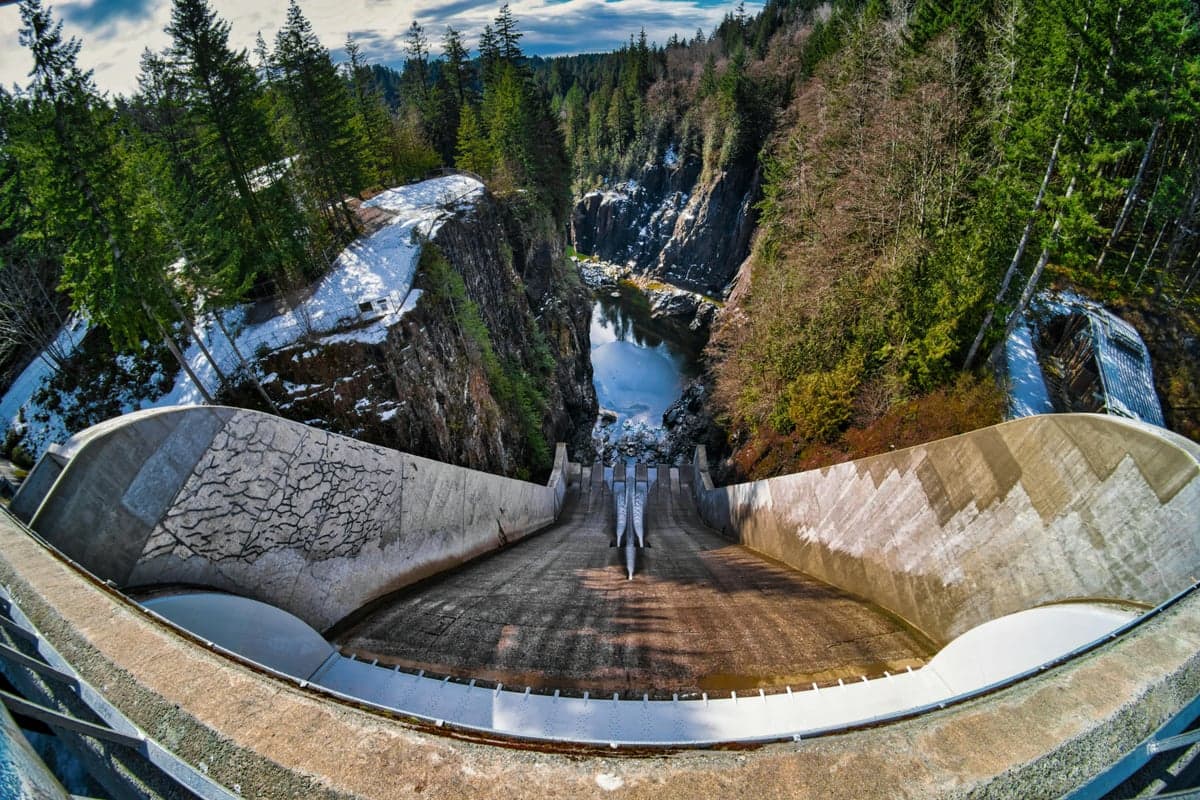
Yellowtail Dam and Bighorn Lake in winter. The dam controls flows that keep the tailwater fishable year-round.
River Sections
The fishable tailwater runs roughly 13 miles from the Afterbay Dam to Bighorn Fishing Access Site (FAS), with an additional lower stretch down to Mallards Landing. Public access is limited to a handful of designated sites, so knowing the sections matters.
Afterbay Dam to Three Mile Access (3 miles)
This is wade fishing paradise. Fine gravel substrate and manageable flows make the first three miles below the dam the most accessible walk-and-wade water on the entire river. Classic spots like the "Breakfast Hole," "Hot Dog Run," and "Red Cliffs" hold consistent fish populations. The cold, oxygen-rich water right below the dam concentrates trout, and you can reach productive water within minutes of the parking lot.
Floating this short section is also popular and gives better access to the prime seams along both banks.
Three Mile to Bighorn FAS (10 miles)
The heart of the fishery. This ten-mile float passes through the most productive water on the river, with braided channels, long riffles, undercut banks, and mid-river gravel bars holding feeding trout. This section is best accessed by drift boat or raft, as shoreline access between the two launch points is limited.
Most guided trips focus on this stretch, and for good reason. The variety of water types means you can nymph deep runs in the morning, switch to dry flies when a hatch comes off, and pound banks with streamers on cloudy afternoons. Pack a lunch and plenty of water. There's nowhere to stop on this float, and on a hot July day, the ten miles feel longer than you'd expect.
Bighorn FAS to Mallards Landing (13+ miles)
Below Bighorn FAS, the river enters motorized water. Jet boats are allowed on this lower section, which changes the character considerably. Fish numbers decrease as you move downstream, and water quality gradually shifts as the river picks up agricultural input. Most fly anglers focus on the upper 13 miles, but this stretch can produce solid fishing with less pressure if you don't mind the occasional motor passing through.
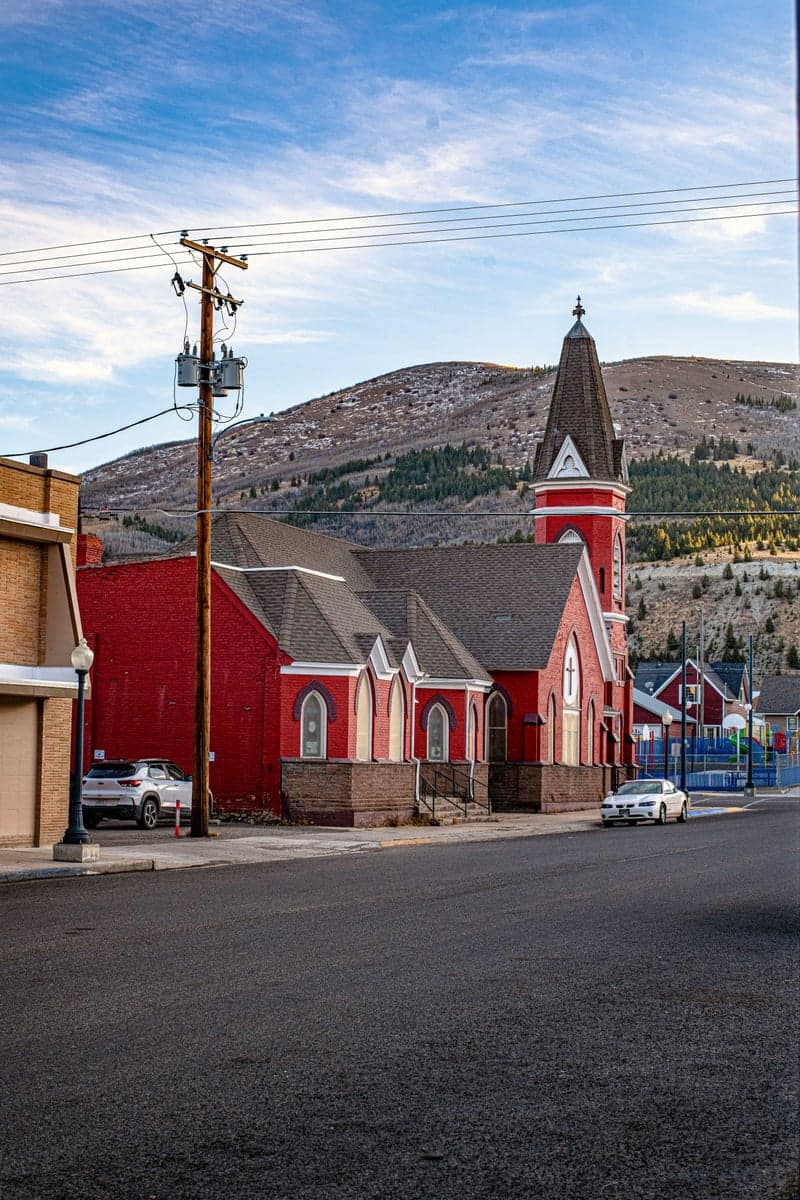
Fort Smith, Montana: a small community built around the Bighorn River fishery, with fly shops, lodges, and not much else
Flow Guide
Dam releases from the Afterbay control everything on this river. The Bureau of Reclamation manages releases to balance irrigation demands, recreation on Bighorn Lake, and downstream fishery health. Montana FWP has advocated for base flows of 2,500-3,500 CFS with periodic flushing flows of 6,000-8,000 CFS to clean spawning gravel and maintain channel health.
CFS Range
Conditions
Best For
Below 2,000
Low flows; excellent wading; side channels shallow
Walk-and-wade anglers; sight fishing to cruising trout
2,000-3,500
Ideal range; fish spread to flats and riffles
Dry fly fishing; float trips; best all-around conditions
3,500-5,000
Higher water; stronger current; good depth
Nymphing; streamer fishing from drift boats
Above 5,000
High water; limited wading; fast current
Experienced rowers only; flushing flows that benefit long-term habitat
Track current Bighorn River flows on RiverReports before making the drive. The ideal window for most anglers is 2,500-3,500 CFS, which provides enough depth to hold fish in their feeding lanes while keeping wading feasible in the upper section.
Hatches and Fly Patterns
The Bighorn's hatch calendar rivals any tailwater in the country. Stable flows and rich nutrient loads produce dense, predictable insect emergences from spring through fall. Hatch information sourced from Montana Angler, Bighorn Fly & Tackle, and local guide reports.
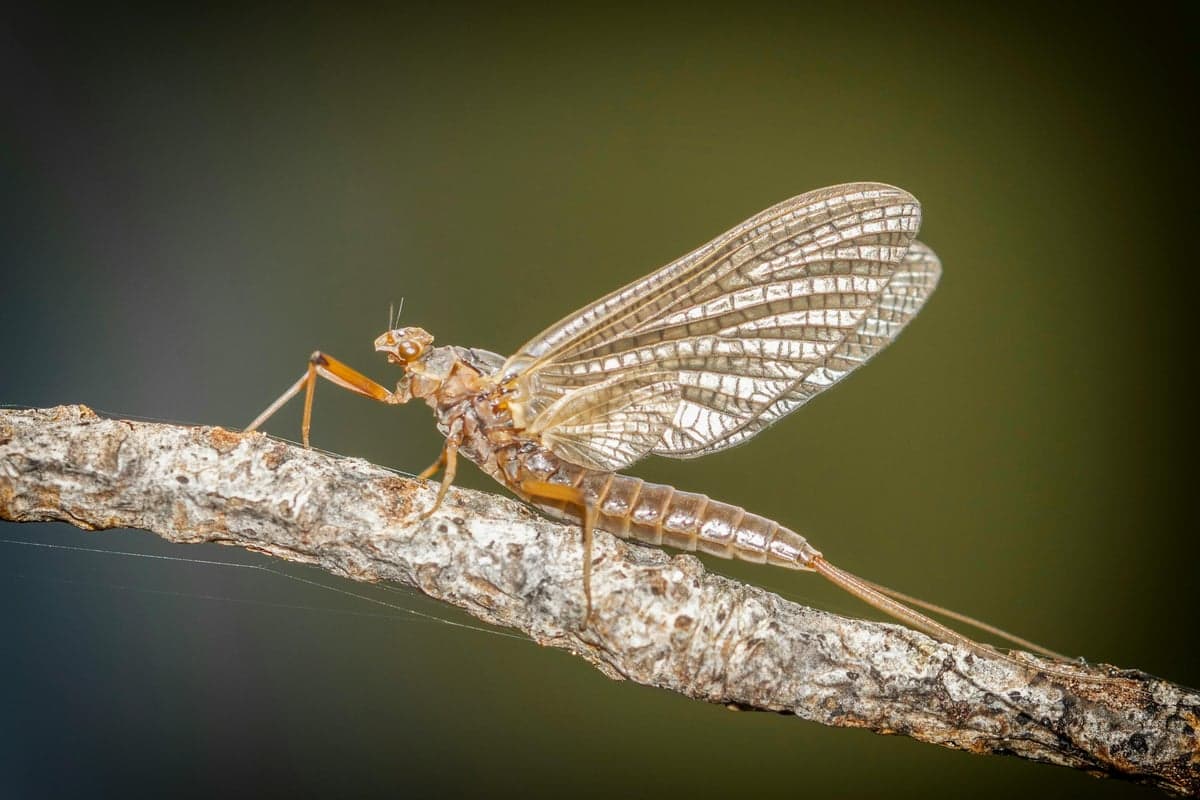
Mayflies are the backbone of the Bighorn's legendary hatch calendar, with BWOs, PMDs, and Tricos all making strong appearances
March-April: Midges and Early BWOs
Most Montana rivers are unfishable in March. The Bighorn is not. While the Madison and Yellowstone are running brown with snowmelt, the tailwater below the dam stays clear and in the upper 30s. It's cold, no question, but the fish are eating.
Early spring is a nympher's game. The workhorse rig is a Ray Charles Sow Bug (#14-16) with a Zebra Midge (#18-22) dropper, fished deep and slow through the softer runs. By late March, Blue-Winged Olives start showing on overcast days. BWOs on the Bighorn run larger in spring than on most tailwaters (sizes 14-16), and on a drizzly afternoon, you can find risers scattered across every flat. Carry RS2s (#16-20), Griffith's Gnats (#18-22), and BWO Parachutes (#14-18) to cover the hatch. Don't forget a Pink Scud (#14-16) for the subsurface work.
May-June: PMDs and Caddis
The PMD hatch in late June is when the Bighorn earns its reputation as a dry fly river. Pale Morning Duns start trickling off around mid-June and build through July, hatching in the slower flats and eddies where trout line up in feeding lanes. On a good day, you'll see dozens of fish rising in a single run, each one locked onto a specific drift line. It's the kind of fishing that rewards accuracy over distance.
Most PMDs run sizes 14-18, with 16 being the money size. The catch: trout often ignore the healthy duns sitting on top and focus on cripples and emergers stuck in the surface film. A Split Case PMD (#16-18) or PMD Comparadun (#14-18) fished in the film will outperform a standard dry most days. Carry Elk Hair Caddis (#14-16), Rusty Spinners (#16), and Pheasant Tail Nymphs (#14-18) for the overlap with early caddis activity.
July-August: Tricos, Caddis, and Terrestrials
A typical July day on the Bighorn has three acts. Act one: you're on the water at dawn for the Trico spinner fall. Tiny mayflies (#18-22) mate, drop to the surface, and die in clouds so thick they look like fog. Every trout in the river rises. It's technical fishing (12-14 foot leaders, 5X-6X tippet, downstream presentations to individual fish), and it's addictive. CDC Tricos (#20) and Trico Spinners (#18-22) are your weapons.
Act two starts mid-morning when the Trico fall ends. Switch to terrestrials. A Chubby Chernobyl (#10-12) or Parachute Ant (#14-18) tight to the banks produces aggressive strikes from fish that just spent two hours sipping tiny bugs.
Act three is the evening caddis. Tan caddis (#16-18) come off as the light fades, and a Poodle Sniffer or Elk Hair Caddis skated through the riffles can make a long day even longer in the best way.
September-October: Fall BWOs and Streamer Season
Fall BWOs fish differently than spring BWOs. The bugs are smaller (sizes 18-22 versus the spring's 14-16), and the trout are pickier after a summer of heavy hatch activity. You need finer tippets and better drifts. But the tradeoff is that you're sharing the river with far fewer anglers, and the fish you hook tend to be bigger. BWO Parachutes (#18-22), Black Caddis (#18-20), and Zebra Midges (#20-22) cover the surface and subsurface game.
The real fall opportunity is streamers. Brown trout turn aggressive ahead of their November spawn, and cloudy days with rising water can trigger some of the best streamer fishing of the year. Olive and black Woolly Buggers (#4-8) and articulated patterns (#2-6) stripped through the deeper runs produce the kind of violent strikes that keep you casting through cold afternoons. If you've been meaning to make your first trip, fall is the move.
November-February: Winter Nymphing
Winter fishing is subsurface work. Midges hatch daily, and sow bugs and scuds remain the staple diet. Water temps sit in the upper 30s, so fish move slowly but eat steadily in the deeper runs.
Key flies:
Zebra Midge #18-22
San Juan Worm #10-12
Ray Charles Sow Bug #14-16
Pink Scud #14-16
Midge Cluster #18-20
Tip: Best window is 11am-3pm when water temps peak. Fish deep, fish slow, and target the softer runs where trout conserve energy.
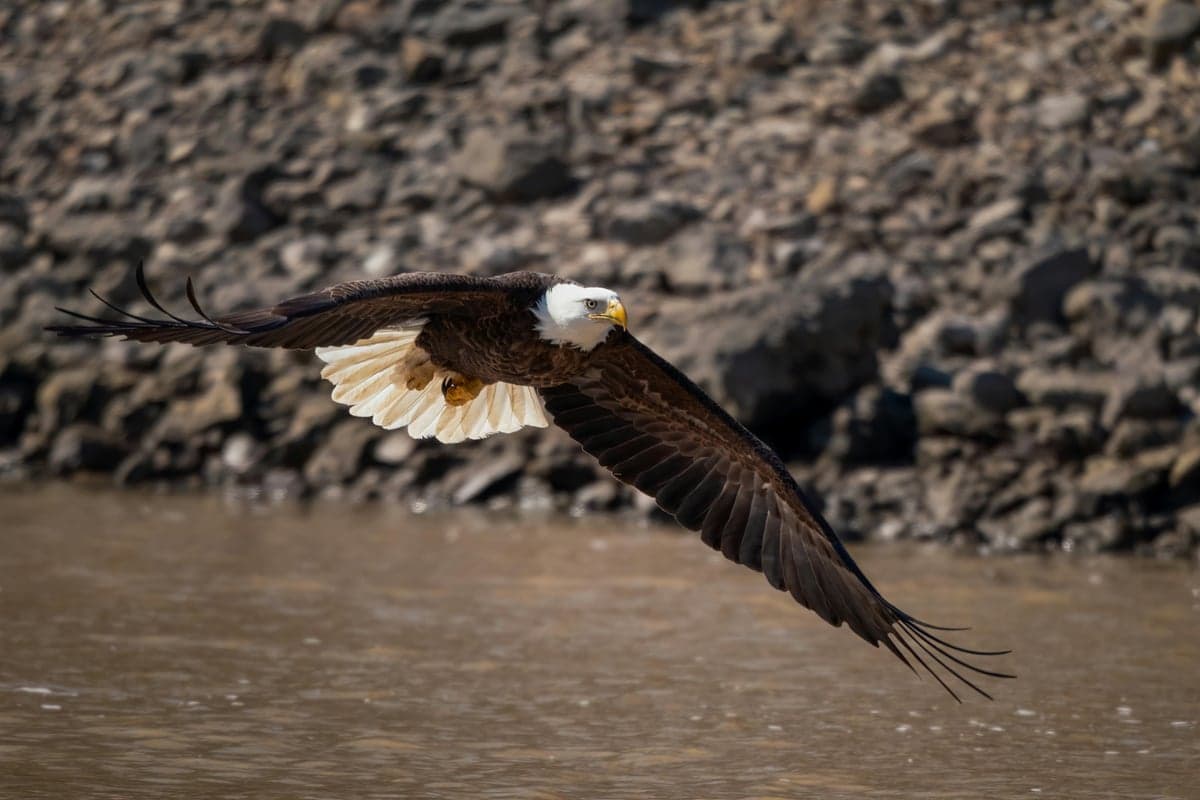
Bald eagles patrol the Bighorn corridor year-round, one of many wildlife encounters between casts
Access and Logistics
Getting There
Fort Smith, Montana is the gateway to the Bighorn River, and it's remote. Plan accordingly.
From Billings: ~60 miles south via Highway 313 (about 1.5 hours)
Nearest commercial airport: Billings Logan International (BIL)
From Bozeman: ~250 miles east (4+ hours)
From Sheridan, WY: ~100 miles north (2 hours)
Fort Smith has a population around 100 people. There are no grocery stores, no gas stations with reliable hours, and limited cell service. Stock up in Billings or Hardin before making the final drive.
Float vs. Wade Fishing
Floating is the standard way to fish the Bighorn. Drift boats cover the most water and access fish that wade anglers can't reach. The 3-mile Afterbay to Three Mile float takes 3-4 hours of fishing. The full 13-mile float to Bighorn FAS is a long day.
Float
Distance
Approximate Time
Afterbay to Three Mile
3 miles
3-4 hours fishing
Three Mile to Bighorn FAS
10 miles
Full day (7-8 hours)
Afterbay to Bighorn FAS
13 miles
Very long day
Bighorn FAS to Mallards Landing
13+ miles
Full day (motorized water)
Wading is productive but limited. The first three miles below the Afterbay Dam offer the best wade access, with fine gravel bottom and gradual depth changes. Beyond Three Mile, shoreline access is extremely limited because the river flows through the Crow Indian Reservation. You can wade from the three FAS sites (Afterbay, Three Mile, Bighorn), but you cannot walk across reservation land to access the river at unauthorized points.
Wading safety: Felt-soled boots or studded rubber soles are essential. The Bighorn's bottom can be slick with algae, and sections that look shin-deep can be over ten feet. Use a wading staff and stay conservative.
Fly Shops and Outfitters
Fort Smith exists because of this fishery. Several quality operations serve visiting anglers:
Bighorn Angler (Fort Smith): Full-service fly shop, guided trips, lodging, and vacation packages. Over 30 years on the river.
Guided float trips typically run $550-700 per day for 1-2 anglers, including rods, flies, and lunch. Book by March for peak summer dates (July-August). The Fort Smith shops are also your best source for current conditions. Call ahead the week before your trip. The folks at these shops fish the river every day and will tell you exactly what's working.
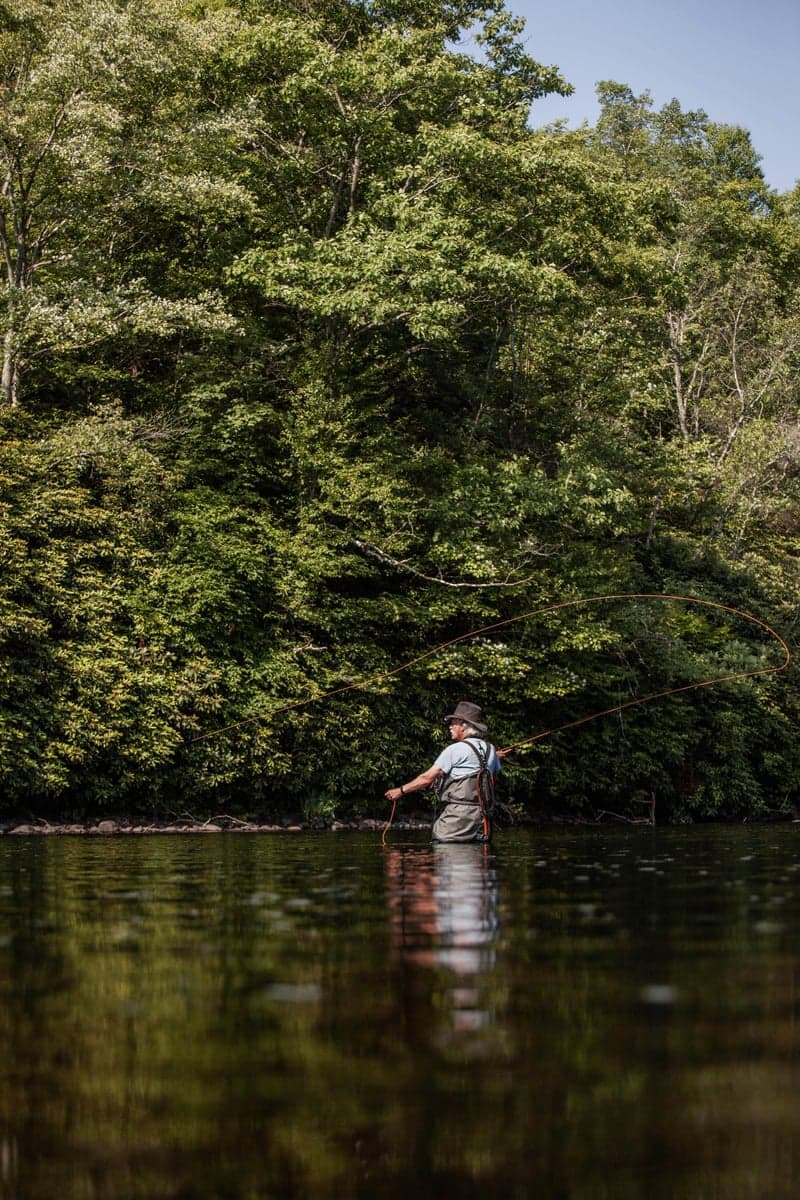
Wading the upper Bighorn below the Afterbay Dam, where fine gravel bottom and steady flows make for comfortable access
Crow Reservation and Regulations
The Bighorn River flows through the Crow Indian Reservation. A few important things to know:
Fishing license: A valid Montana fishing license is all you need to fish the Bighorn River itself. No tribal permit is required for fishing within the high-water marks.
Land access: Setting foot on reservation land above the high-water mark without a tribal recreation permit is not allowed. This means you can wade and float the river freely, but you cannot walk across reservation land to access the river at unauthorized points. Stick to the designated public access sites (Afterbay, Three Mile, Bighorn FAS). Trespassing on Crow Tribal land results in citations and fines.
Montana regulations on the river:
Artificial lures only (cable to Bighorn FAS)
Combined trout limit: 3 daily, only 1 over 18 inches
Catch and release is strongly encouraged by local outfitters and conservation groups
Nonresident license costs (2026): Season license $117.50; 5-day license $73.50. Purchase through the Montana FWP licensing system before arriving in Fort Smith.
Tips for First-Time Visitors
Stock up before Fort Smith. Billings or Hardin are your last stops for groceries, gas, and supplies. Fort Smith has limited services.
Book a guide for day one. Even experienced anglers benefit from a guided float to learn the river layout, access points, and current hatch activity.
Bring a range of leader sizes. Trico and BWO fishing demands 5X-6X, while streamer and nymph work calls for 3X-4X. The Bighorn rewards preparation.
Check flows before you go. Monitor conditions on RiverReports. The 2,500-3,500 CFS range is the sweet spot for most techniques.
Plan for weather. Southern Montana can swing from 90 degrees in July to unexpected cold fronts any month. Wind is common. Layer up and bring rain gear.
Respect the reservation. Stay within the high-water marks and use designated access points only. The Crow Nation has been generous in allowing public fishing access on the river.
What's on the menu
Everything this river feeds, by month. Filter by bug, category, or fly size, and switch the axis to see what comes off at what time of day. Pulled from our western hatch and forage guide.
Taller and darker means heavier emergence. Hover any row for how long it lasts, how much the timing moves, and what to tie on.
Window vs shapeTwo different things are stacked on each row. The window is specific to these rivers, taken from fly shop and outfitter hatch charts, guide reports, and our own river guides. The shape of the curve is the insect's typical emergence profile from published sources, drawn across that window. It models a normal year, not this year. Dashed bars mean we have timing but no sourced emergence profile, so no curve is drawn.The three categoriesHatches are aquatic insect emergences. Terrestrials are land insects that end up in the water: hoppers, ants, beetles, spruce moths, cicadas. Forage is everything else on the menu, from mysis and sowbugs to crayfish, eggs, sculpins, and mice. Forage is available whether or not anything is emerging, so it sits outside the “how much is on” totals, which measure bug activity only.
Using RiverReports
Track real-time Bighorn River flows on RiverReports. The key gauge to watch is the Bighorn River below Yellowtail Afterbay Dam near St. Xavier, which shows dam releases that control conditions across the entire tailwater.
Compare current readings against the flow guide above to assess conditions before your trip. Flows between 2,500 and 3,500 CFS generally produce the best all-around fishing, while lower flows favor wading and sight fishing, and higher flows push fish to predictable holding lies for nymph and streamer anglers.
For anglers comparing Montana's best tailwaters, see our guide to the Missouri River for how the Bighorn stacks up.